Selected Topic -
Article (2)
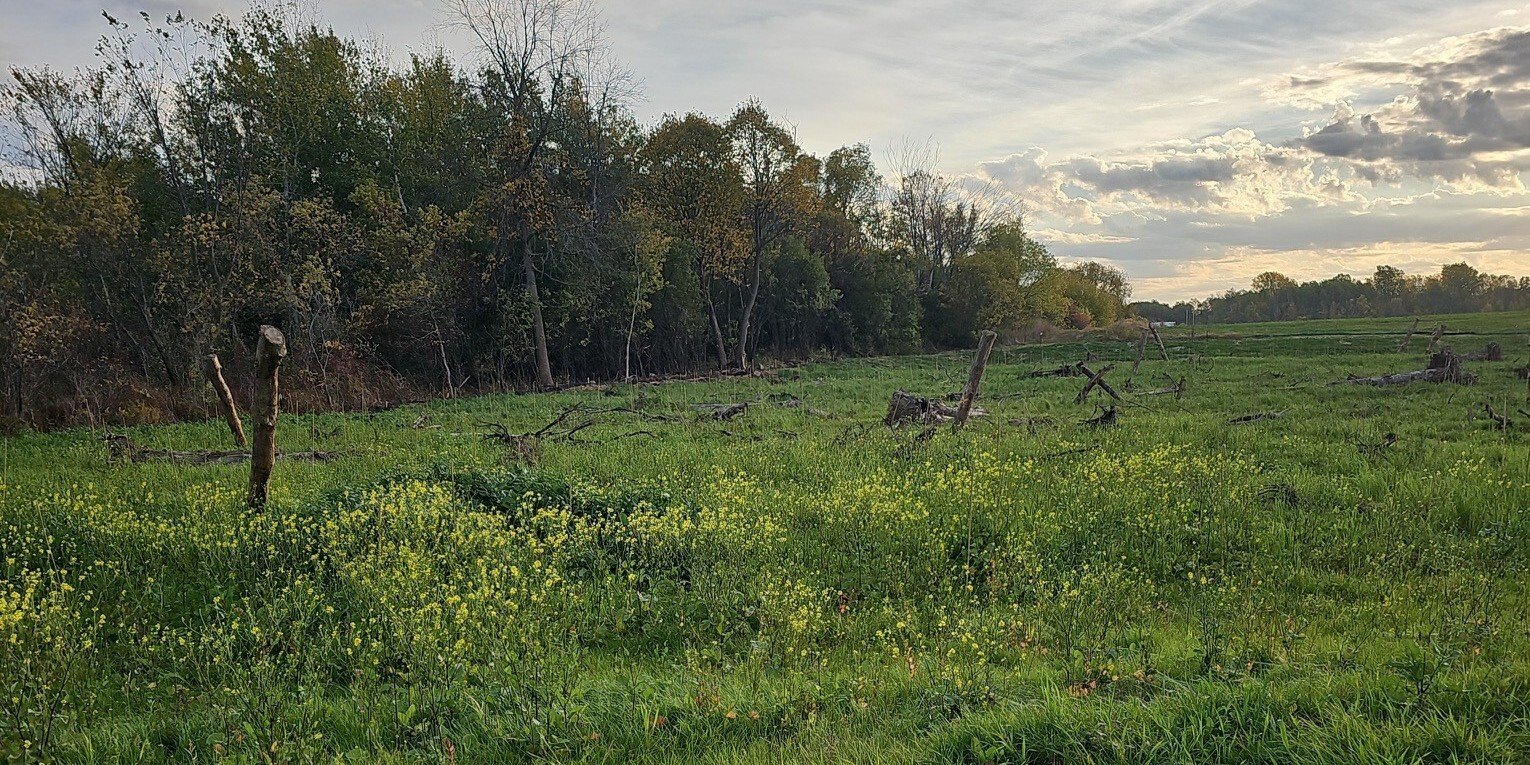
What is landscape-scale restoration?
Landscape-scale restoration treats whole watersheds and ecosystems as one connected system. Learn how this approach deli …
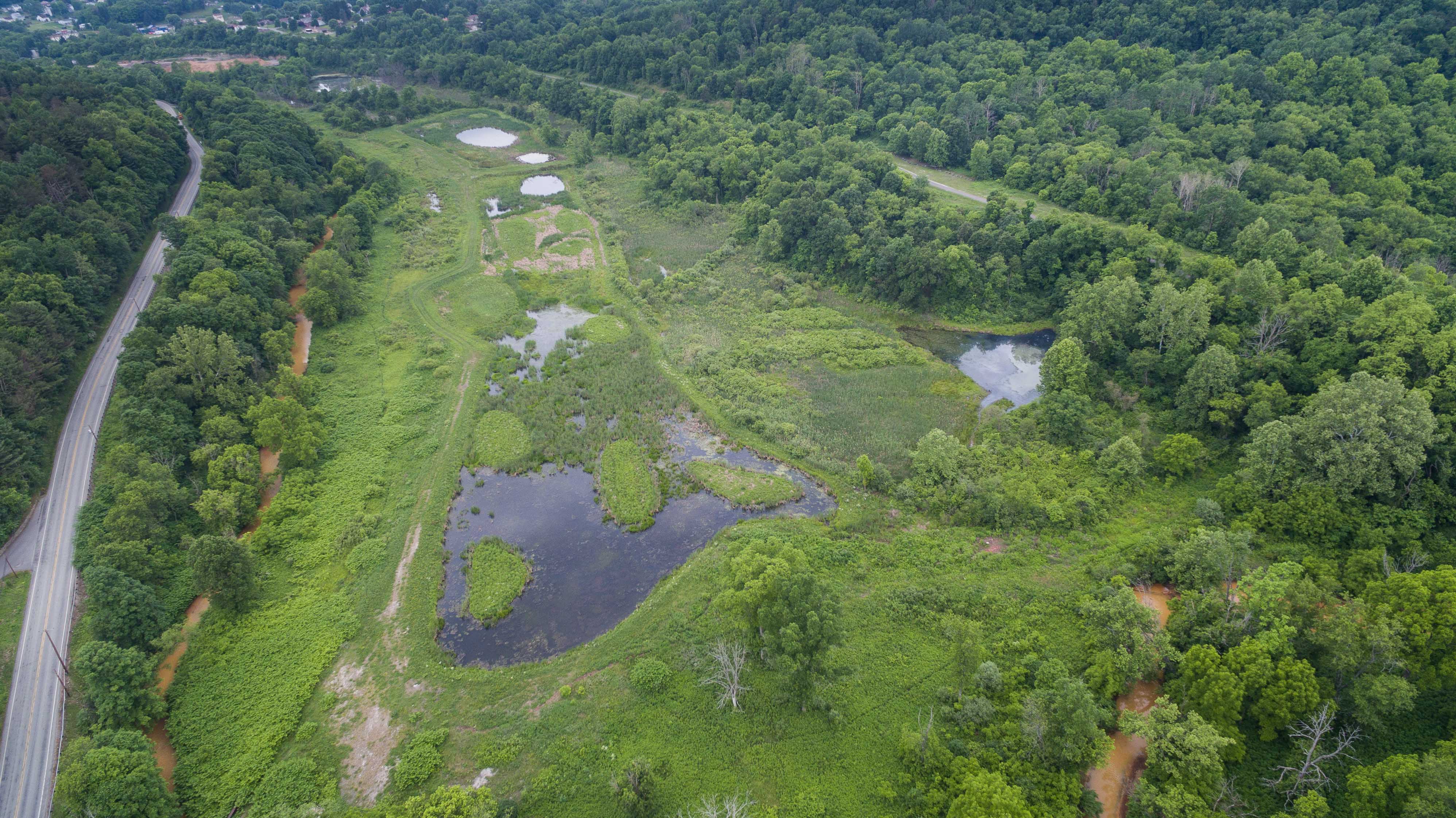
Dam removal as compensatory mitigation: How it works and what it takes
Dam removal can now generate stream mitigation credits. That is the short answer to a question more developers should be …
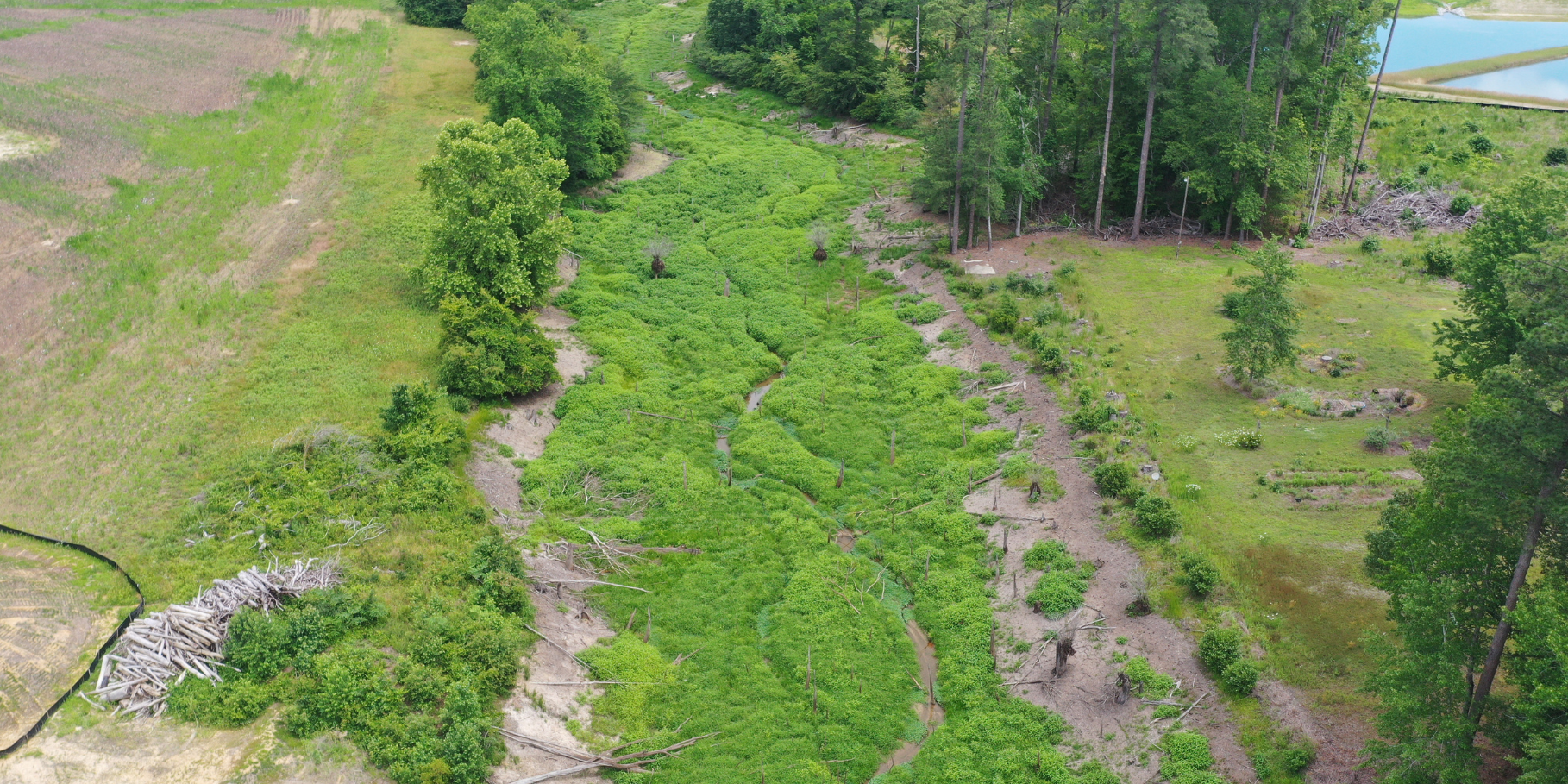
eDNA and macroinvertebrate monitoring: What RES found at its Georgia mitigation banks
RES mitigation banks in Georgia are supporting more macroinvertebrate diversity than traditional net sampling was captur …

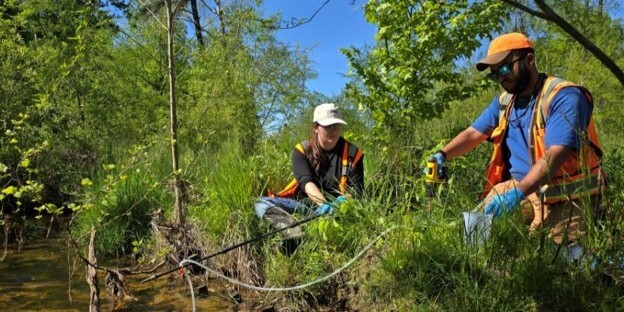
Mine reclamation as a Nature-based Asset
What changes when ecological restoration is the goal — not just regulatory closure? Most operators approach reclamation …

_2_1.jpg)
Why do some wetland restoration sites fail? The role of soil health and mycorrhizal fungi
Erin Brennan is a Restoration Ecologist at RES. In 2024, she received an Innovation Leadership Program (ILP) grant to st …

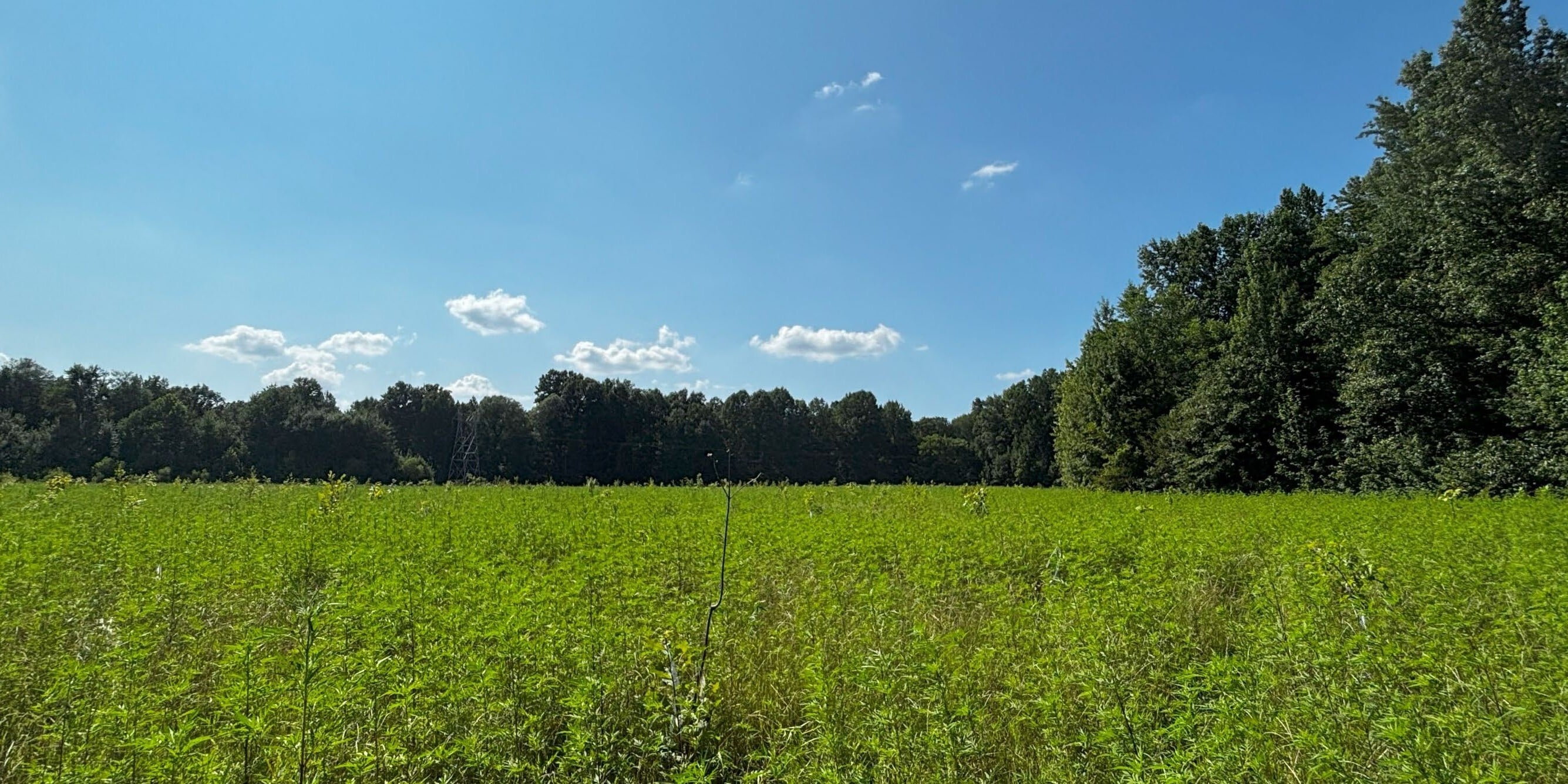
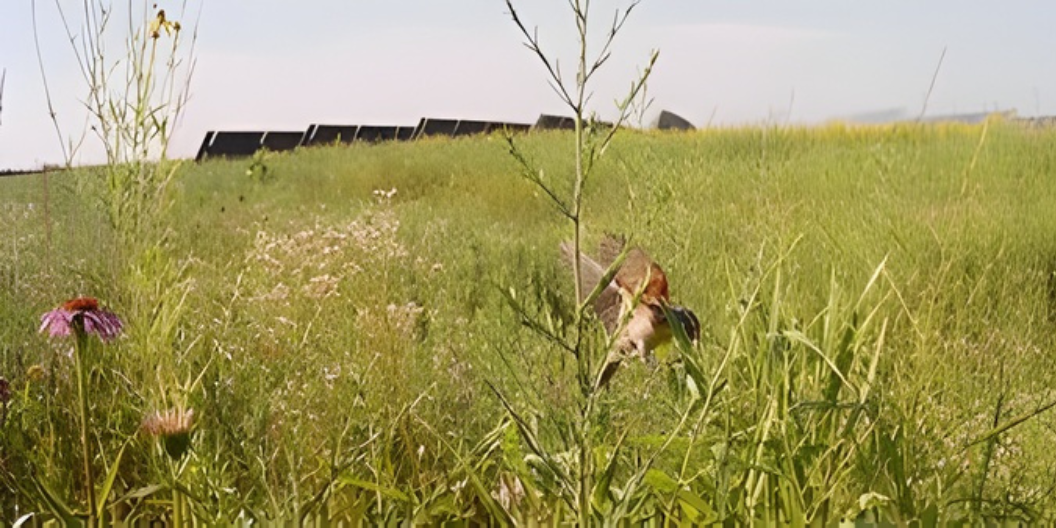
What 400,000 trail camera images taught us about solar development and grassland birds
Solar development and wildlife conservation are routinely framed as competing priorities. In some contexts, they are. Bu …
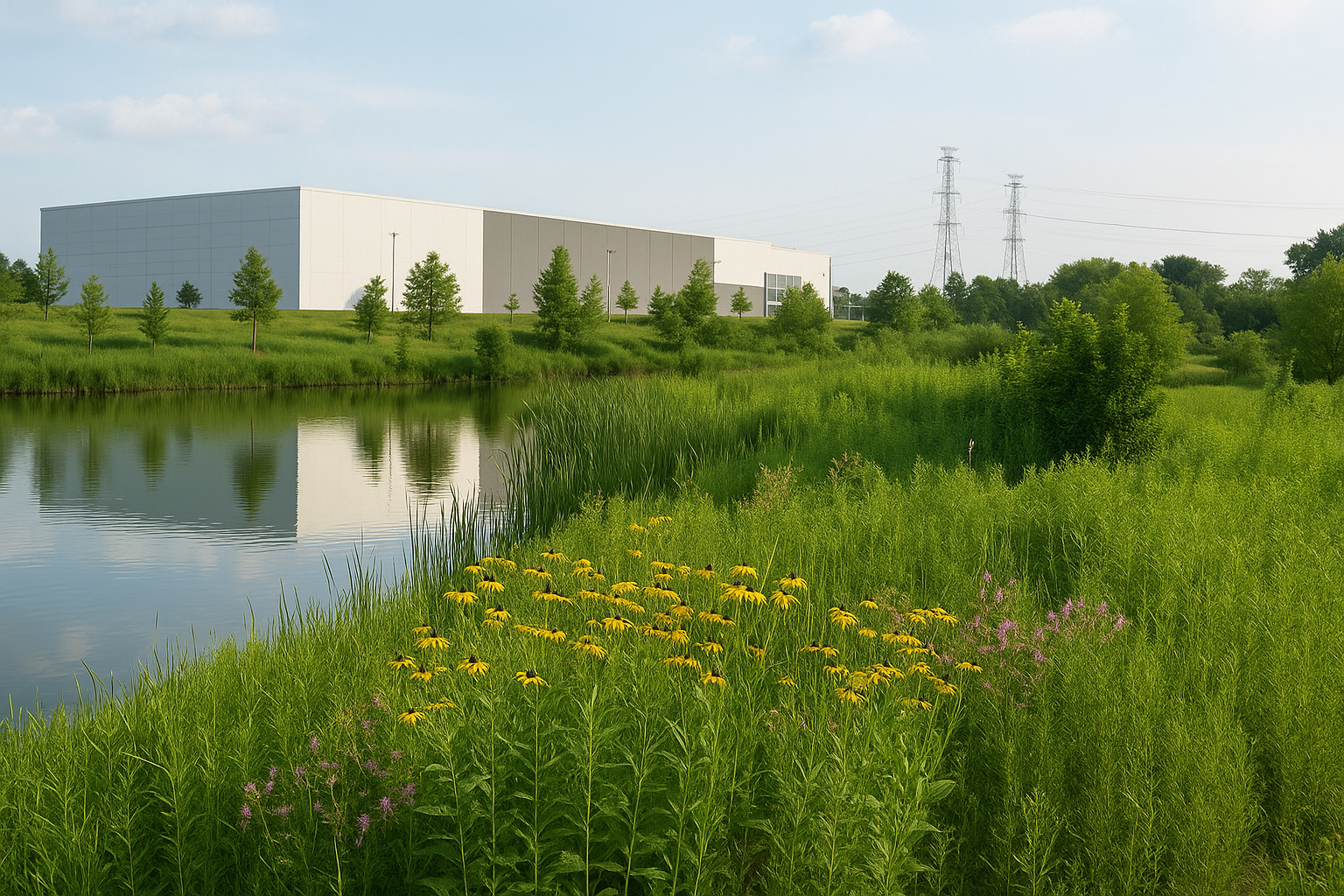
Why Nature-based Solutions are becoming essential for large-scale development
Nature-based Solutions are rapidly becoming essential for large-scale development. As projects grow in size, speed, and …
Three floodplain restoration projects highlight the power of collaboration under Pennsylvania’s clean water procurement framework
Follow the link to a Chesapeake Bay Program blog post, authored by Marisa Baldine, that covers three restoration project …
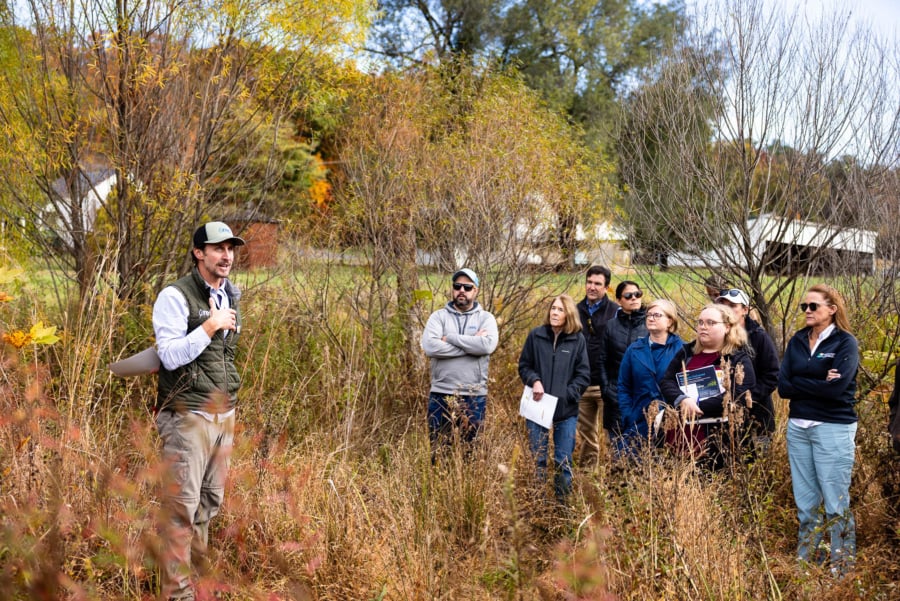
When wetland mitigation becomes a critical path solution
Wetland mitigation is a complex and highly regulated component of federal infrastructure delivery that must be carefully …