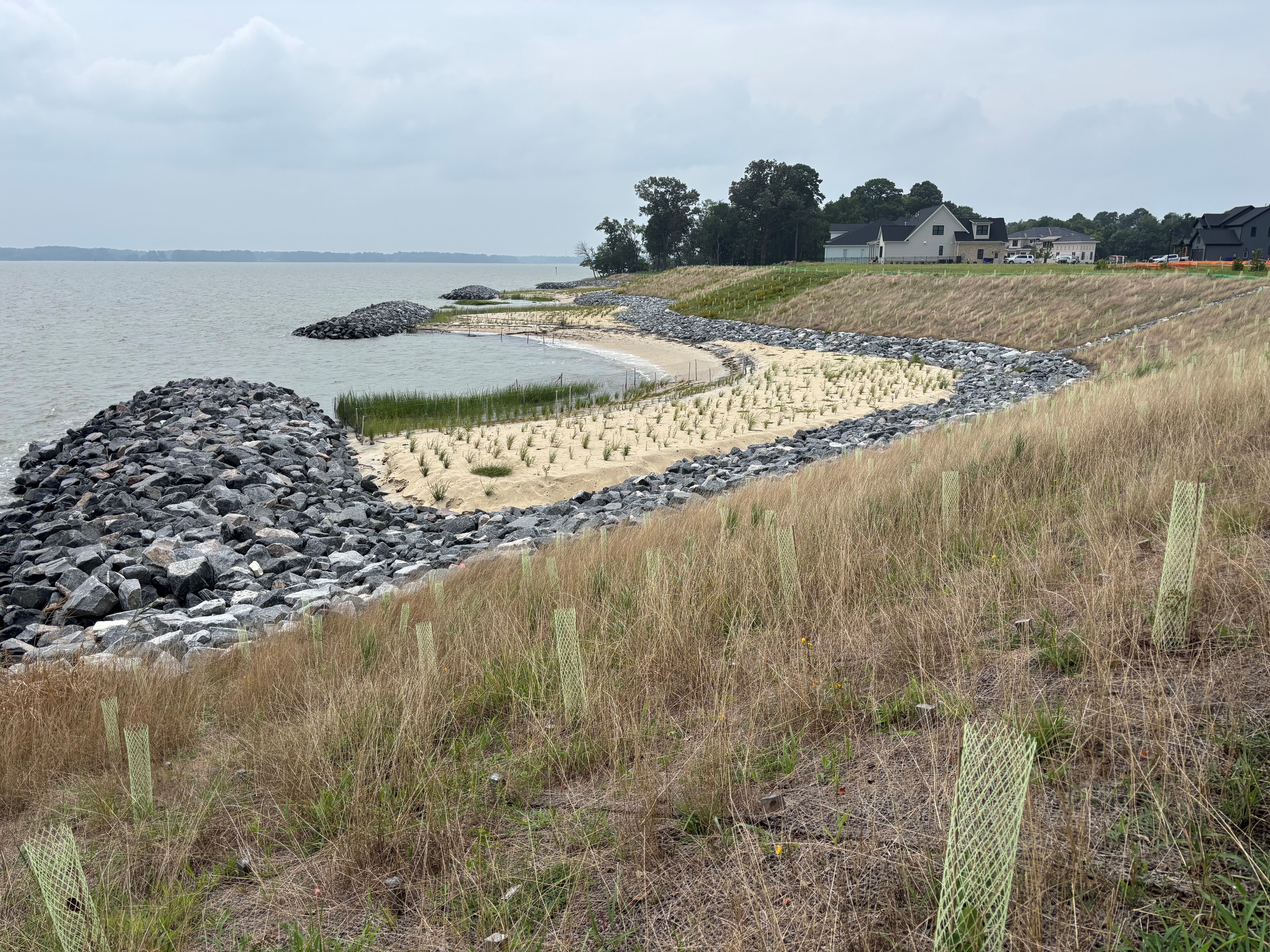

What changes when ecological restoration is the goal — not just regulatory closure?
Most operators approach reclamation the same way they approach any compliance obligation: do what the permit requires, close it out, and move on. Grade the slopes. Establish vegetative cover. Meet the revegetation standard. Release the bond.
There is nothing wrong with that approach. But in today's operating environment, it leaves significant environmental, social, and economic value unrealized.
A reclaimed mine site that is also ecologically restored is fundamentally different from a site designed solely to meet permit requirements. A reclaimed site delivers measurable improvements in watershed function, water quality, biodiversity, wildlife habitat, and long-term ecosystem resilience. It can create opportunities for generating mitigation credits, reduce future maintenance liabilities, improve relationships with regulators and local communities, and demonstrate compliance with permit requirements and a commitment to environmental stewardship.
Increasingly, investors, regulators, customers, and communities expect mining companies to show meaningful progress toward environmental, social, and governance (ESG) objectives. Reclamation projects that restore streams, wetlands, native plant communities, and wildlife habitat provide visible, measurable outcomes that support sustainability reporting, biodiversity commitments, water stewardship initiatives, and broader corporate environmental goals.
Ecological restoration can also strengthen a company's social license to operate. Communities are far more likely to support operators that leave behind functioning ecosystems rather than simply stabilized landscapes. Regulators increasingly recognize the difference as well, particularly when restoration outcomes demonstrate long-term environmental benefits beyond minimum compliance standards.
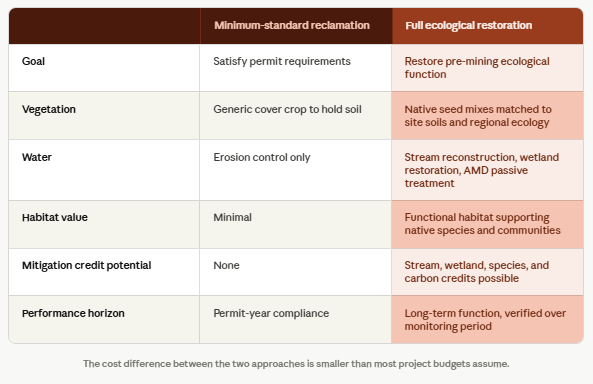
The cost difference between minimum-standard reclamation and restoration-focused reclamation is often smaller than operators expect. The difference in long-term value can be substantial. A well-designed restoration project not only satisfies regulatory obligations but can reduce future liabilities, create environmental assets, support ESG commitments, enhance corporate reputation, and leave a positive legacy on the landscape long after mining operations have ended.
For operators looking beyond bond release and toward long-term environmental performance, ecological restoration transforms reclamation from a compliance requirement into a strategic business opportunity.
Integrating ecology in mine reclamation
Mine reclamation and ecological restoration are related but not the same. Understanding the difference is where real opportunity lies.
At a minimum, reclamation stabilizes the land. Waste rock is consolidated or capped. Slopes are graded to control erosion. Vegetative cover is established to hold soil and meet permit requirements. This is the version of reclamation that satisfies the rule and stops.
Ecological restoration starts from the same place but asks a different question. Instead of “what does the regulation require?” the question becomes “what did this landscape support before mining, and what can it support again?” That shift in framing changes everything that gets designed and built.
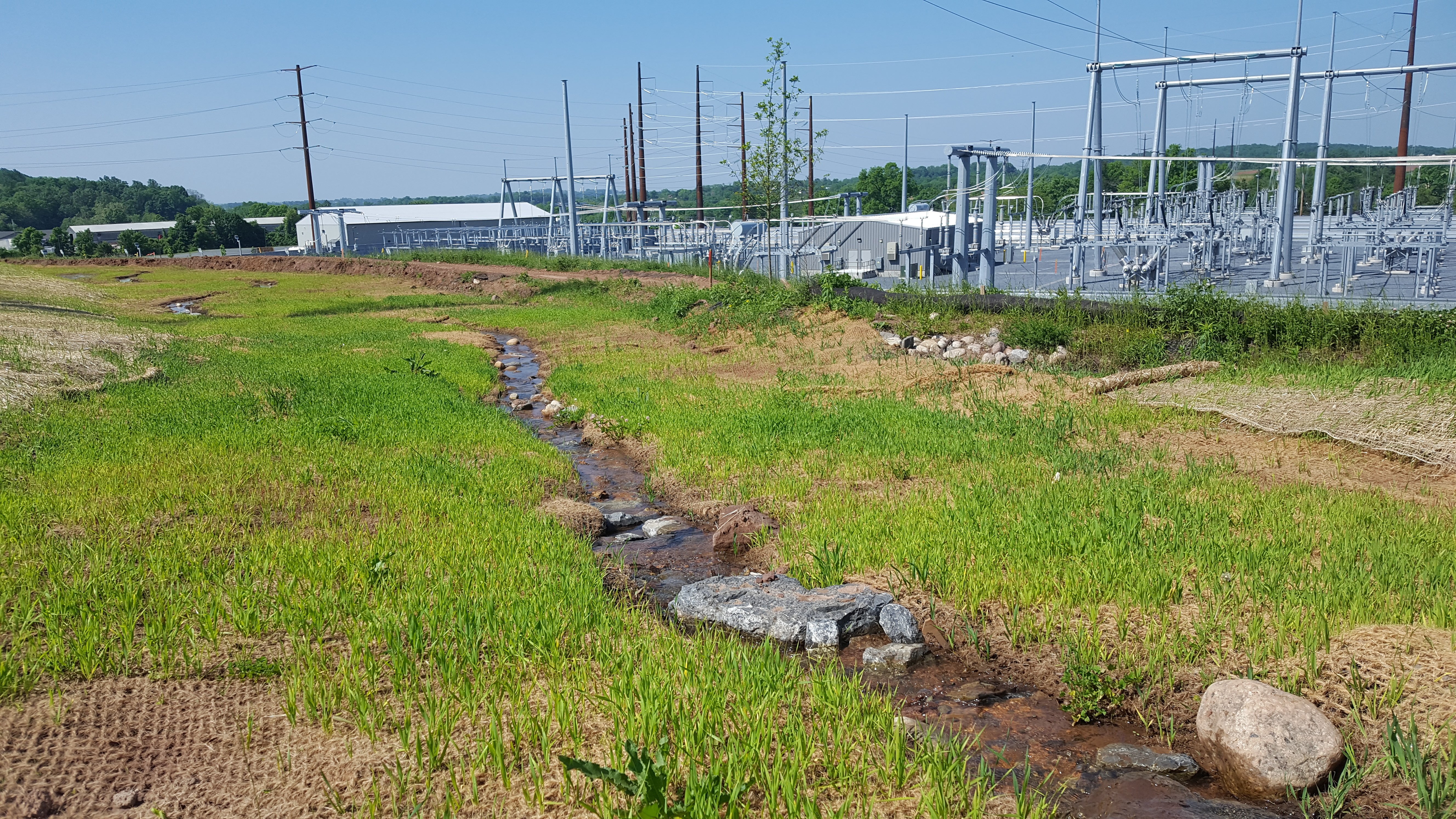
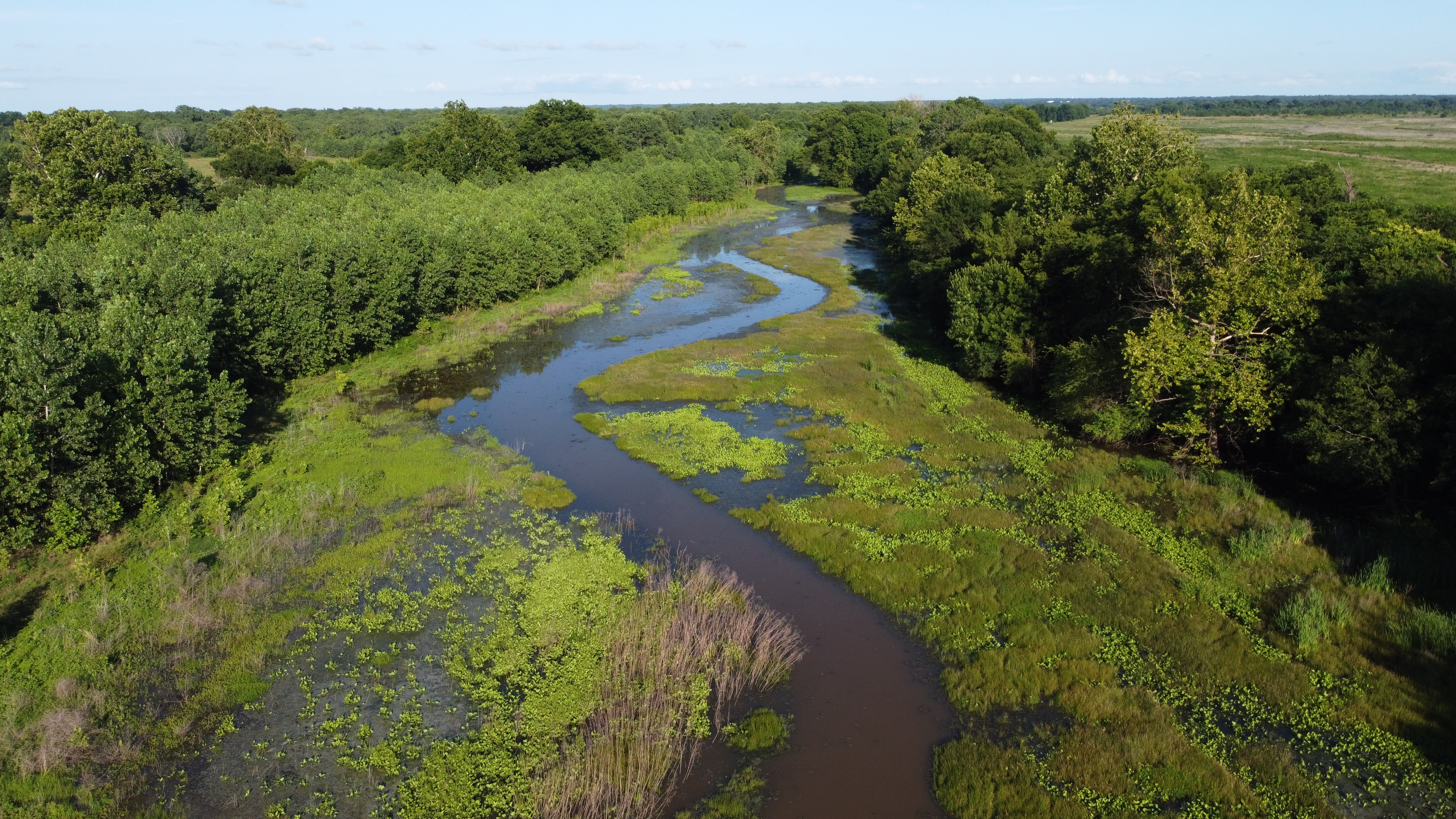
Stream channels that were rerouted, buried, or clogged by mining debris can be reconstructed to natural geometry, restoring flow, sediment transport, and aquatic habitat. In Fayette County, West Virginia, RES is currently working under a $20 million design-build contract with the West Virginia Department of Environmental Protection on the Meadow Fork Clogged Stream Project — restoring more than 16,600 linear feet of stream degraded by decades of mining activity, closing 16 mine portals, reclaiming six hazardous water bodies, and remediating a coal refuse site deposited directly in the channel. It is a useful illustration of what the scope of real reclamation-as-restoration looks like: not grading and seeding but rebuilding a watershed.
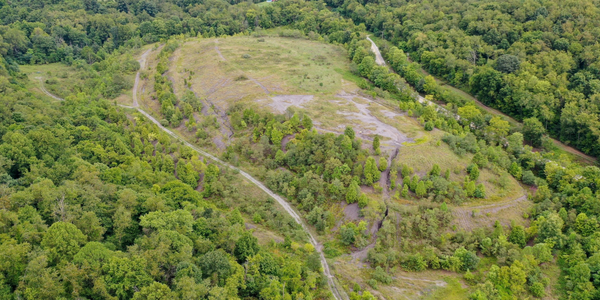
Meadow Fork watershed, Fayette County, West Virginia — currently under a $20M design-build reclamation contract with WVDEP.
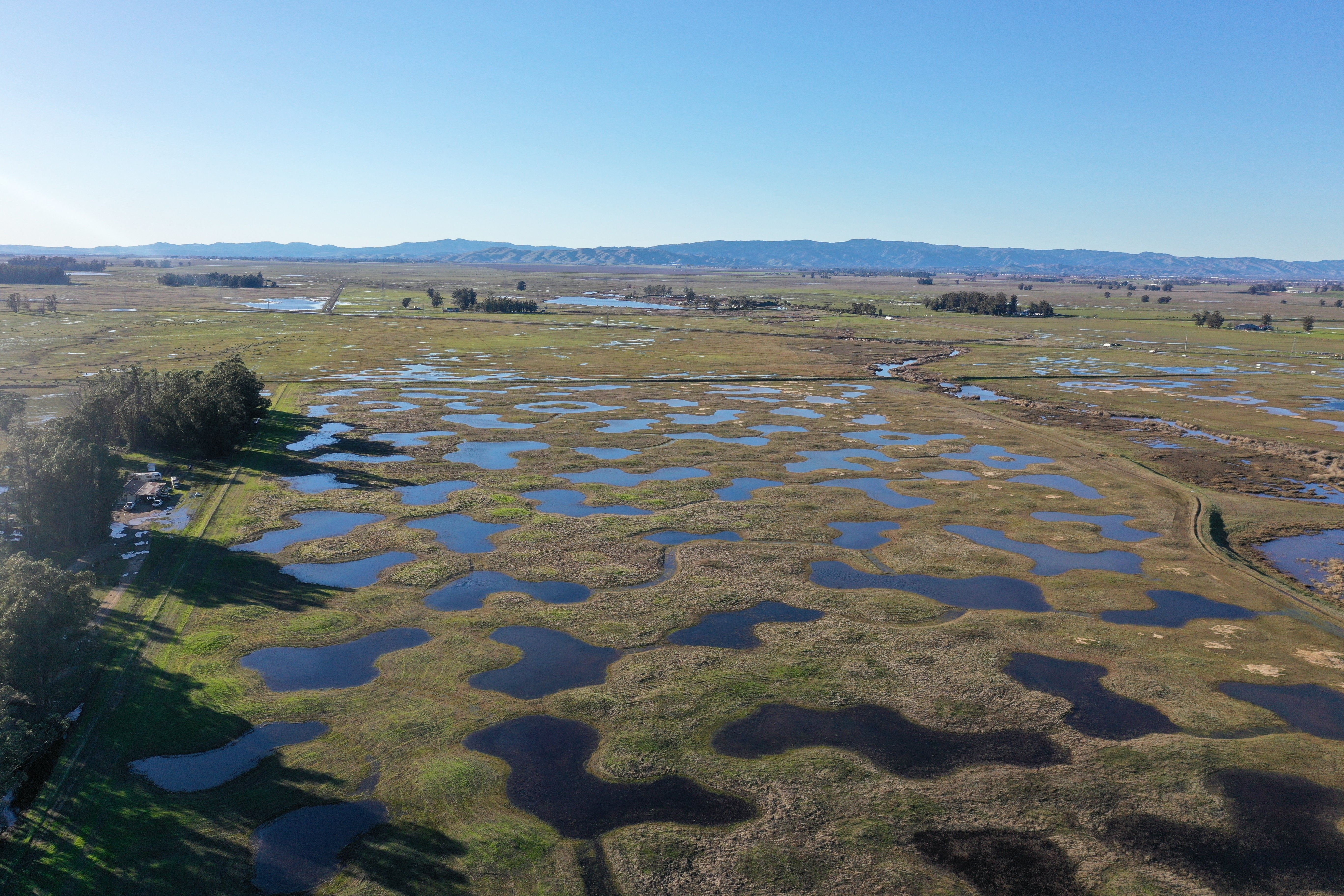
Wetlands that were drained or filled can be restored to function again by filtering runoff, storing water, and supporting amphibians and migratory waterfowl. Native plant communities, established with seed mixes tailored to site soils and regional ecology, provide habitat structure that generic cover crops cannot.
Acid mine drainage, one of the most persistent water quality legacies of historic mining, can be addressed through passive treatment systems that work with natural hydrology rather than requiring perpetual mechanical operation. These systems are more durable, less expensive to maintain over time, and more ecologically integrated than engineered alternatives.
The strongest reclaimed mine sites address water first, restore natural ecological processes, use vegetation that is native and ecologically appropriate, and are designed for long-term ecosystem function rather than permit-year performance.
How can restored mine land generate mitigation credits?
Here is where the economics of ecological restoration shift in ways most operators haven’t fully considered.
Mitigation credit programs, under Section 404 of the Clean Water Act, state-level programs, and voluntary carbon and biodiversity markets, compensate landowners and project developers for creating, restoring, or protecting ecological functions. Former mine sites, which often sit on degraded stream systems, disturbed wetland complexes, and compromised upland habitats, can be substantial credit generators once restored.
A mine site with a reconstructed stream reach can generate stream mitigation credits. Restored wetland acreage produces wetland mitigation credits. Native upland habitat supports species-specific credits under state and federal programs. Carbon sequestration from restored vegetation and improved soil health can generate carbon offsets.
These credits are not a separate project. They are a byproduct of reclamation work conducted to a higher ecological standard. In some cases, the credit value offsets a meaningful portion of the reclamation cost. On larger sites with significant aquatic resources, the credit revenue can be substantial.
The critical requirement is documented, verified ecological uplift. The work must be designed, implemented, and monitored to a standard that a third-party verifier and a regulatory agency will accept, which is why the monitoring and performance documentation phase matters as much as construction.
In Cherokee County, Kansas, part of the historic Tri-State Mining District, one of the most extensively mine-impacted landscapes in the country, RES is providing ecological restoration planning, Professional Wetland Scientist oversight, and post-construction monitoring for the Cherokee County Superfund Site, Operable Unit 4, Phase 2, under EPA authority. Following mine waste removal and site regrading, RES developed the Wetland Restoration Plan for emergent palustrine wetlands along Tar Creek and its tributaries, including site-specific native seed mixes, planting protocols, and restoration performance criteria. The project is currently in the final planning phase, with grading plans being updated to incorporate landowner feedback and finalize restoration design elements. Following completion of the final design, RES will oversee implementation and conduct post-construction monitoring to document restoration success and support long-term regulatory compliance. It is a precise example of what verified ecological uplift looks like in practice.
What RES delivers on mine reclamation projects
RES brings together the two capabilities required for mine reclamation-as-restoration: proven reclamation execution and deep ecological restoration expertise.
On the reclamation side: soil and waste rock stabilization, mine portal closure, acid mine drainage treatment, erosion control, and the compliance documentation required by agencies for bond release.
On the restoration side: stream and wetland reconstruction; native plant community establishment using site-specific seed mixes; restoration of wildlife habitat and ecological connectivity; enhancement of biodiversity; and design for long-term ecosystem function and resilience rather than permit-year performance.
The design-build-maintain model means that RES is accountable across all three phases. That matters because bond release depends on documented success over time. And it matters because the ecological outcomes that generate mitigation credit value must be verified over a monitoring period, not just at project closeout.
The opportunity
Federal AML funding through 2036 is creating demand for mine reclamation capacity at a scale the industry hasn’t seen in decades. Active operators facing bond release requirements have strong incentives to move efficiently and demonstrate measurable outcomes. And communities surrounding mine sites, increasingly vocal, increasingly organized, expect visible, lasting results.
The sites that define what mine reclamation looks like for the next generation are being designed now. The difference between a site that meets permit requirements and one that becomes a genuine ecological and community asset largely comes down to how the work is scoped, designed, and delivered.
If you're evaluating reclamation work in your region, reach out to the RES reclamation team directly.