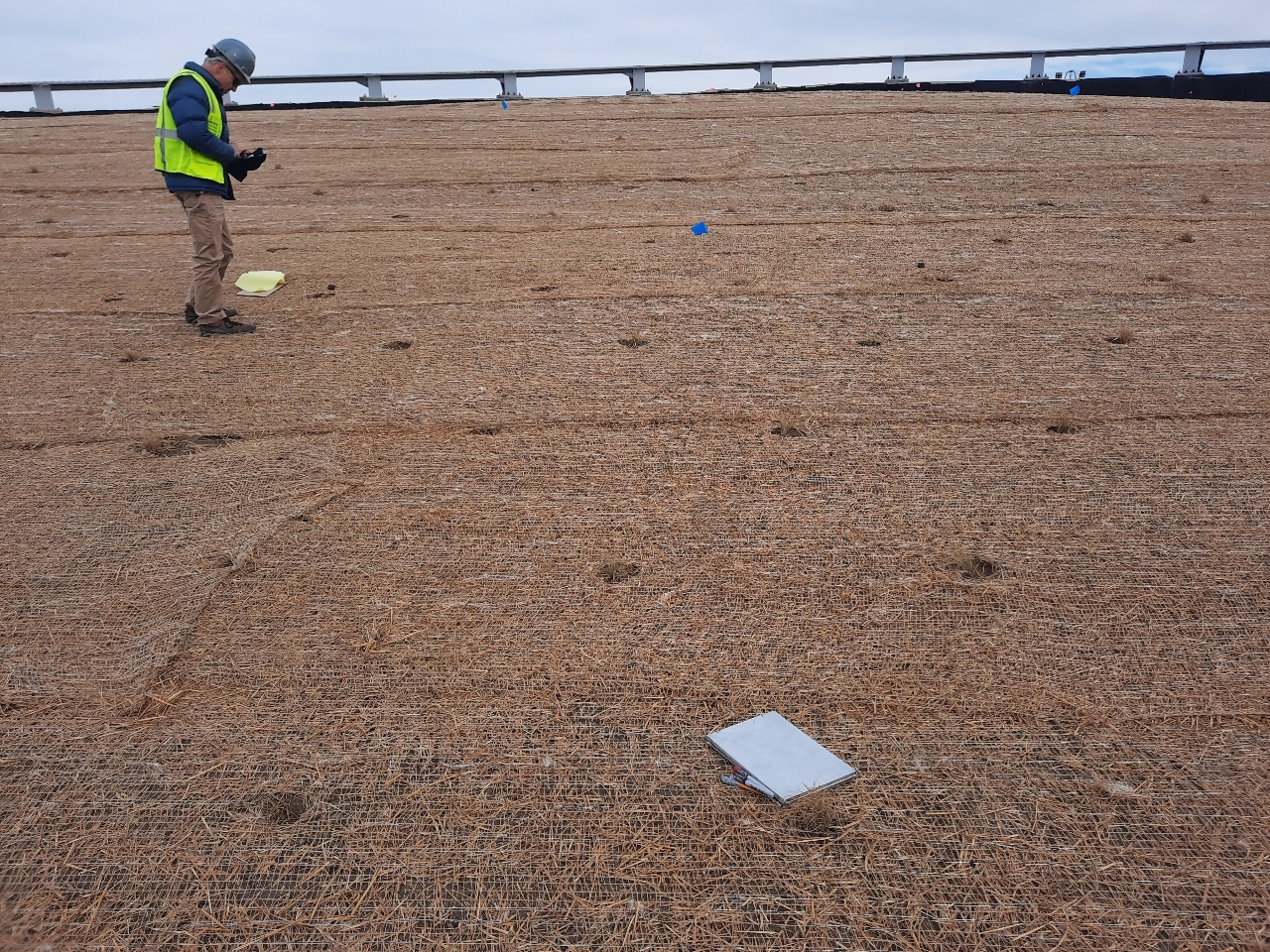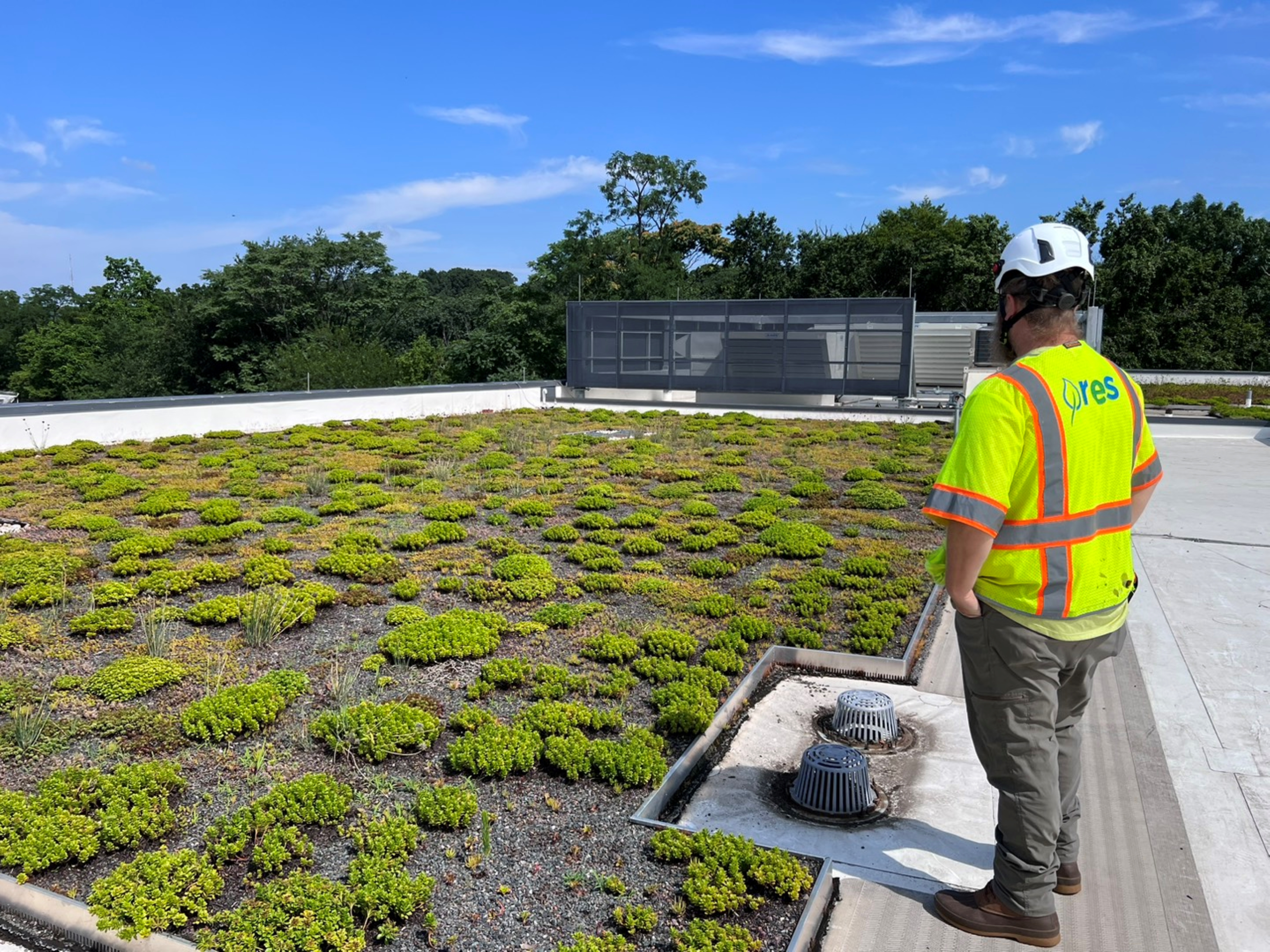
Solar development and wildlife conservation are routinely framed as competing priorities. In some contexts, they are. But in heavily farmed Midwestern landscapes, where row-crop agriculture dominates and native habitat has been largely replaced, that framing may be too simple.
That is the premise our team set out to examine through RES' Innovation Leadership Program (ILP), an internal research initiative that gives RES scientists time and resources to ask questions that are not driven by project deliverables.
What we did
The study compared wildlife activity within utility-scale solar arrays with that in adjacent cropland in Midwestern agricultural landscapes where solar development is expanding. Over the survey period, the team deployed trail cameras and acoustic sensors, ultimately processing more than 400,000 images and thousands of hours of audio.
The core question: in a landscape where cropland is the dominant land cover, does a fenced solar array function as better, worse, or comparable wildlife habitat?
What we found
The results were nuanced, which is exactly what field ecology tends to produce.
Deer largely avoided fenced arrays, consistent with what you would expect from a fenced structure in an open landscape.
Grassland birds told a different story. Three species showed meaningfully higher detection rates inside the solar arrays than in the surrounding crop fields:
- Eastern Meadowlark — a species of growing conservation concern across the central U.S.
- Grasshopper Sparrow — dependent on open grassland with minimal disturbance
- Northern Bobwhite — historically common across the Midwest, now experiencing range-wide declines
All three species depend on open grassland habitat and have experienced significant population declines. Grassland bird populations overall have dropped by an estimated 43% since 1970, one of the steepest long-term declines of any bird group in North America.
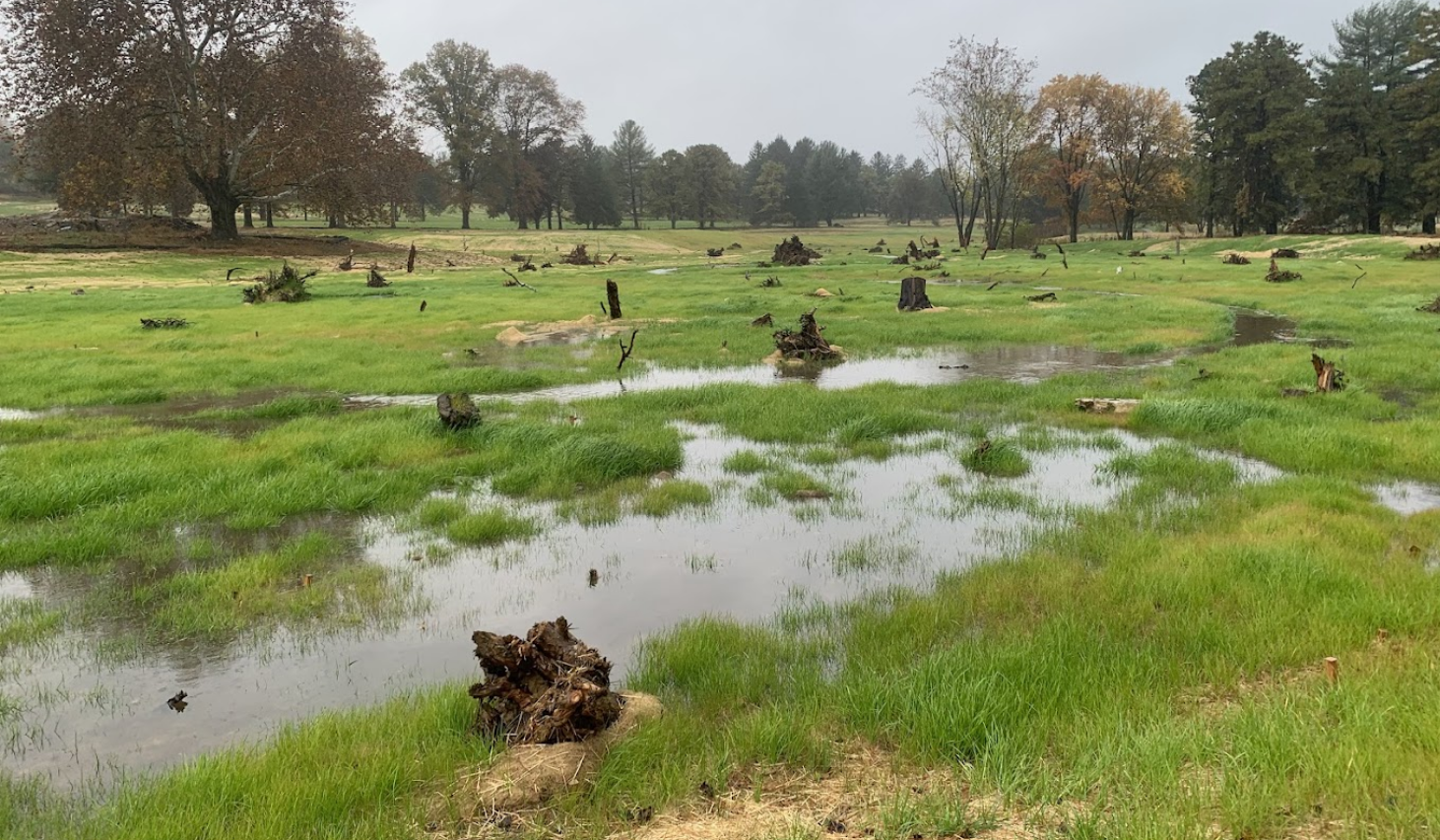
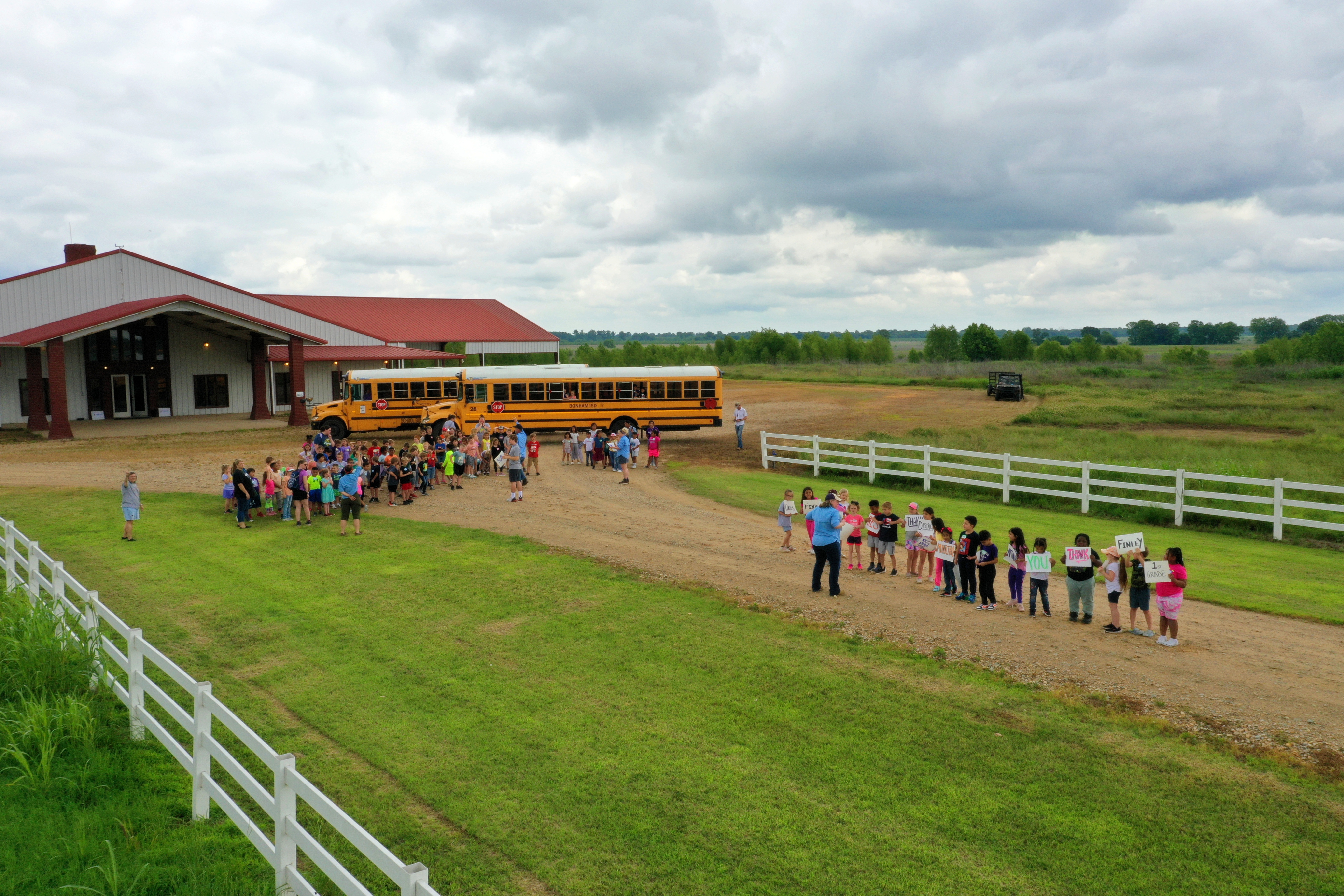
RES has documented similar dynamics at larger restoration scales. At Riverby Ranch in northeast Texas, a 15,000-acre permittee-responsible mitigation site and the largest contiguous restoration project of its kind in North America, bird density estimates at the restored site were more than double those recorded at reference sites under different management, including unrestored working ranchland and conservation-managed prairie. The bird community at Riverby is now a primary indicator of restoration success. Watch: The Birds of Riverby (Restoring at Scale, Episode 17)
What this means, and what it doesn't
These findings do not suggest that solar development is universally beneficial for wildlife. Site context matters enormously. Solar arrays in intact native prairie or high-quality habitat would present a very different ecological picture than arrays sited in active cropland.
What the findings do suggest is that in landscapes already dominated by intensive agriculture, the relative habitat value of a solar array, particularly one with native vegetation management under the panels, may be higher than commonly assumed. The baseline matters.
For developers and project planners, this has practical implications. Early ecological assessment of the surrounding land cover is not just a regulatory requirement; it is also information that can meaningfully shape mitigation strategy, vegetation management, and stakeholder communication.
RES partnered with National Grid Renewables on the Bingham Solar project in Michigan to integrate Monarch butterfly conservation into a large-scale solar development, streamlining regulatory approval while restoring valuable pollinator habitat. At Prairie Wolf Solar in Coles County, Illinois, RES installed native grass and pollinator seed mixes across a 200 MW facility, balancing SWPPP compliance with long-term vegetation and species outcomes.
These projects, alongside the ILP findings, reflect a consistent principle in RES' approach: ecological site design is most effective and most defensible when it starts from an honest assessment of what the surrounding landscape actually provides.
ILP: Research designed to challenge assumptions
The Innovation Leadership Program is RES' internal research investment. ILP projects are proposed and led by RES staff and funded by the company specifically to produce findings that improve scientific practice, not to validate a product or support a specific client outcome.
That independence matters for how these results should be read. The ILP study was not designed to produce a favorable conclusion about solar development. It was designed to answer a genuine question about wildlife habitat in agricultural landscapes.
The results do not resolve every question in the solar-wildlife conversation. They do add a data point that deserves to be part of it.
Download the full PDF presentation.
Planning a solar or large-scale development project with potential wildlife considerations?

The information contained in this presentation includes information that is publicly licensed under Creative Commons Attribution-NonCommercial-ShareAlike 4.0 International Public License, which is located at BirdNET-Pi/LICENSE at main ? mcguirepr89/BirdNET-Pi ? GitHub.