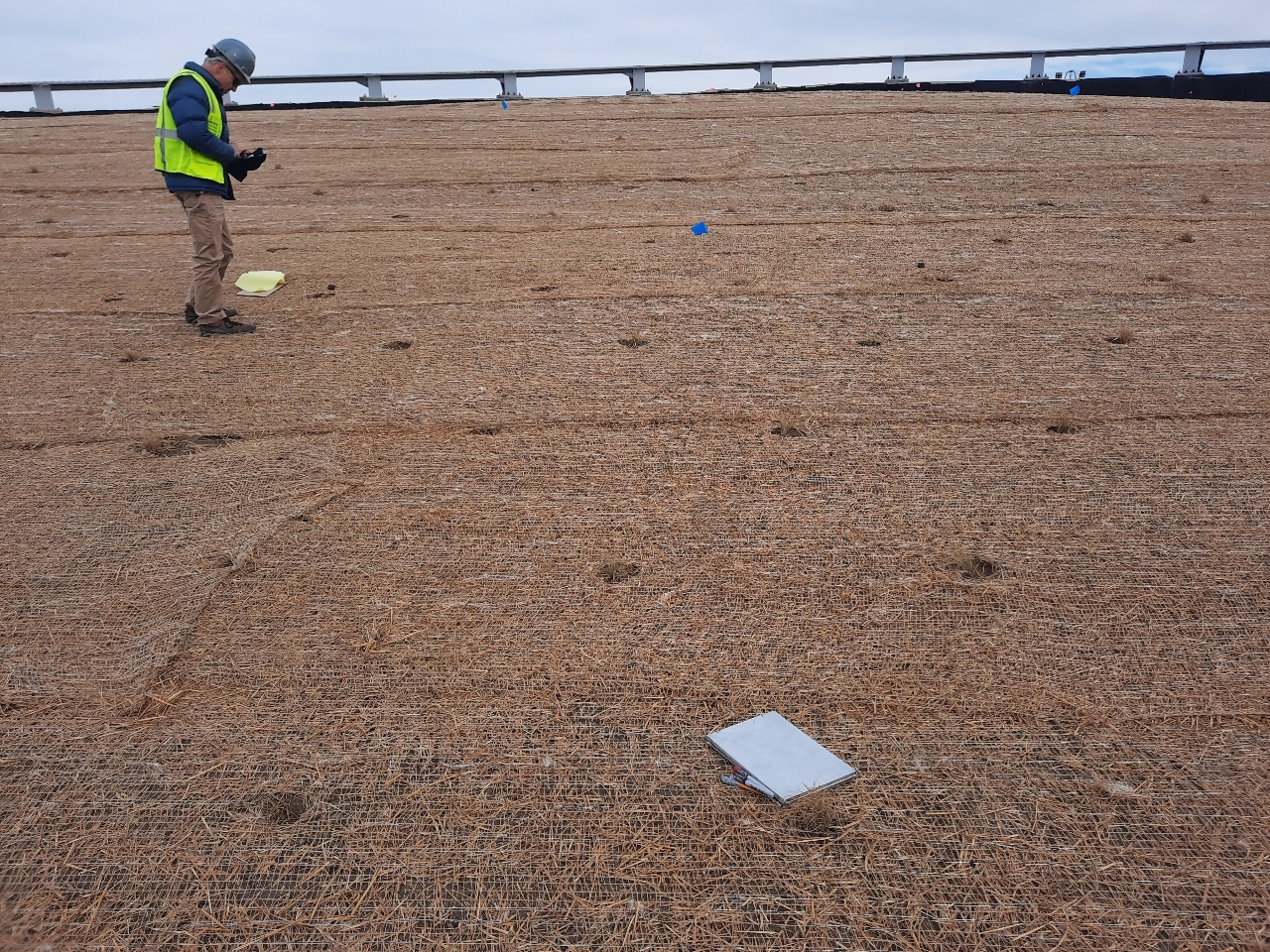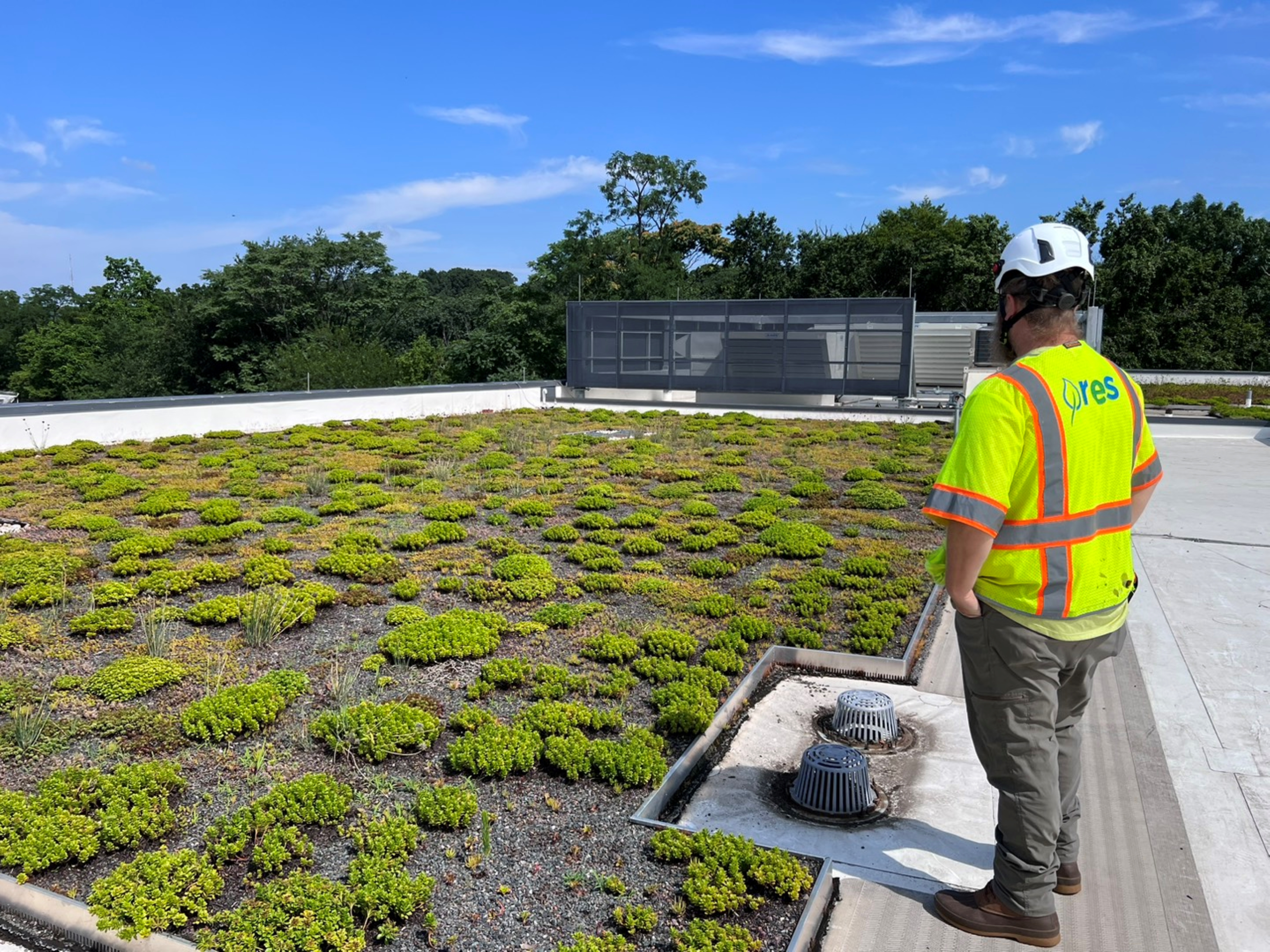
Nature-based Solutions are rapidly becoming essential for large-scale development. As projects grow in size, speed, and visibility, environmental risk, water constraints, and community opposition are no longer secondary concerns. They are material threats to schedule, cost, and long-term performance.
Across the U.S., large development projects face increasing scrutiny around land use, water impacts, biodiversity loss, and long-term environmental resilience. Traditional approaches that treat environmental considerations as late-stage compliance requirements increasingly lead to delays, redesigns, and opposition. Nature-based Solutions address these risks early, when they are most manageable and least costly to resolve.
What are Nature-based Solutions?
Nature-based Solutions are development strategies that restore and strengthen natural systems while supporting project objectives. Rather than focusing solely on minimizing harm, these approaches are designed to leave ecosystems healthier, more resilient, and more functional than before construction.
For developers, this means treating land, water, and ecology as working systems that are planned and designed alongside utilities, buildings, and transportation infrastructure.
At RES, Nature-based Solutions are delivered at an infrastructure scale, helping development teams integrate ecological site solutions, water stewardship, and environmental mitigation into real project schedules and budgets.
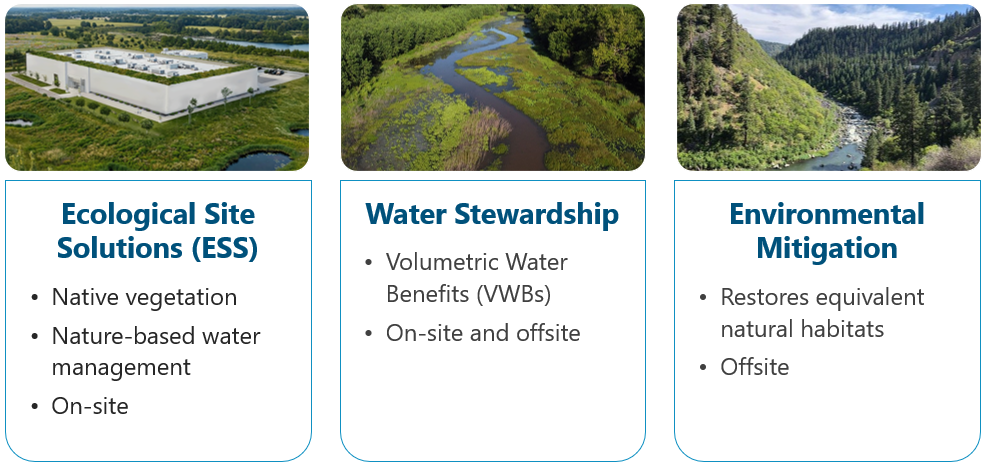
Three pillars of Nature-based Solutions
RES delivers Nature-based Solutions through three integrated pillars that work together to reduce risk, improve performance, and accelerate project delivery.
- Ecological Site Solutions (ESS)
- Water Stewardship
- Environmental Mitigation
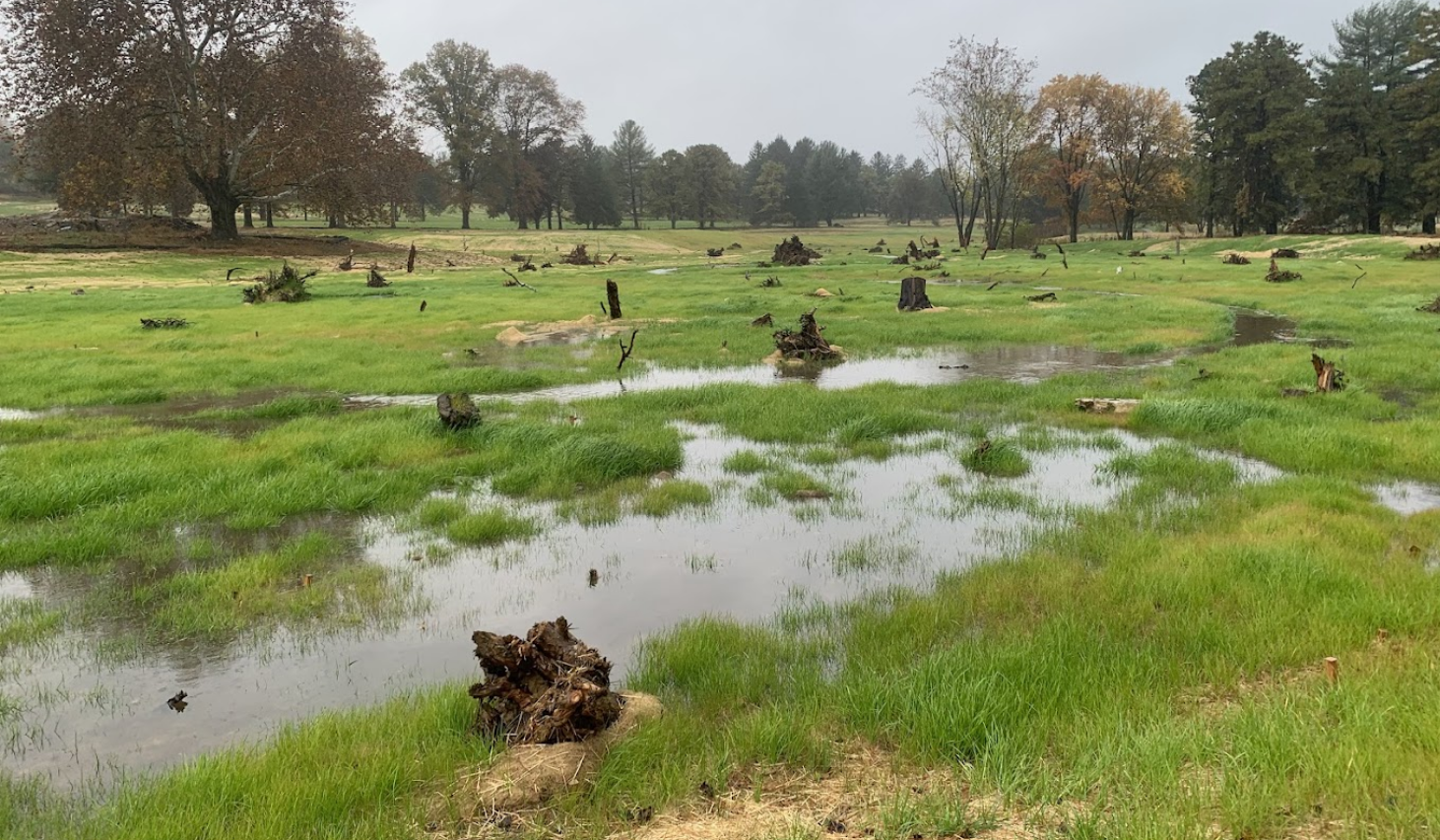
Ecological Site Solutions focus on on-site strategies that integrate natural systems directly into project design. This includes native habitats and adaptive vegetation, nature-based stormwater systems, restored soils, and ecological grading.
ESS establishes functioning native ecosystems that enhance biodiversity, reduce heat-island effects, lower irrigation demand, manage stormwater naturally, and decrease long-term operations and maintenance costs. These performance-driven habitat systems deliver measurable ecological benefits while providing clear, readily understandable outcomes that communities and regulators can readily understand.
Water Stewardship addresses water impacts at both the site and watershed scale. As water availability and quality become critical constraints, these strategies go beyond basic stormwater compliance.
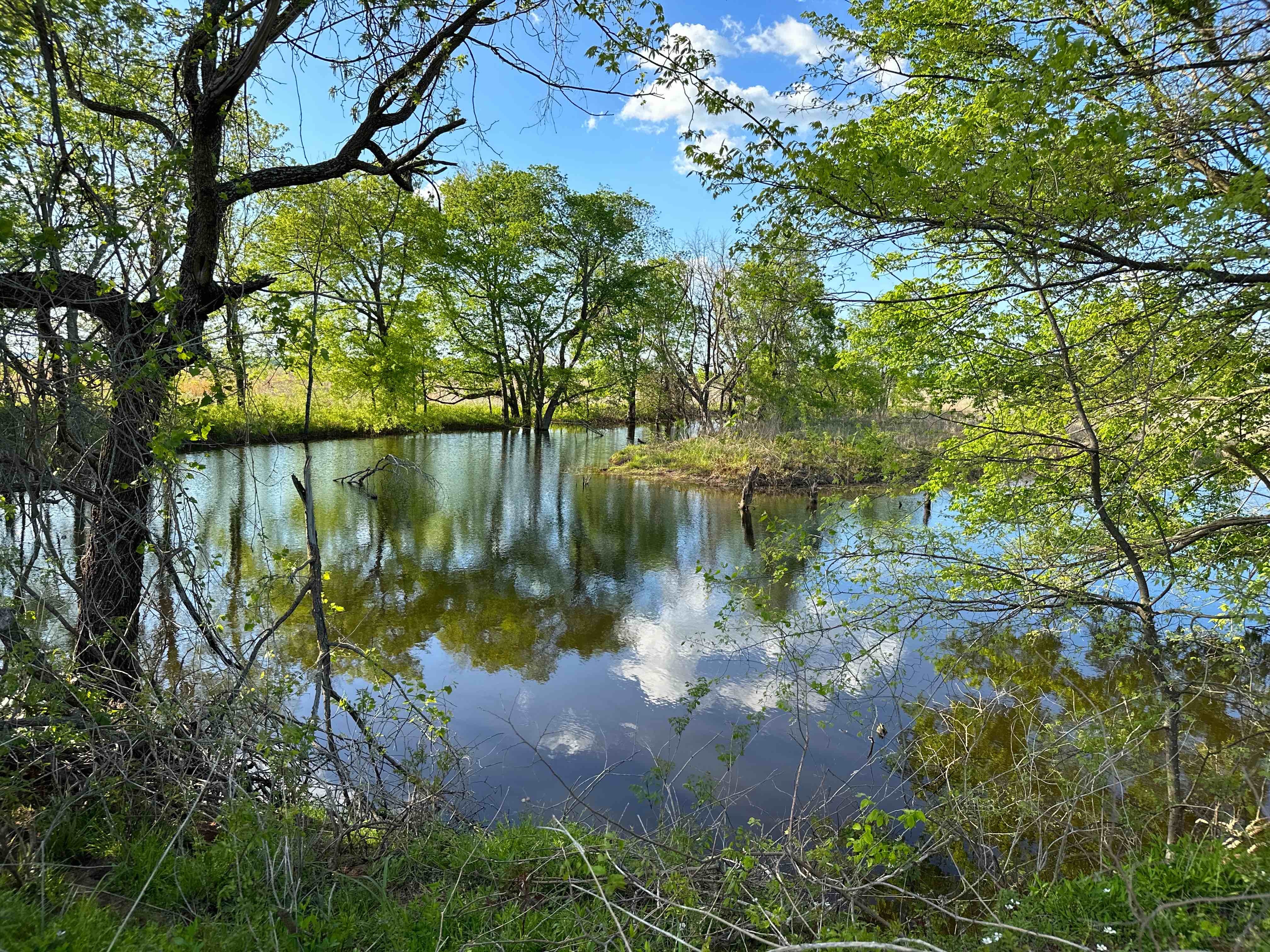
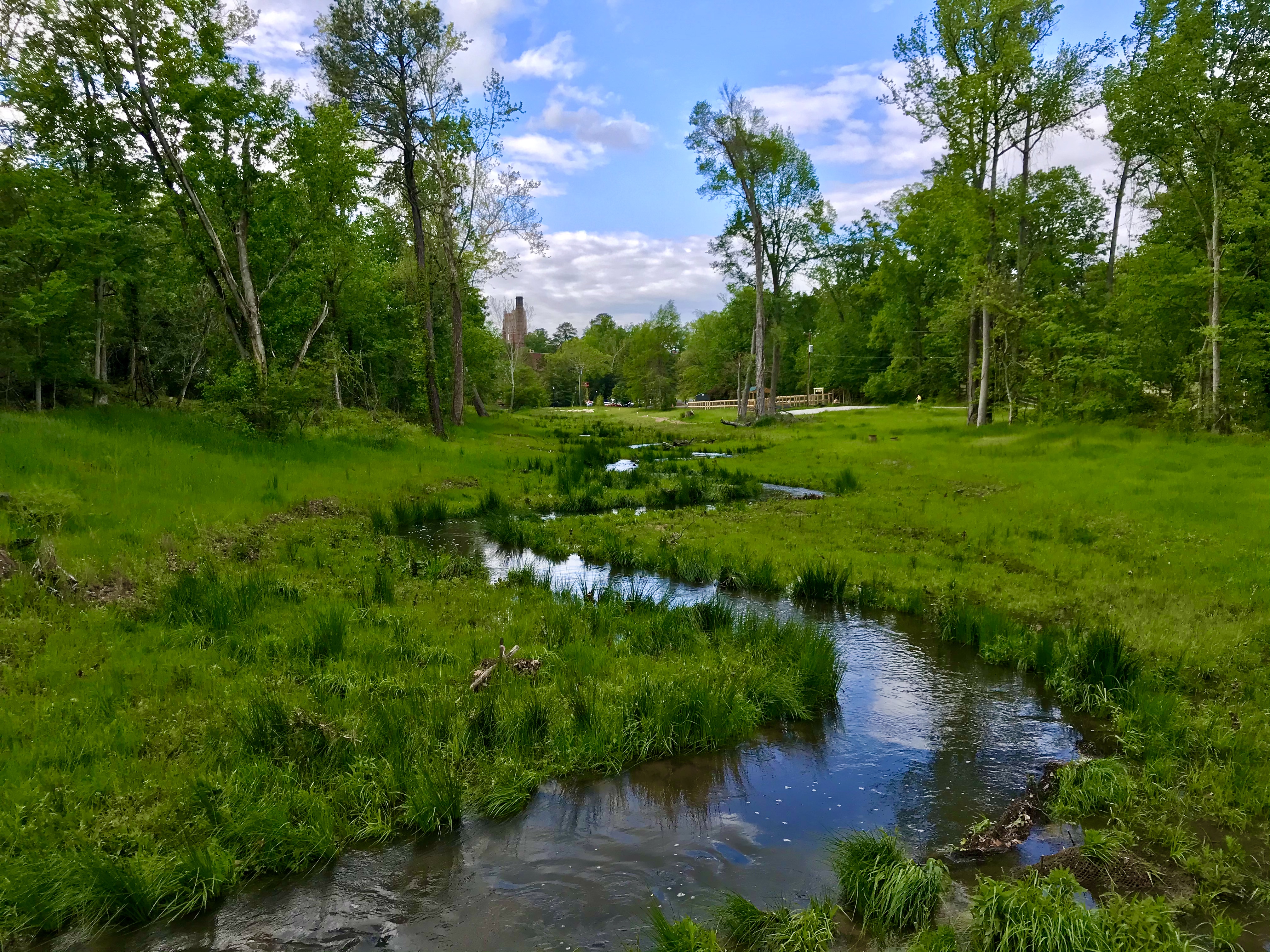
RES implements water stewardship strategies that improve groundwater recharge, restore streams, wetlands, and floodplains, and enhance water quality in the watersheds where development occurs. These approaches support long-term operational resilience and strengthen trust with regulators and surrounding communities.
Even well-designed sites create unavoidable impacts. Environmental mitigation offsets those impacts by proactively restoring streams, wetlands, and habitats. RES plans and delivers mitigation early in the development process, reducing permitting uncertainty, avoiding costly redesigns, and helping projects stay on schedule while delivering measurable ecological uplift.
What do Nature-based Solutions look like on the ground?
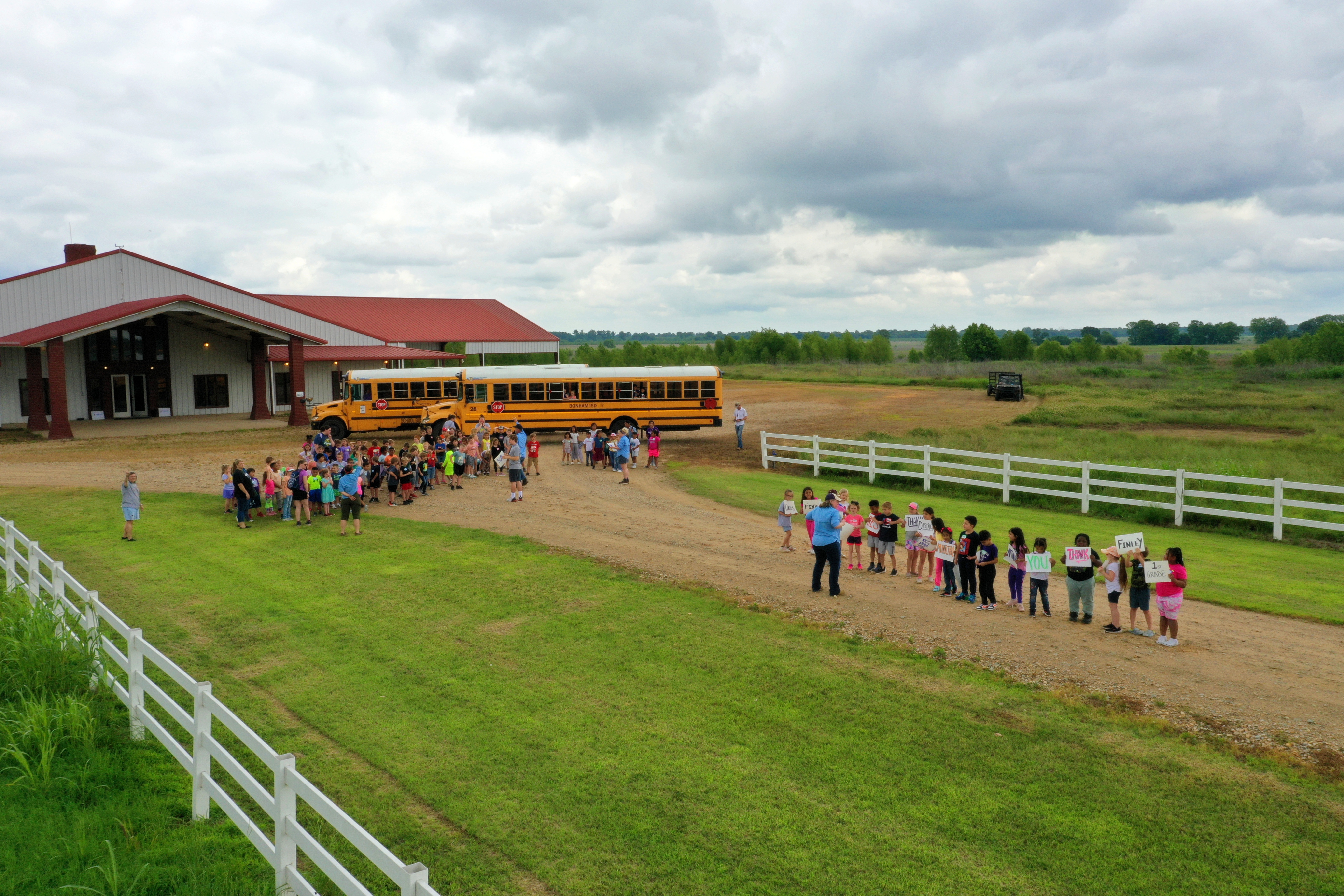
Nature-based Solutions are already being applied across a wide range of large-scale developments.
Projects increasingly rely on integrated site ecology, watershed-aware grading, and native landscape systems to manage water, address land impacts, and meet regulatory requirements. When implemented early, these approaches reduce long-term maintenance needs and improve regulatory and community outcomes.
One example is the TheodoreRoosevelt Presidential Library in Medora, North Dakota. From the outset, the project integrated native prairie restoration, ecological grading, and large-scale native planting into the site design. Regionally adapted species were used to reduce irrigation demand, manage stormwater naturally, and reflect the surrounding Badlands ecosystem. The result is a high-visibility public asset that meets sustainability goals while supporting long-term operational performance.
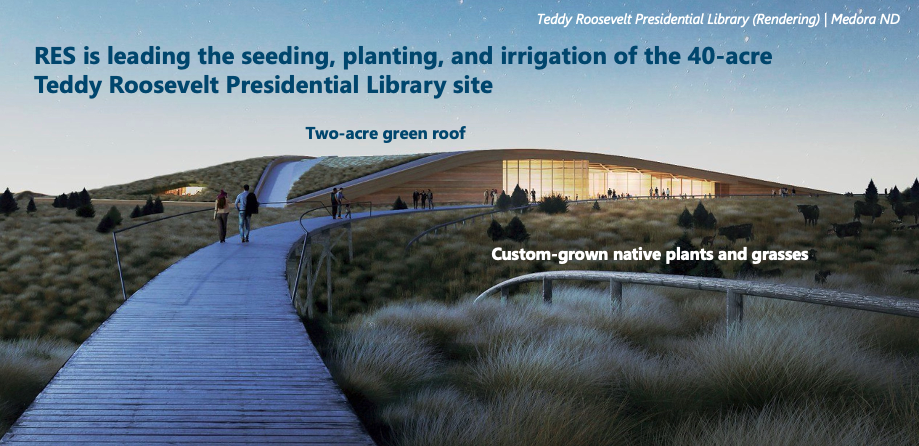
Projects like this succeed because ecological strategy is embedded into development planning from the beginning, not layered on at the end. When native habitat systems and biodiversity goals are aligned with restoration, permitting, and long-term stewardship — and integrated with construction timelines — ecological performance becomes an accelerator rather than an obstacle.
Why early integration matters
Addressing land, water, and ecological systems early gives development teams more options and fewer surprises.
Projects that partner with RES to integrate Nature-based Solutions from the start move more efficiently through permitting, avoid late-stage redesigns, and build stronger community support.
Making Nature-based Solutions actionable
RES is the nation’s largest ecological restoration company, delivering Nature-based Solutions from early site planning and permitting through construction and long-term stewardship.
By aligning ecological strategy with real project schedules and budgets, RES helps developers reduce risk while delivering durable, measurable outcomes that regulators and the community trust.
What comes next?
Nature-based development is no longer optional. It is becoming a prerequisite for projects that need to move quickly, secure permits, and earn community trust. If your project faces water constraints, land impacts, or heightened scrutiny, engaging early can be the difference between momentum and delay.
Connect with RES to turn nature-positive intent into buildable outcomes.