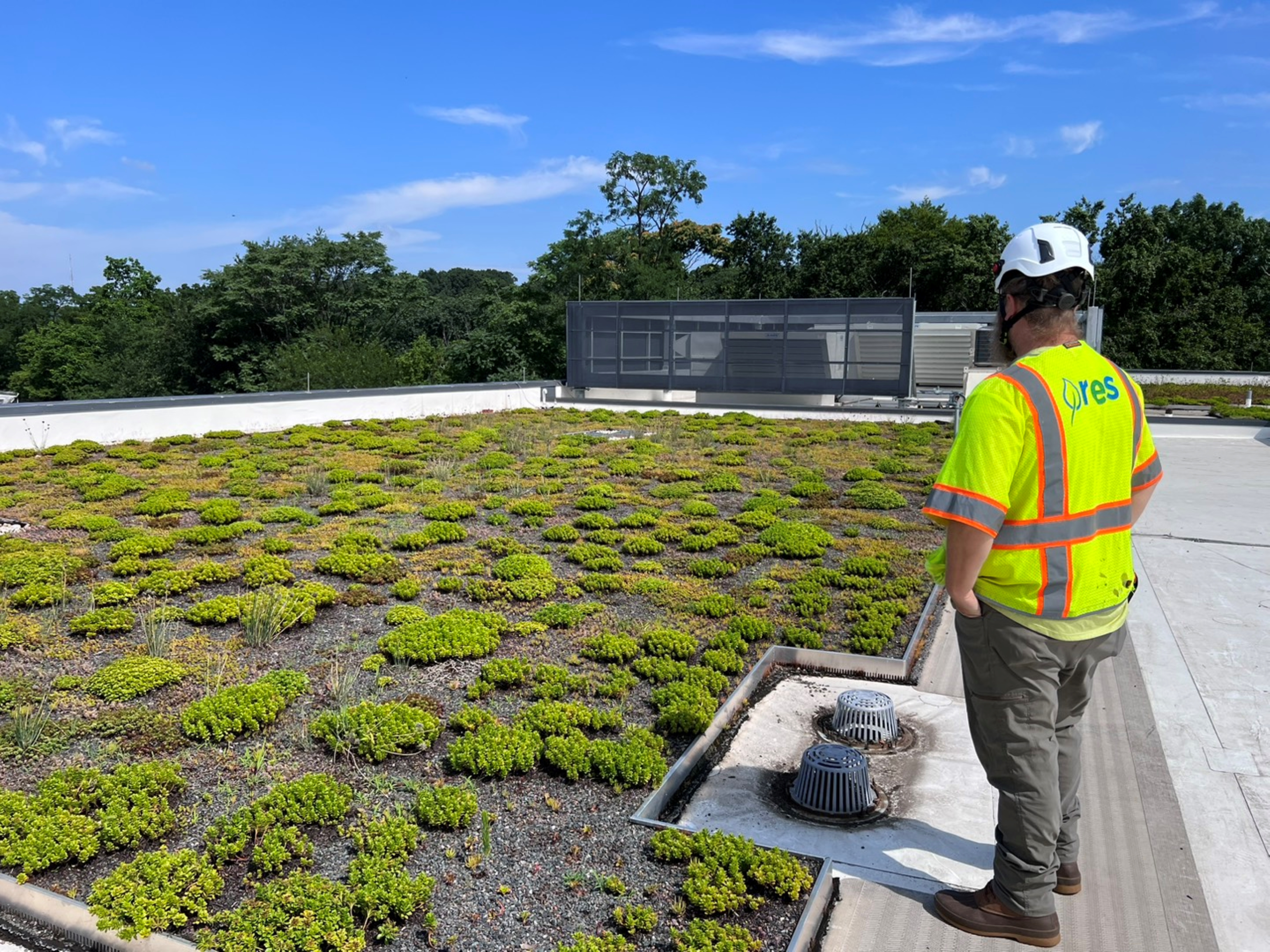
Wetland mitigation is a complex and highly regulated component of federal infrastructure delivery that must be carefully coordinated with design, permitting, and construction activities. When mitigation is not fully integrated early in project planning, it can introduce regulatory uncertainty and create schedule and cost pressures during later phases of delivery.
RES has worked alongside federal agencies on a wide range of infrastructure projects where early coordination is essential. On this General Services Administration (GSA) infrastructure project, RES delivered an off-site, turnkey wetland mitigation approach that treated mitigation as a critical path requirement from the outset.
CASE STUDY> General Services Administration (GSA) | Rouses Point Land Port of Entry
Project context and delivery challenge
The GSA-led project operated within a very small watershed where viable mitigation opportunities were limited. On-site mitigation options were constrained, and any off-site solution required careful feasibility analysis, land acquisition, and coordination with multiple regulatory agencies. At the same time, the broader federal infrastructure effort carried tight phasing requirements, meaning delays in mitigation approvals or construction could directly affect downstream construction activities.
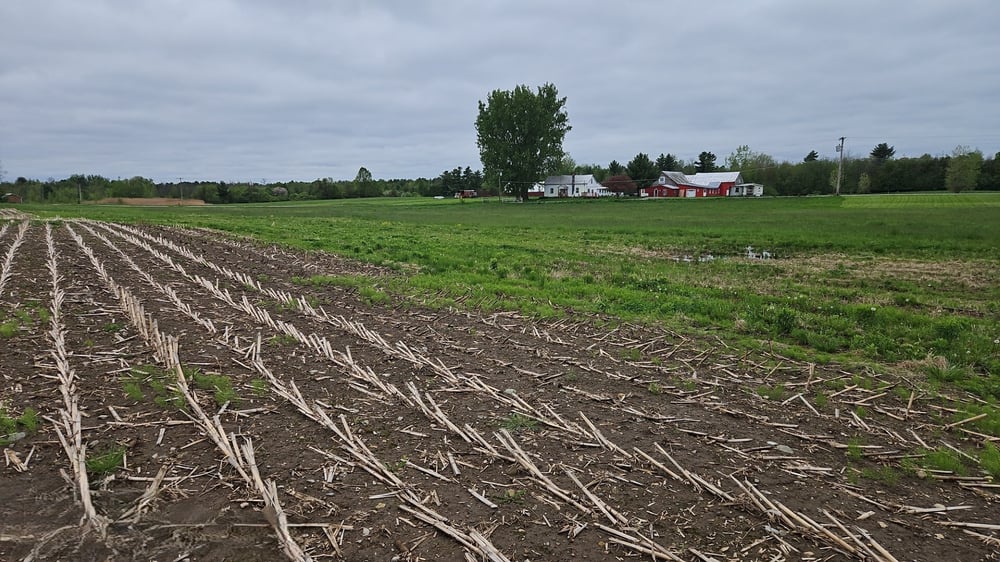
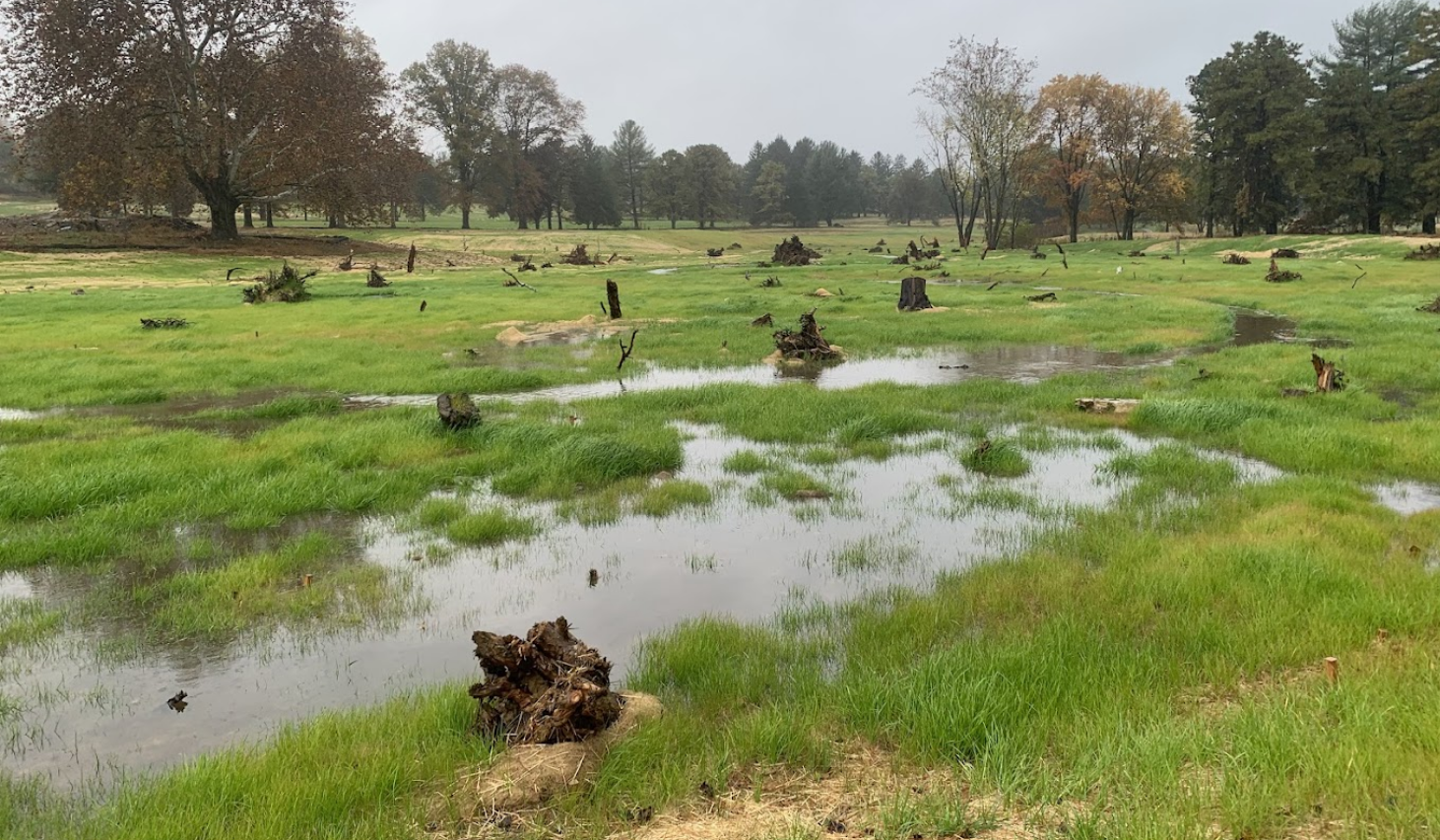
Baseline site conditions prior to mitigation
These constraints required a mitigation strategy that could move early, remain adaptable through regulatory review, and stay aligned with overall project delivery milestones. RES approached mitigation planning with this risk profile in mind.
To address these conditions, GSA procured an off-site, turnkey wetland mitigation solution under a single contract delivered by RES. This approach consolidated responsibility for mitigation feasibility, land acquisition, design, permitting, construction, and the transition
into long-term maintenance and monitoring. By integrating these phases, RES reduced handoffs between multiple parties and established clear accountability for regulatory compliance, schedule coordination, and performance outcomes. Early feasibility work focused on identifying mitigation sites that could meet ecological objectives while remaining achievable within the watershed context. This early investment informed both design and permitting strategies, reducing the risk of late-stage redesign or site abandonment.
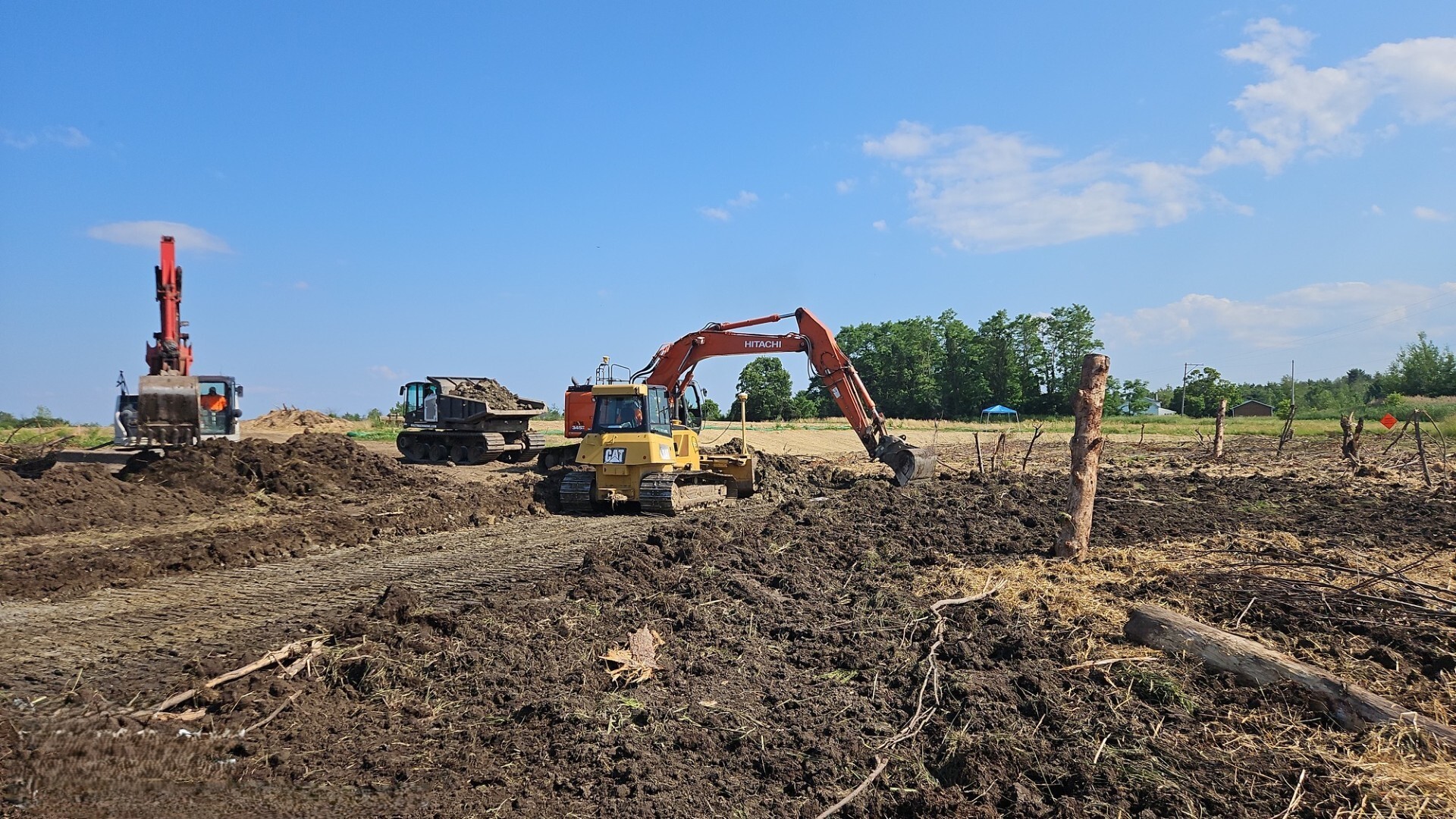
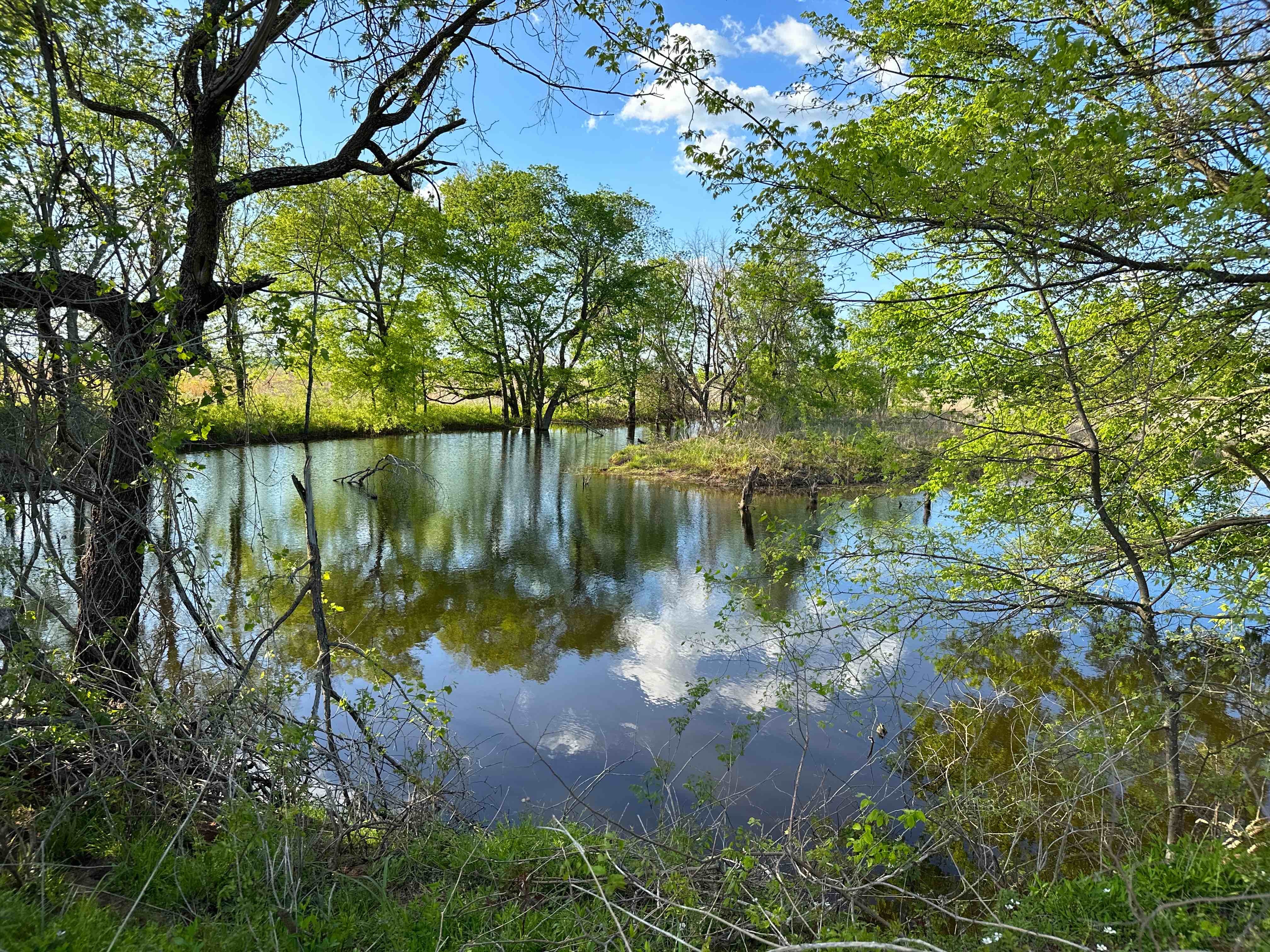
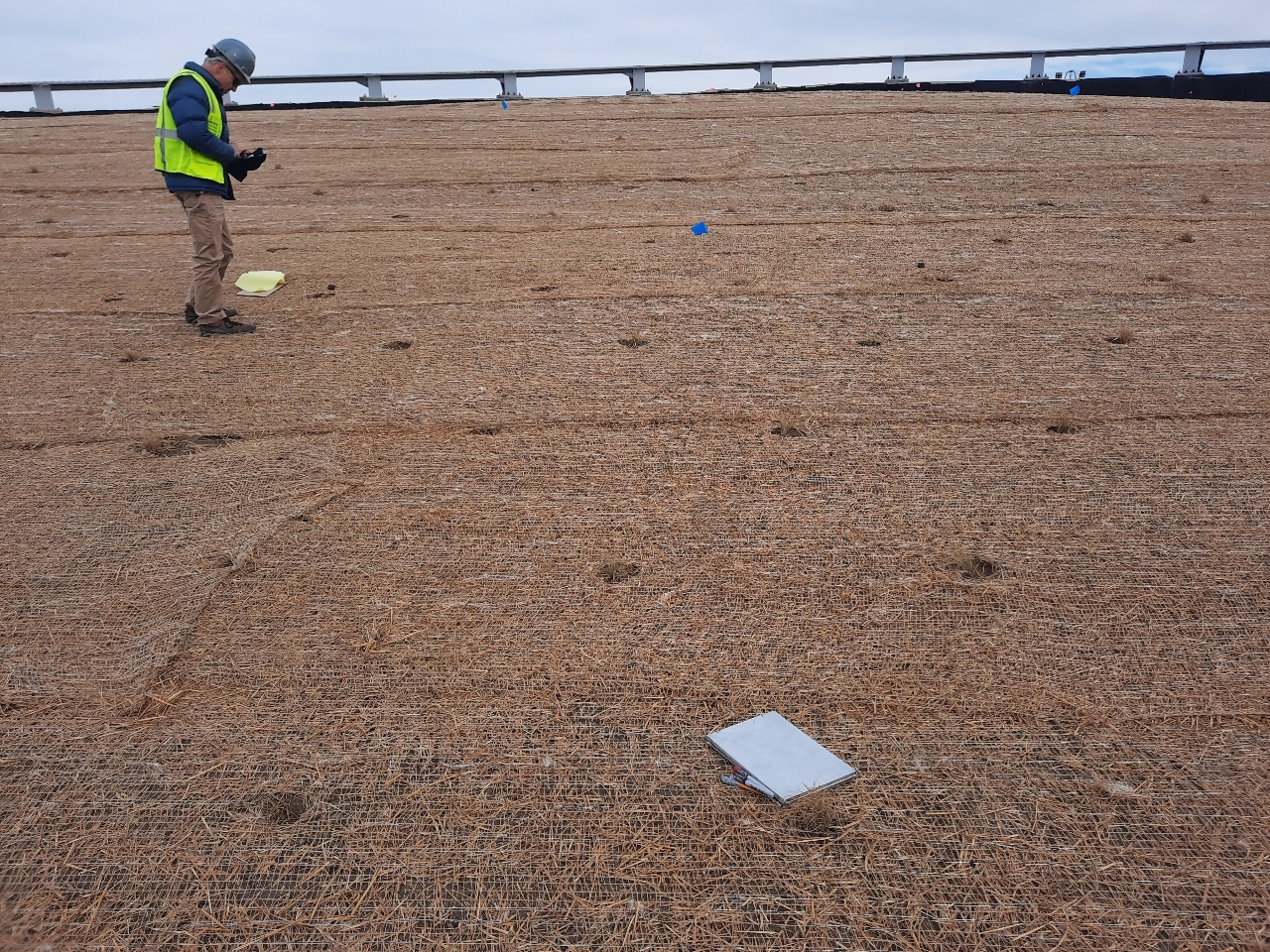
Wetland mitigation implementation in progress
Permitting, coordination, and schedule protection
The mitigation effort required navigation of a complex, multi-agency permitting process. Regulatory review extended over a prolonged period and demanded thorough documentation, responsiveness to agency comments, and consistent coordination across federal and state reviewers. Because RES treated mitigation as an integrated scope rather than a standalone task, permitting activities could proceed in parallel with other project elements rather than sequentially. Complete and coordinated submittals reduced rework and supported steady progress through review cycles, helping maintain alignment between mitigation approvals and overall project phasing. Despite the regulatory complexity and site constraints, the off-site mitigation delivered by RES was completed ahead of construction needs. Early delivery reduced schedule risk for the broader GSA infrastructure project and ensured that mitigation requirements did not become a bottleneck for subsequent phases.
Outcomes and implications for federal projects
From a project delivery perspective, RES’ turnkey mitigation approach reduced coordination risk, simplified accountability, and supported schedule certainty for a complex GSA infrastructure effort. From an ecological perspective, the project established new wetland habitat in a location where it could function effectively within the watershed, delivering long-term environmental value rather than a minimal compliance outcome. This project demonstrates how off-site, turnkey wetland mitigation delivered by RES can function as a delivery strategy rather than a downstream requirement. When mitigation is planned early, procured holistically, and aligned with overall project phasing, it can reduce regulatory uncertainty, protect schedules, and improve outcomes for both federal customers and the ecosystems they steward.
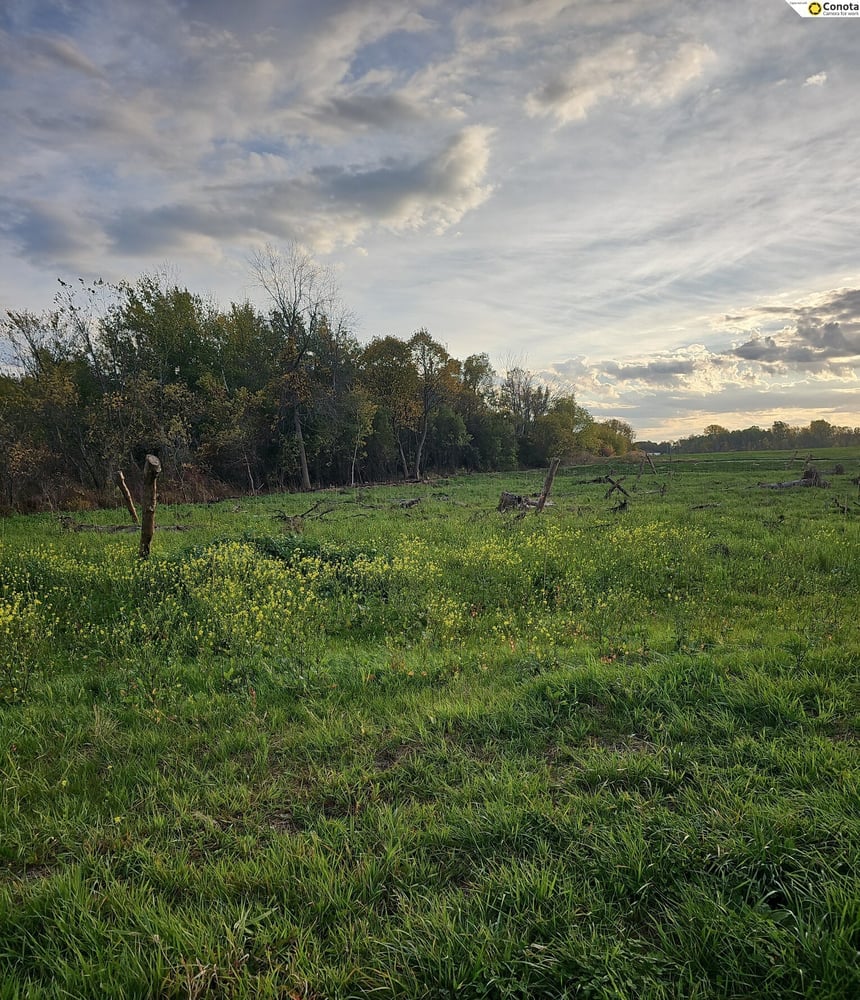
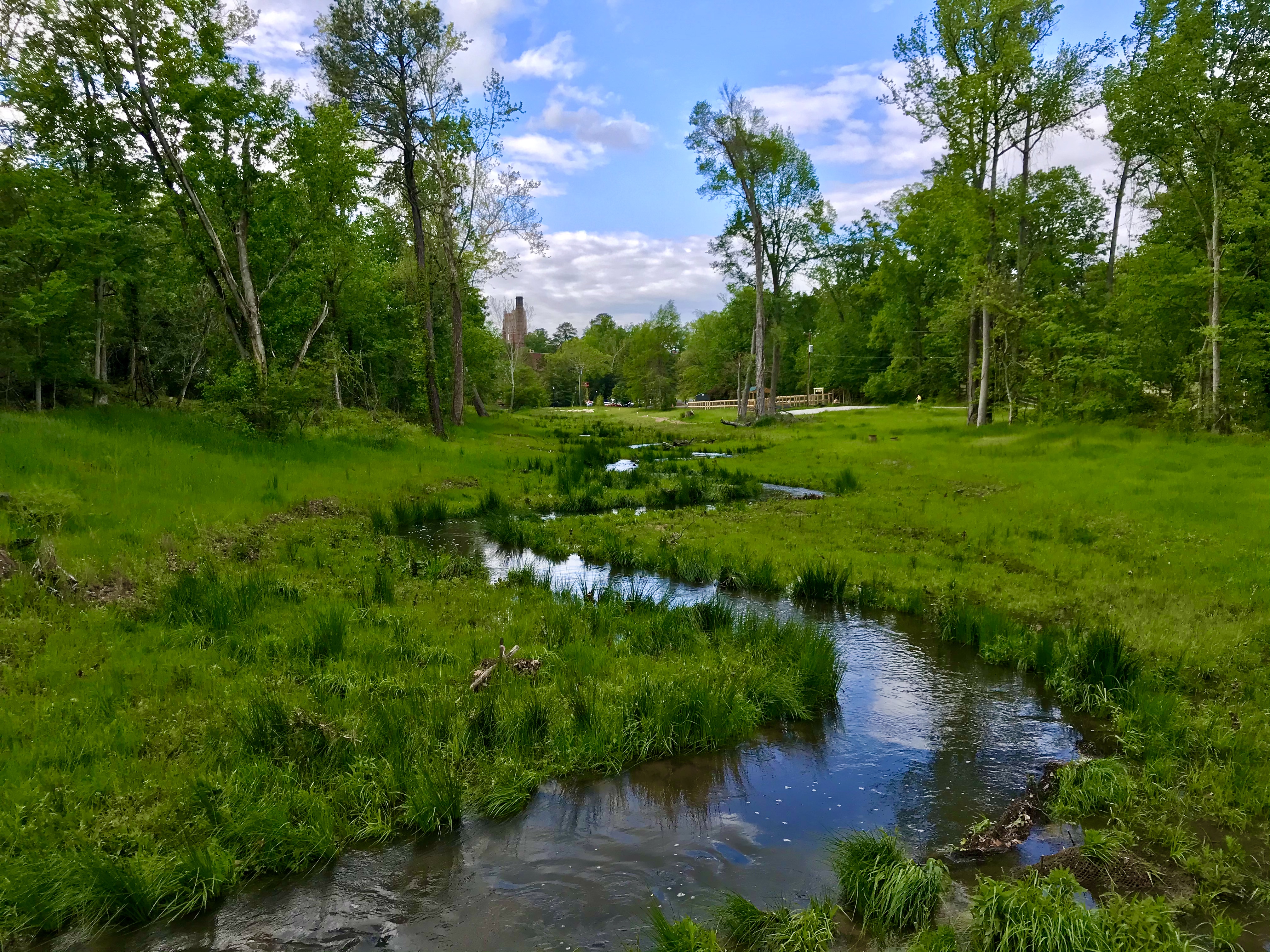
Mitigation established, re-wilding initiated, and maintenance and monitoring underway
RES supports GSA and other federal owners nationwide by delivering integrated wetland mitigation solutions that span feasibility, land acquisition, permitting, construction, and long-term monitoring. In constrained regulatory environments, RES helps transform wetland mitigation from a risk into a delivery advantage.