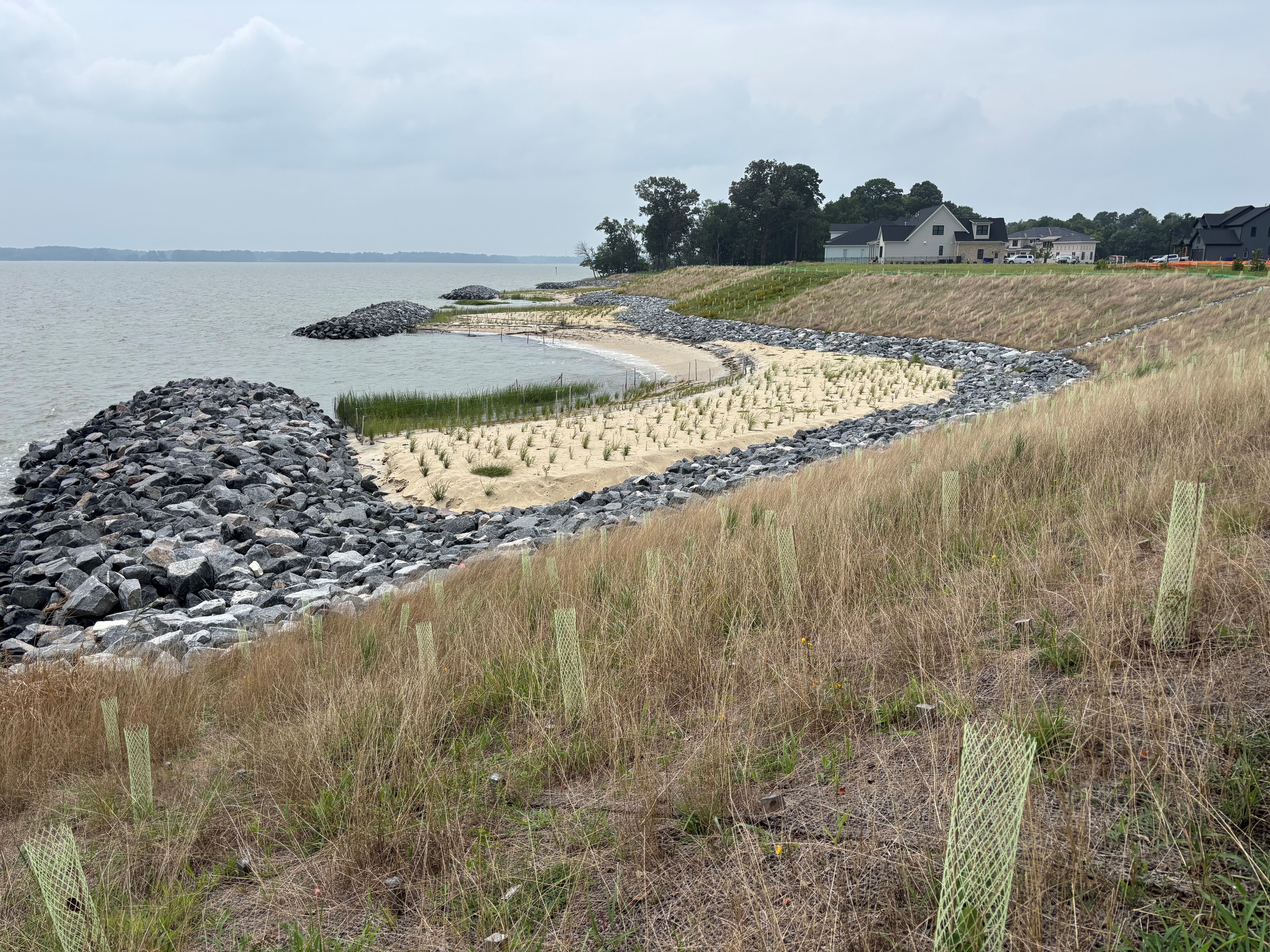
What happens when restoring a stream means you are actually restoring an entire valley? The benefits extend far beyond the water's edge – fewer pollutants, less flooding, more biodiversity, and a more stable water supply for surrounding communities.

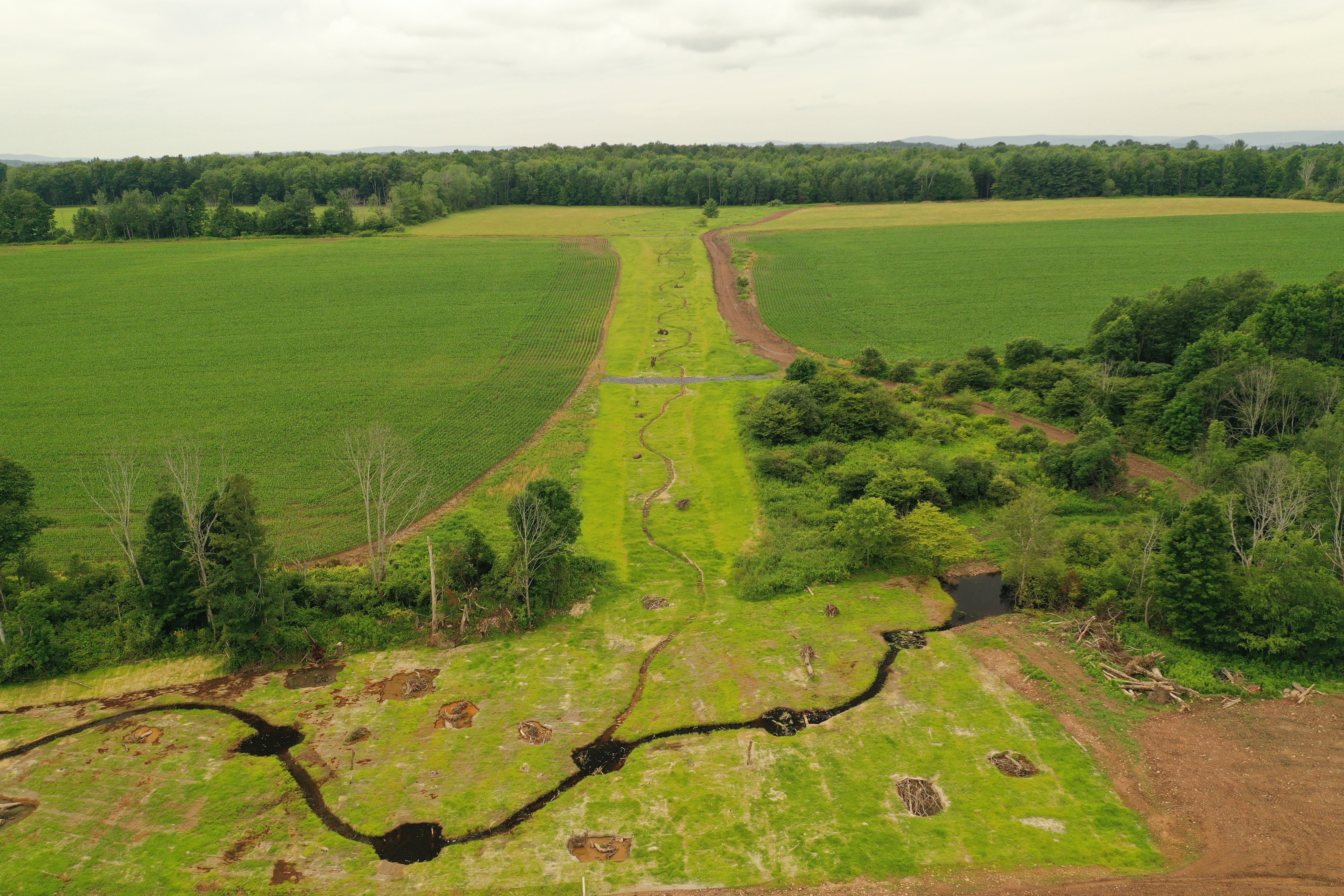
The “Restore the Stream, Restore the Valley” StoryMap takes you inside three Pennsylvania floodplain restoration projects where RES is putting integrated valley restoration into practice, from rural headwaters to urban corridors. In every case, the results flow downstream to the Susquehanna River and the Chesapeake Bay.
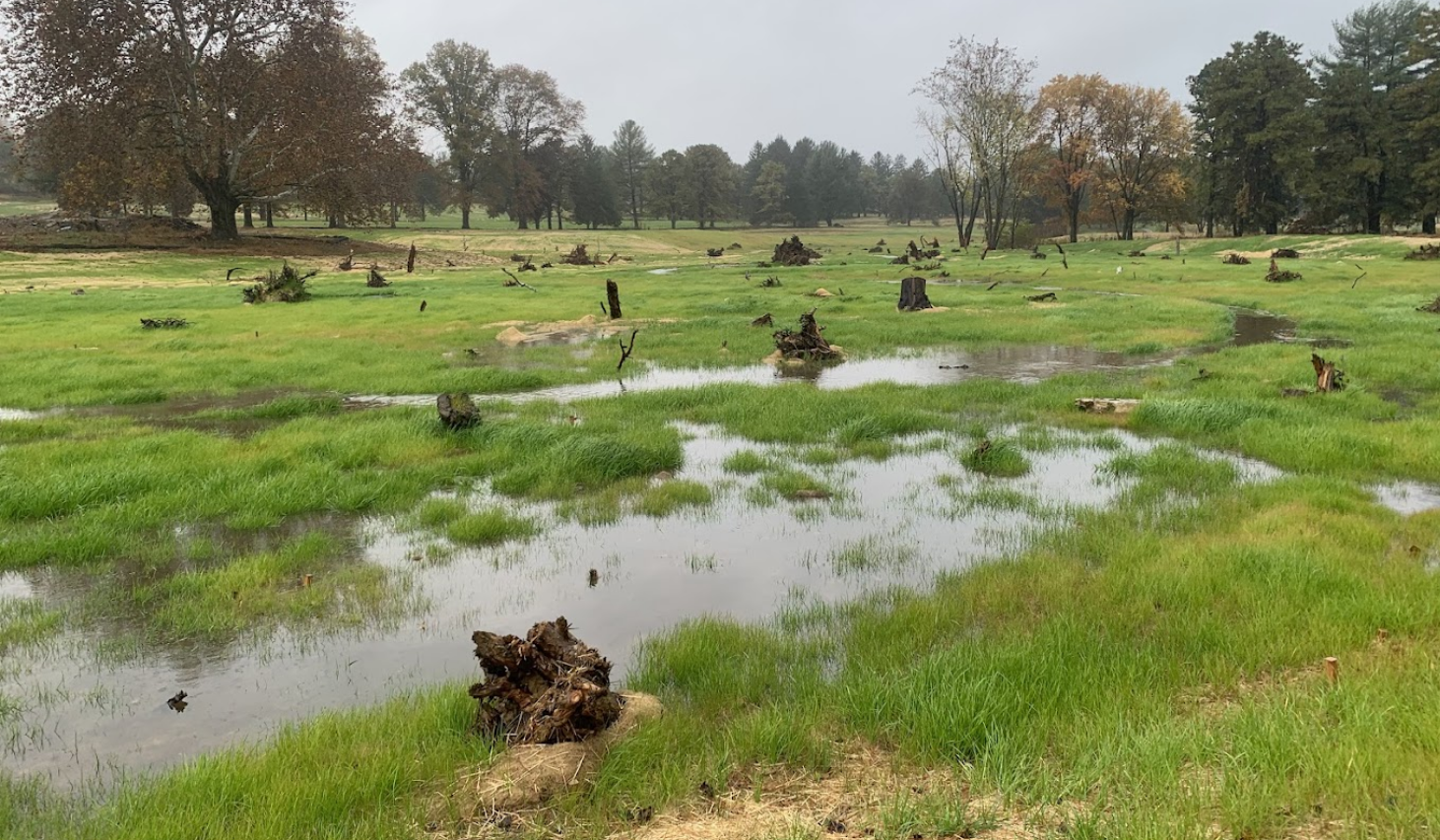
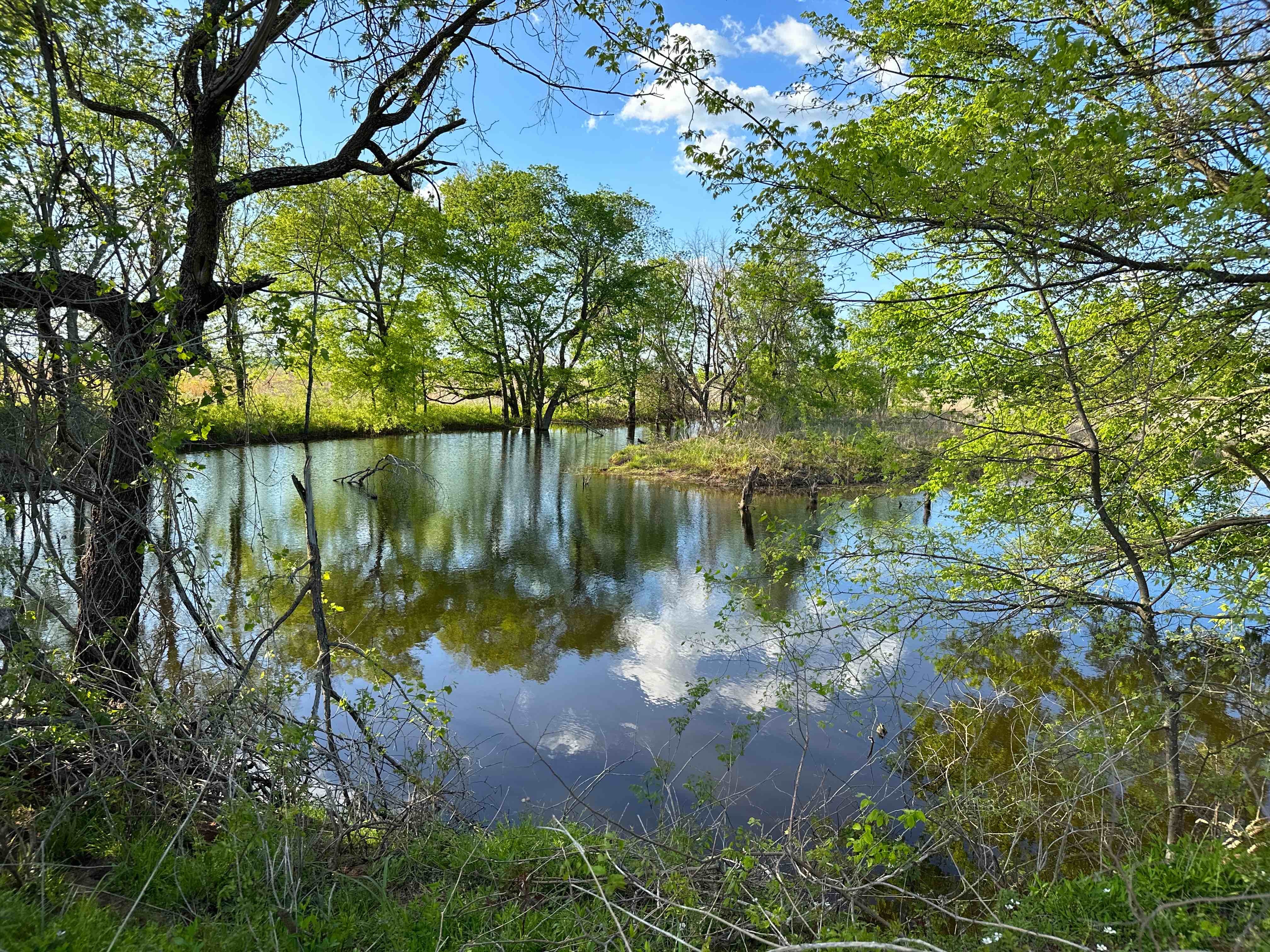
A key innovation featured throughout: habitat pools. These strategically designed depressions within the floodplain are a technique RES has refined over the past decade, working in partnership with ecologists and Pennsylvania DEP specialists. They promote biodiversity, create year-round refuges for aquatic life, and help slow erosive forces during high flows.
"Habitat pools are a unique part of what makes floodplain restoration so powerful... I've seen firsthand how they promote biodiversity and create year-round refugia that support all kinds of aquatic life."

Jon Kasitz
RES Client Solutions Manager
Featured projects include the Codorus Creek headwaters restoration, the Babb Creek stream-wetland-floodplain complex, and Paxton Creek's urban restoration, complete with before-and-after imagery, drone footage, and a look at the wildlife returning to these restored valleys.