South Carolina kept a $5 billion Volvo manufacturing investment, and the ecological planning that made it happen is the same approach available to any large-scale developer who starts early enough.
Environmental permitting rarely decides where a $5 billion facility gets built – until it does. When Volvo set out to build a 1.5 million-square-foot manufacturing plant in the southeastern U.S., South Carolina and several neighboring states competed hard for the investment and the thousands of jobs that came with it. What ultimately kept the project in South Carolina was not an incentive package. It was a mitigation strategy delivered fast enough to protect the timeline.
The Problem: A Site That Almost Wasn’t Big Enough
South Carolina’s first proposed site had already made real progress in permitting, which made it an early front-runner. But when Volvo overlaid its design and long-term buildout onto the parcel, the footprint fell short. The site simply couldn’t hold the full vision.
At nearly the same moment, a competing site in Georgia matched Volvo’s requirements almost exactly. South Carolina still had a path to win, but only if it could offer an alternative that was large enough and would not slow the schedule. That alternative was the Camp Hall site in Berkeley County: well located, appropriately sized, and suited to Volvo’s long-term plans. The catch was time. Volvo needed permitting resolved quickly to hit internal deadlines, and a large-scale site like Camp Hall carried significant wetland and stream impacts that had to be offset before the project could move.
WHY THIS MATTERS For large-scale industrial development, the mitigation plan is often the critical path. A site can be perfect on every other measure and still lose to a competitor if the compensatory mitigation strategy can’t be delivered inside the developer’s timeline.
RELATED ARTICLE → Why Nature-based Solutions are becoming essential for large-scale development
The RES Approach: A Landscape-Scale Solution, Delivered Early
The State of South Carolina and the Department of Commerce turned to RES for a fast, scalable answer. RES developed a full permittee-responsible mitigation (PRM) strategy to meet Volvo’s environmental requirements, and delivered it faster than expected. Without a clear compensatory mitigation plan, the project would likely have faced permitting delays and higher costs, potentially disqualifying South Carolina from selection.
Rather than lean on a single mitigation site, RES built a landscape-scale conservation strategy across multiple properties. The result was a watershed-scale solution: it offset the facility’s environmental impacts while strengthening South Carolina’s broader conservation network around Charleston.
What the Plan Delivered
-
Strategic land conservation: RES secured and preserved six key tracts totaling just under 2,500 acres, expanding the region’s protected land and helping guard against unchecked development.
-
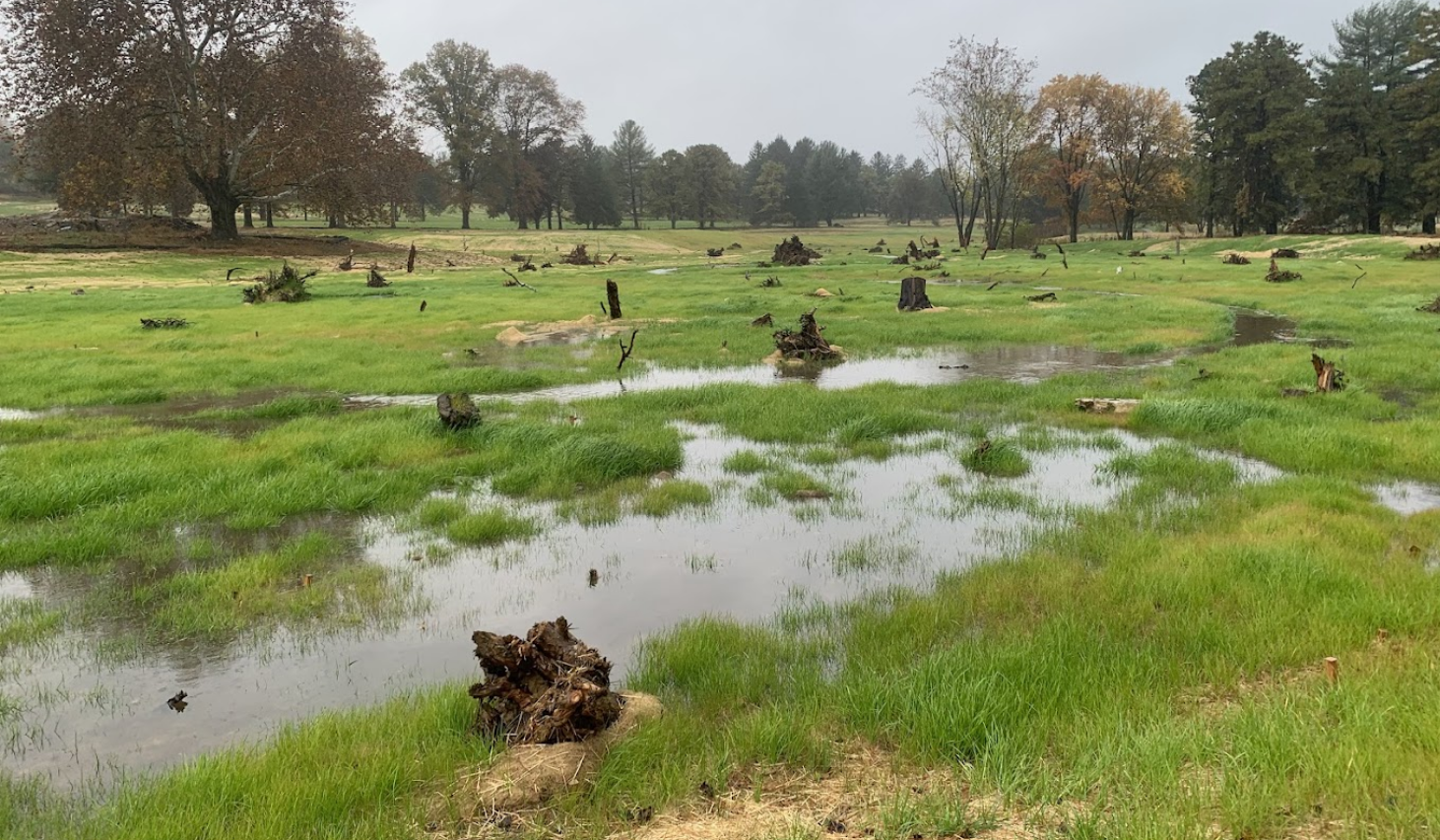
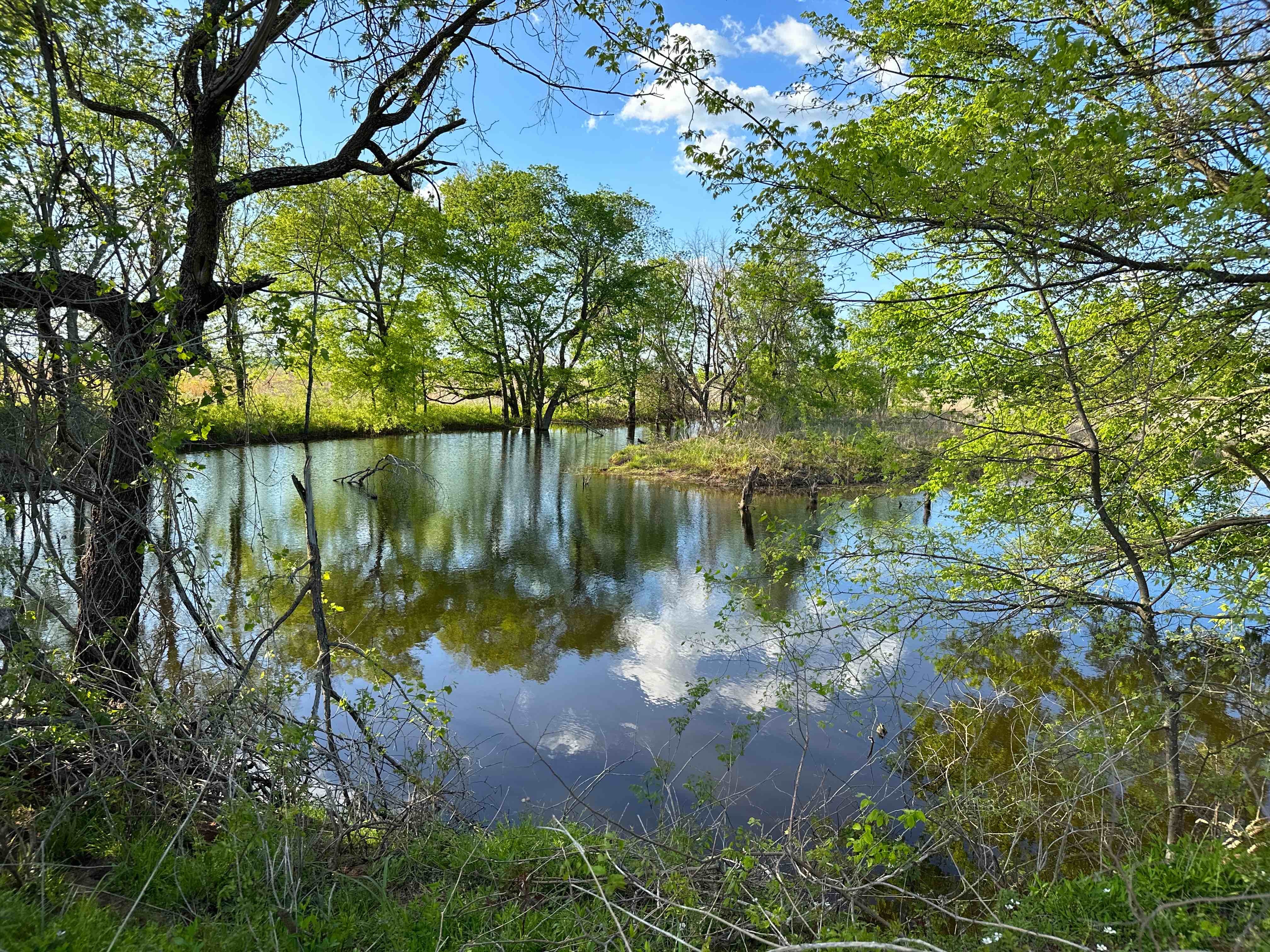
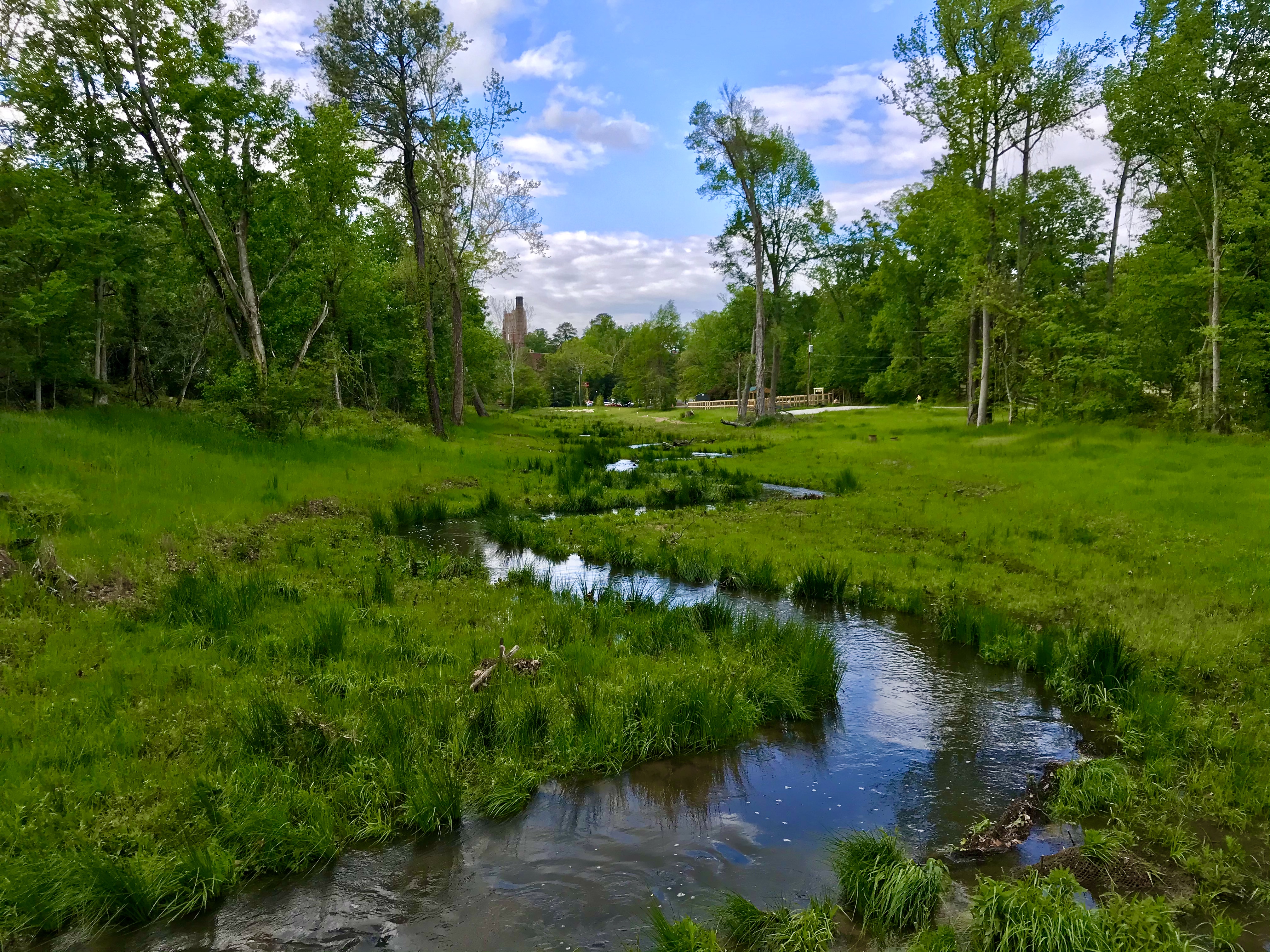
Wetland and stream work: The plan enhanced 860 acres and preserved 965 acres of wetlands, along with more than 76,000 feet of coastal-region streams, improving water quality and ecosystem resilience.
-
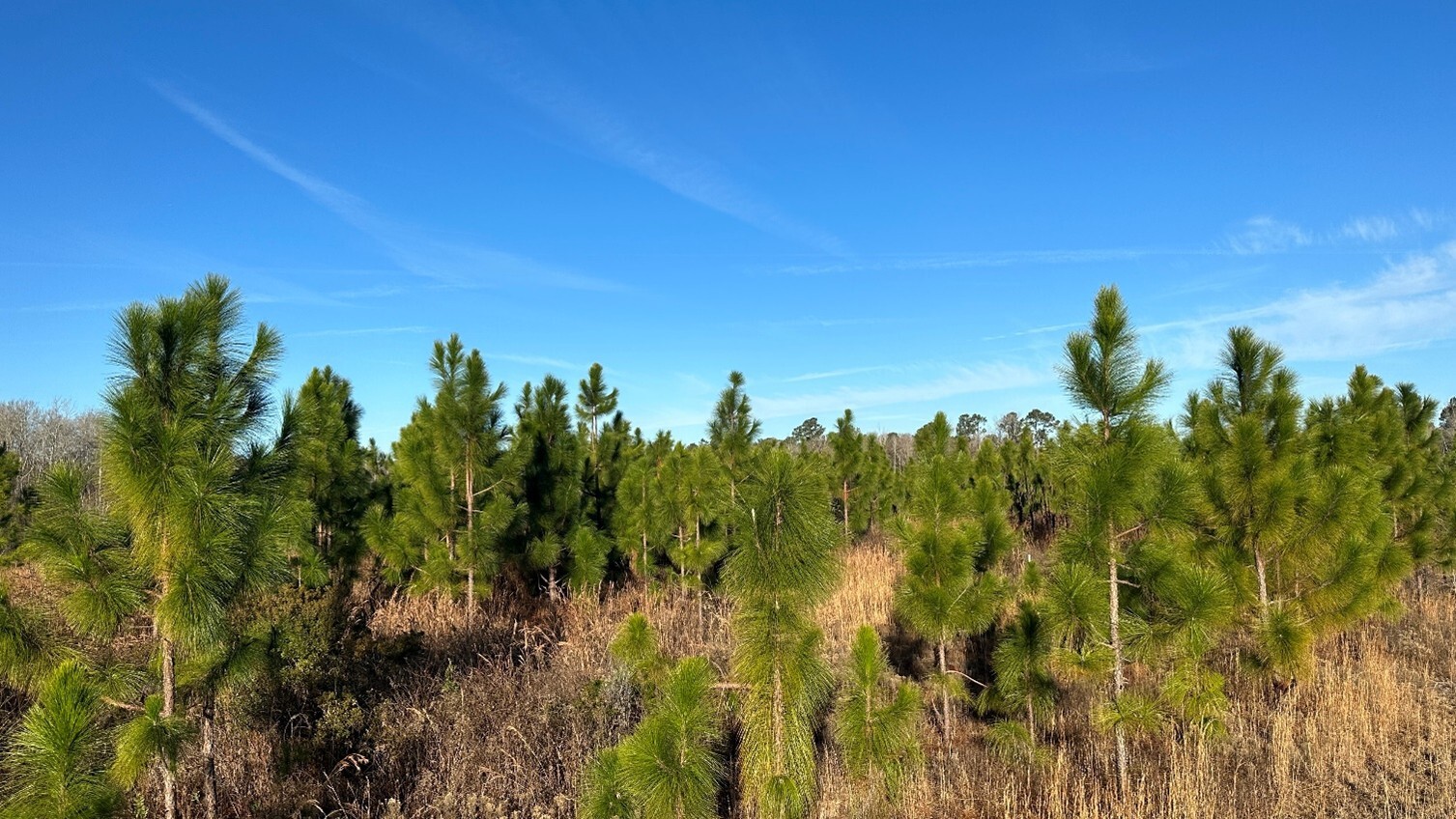
Native longleaf pine restoration: Previously degraded timberland was converted from commercial loblolly pine monoculture back to native longleaf pine savanna, restoring a fire-adapted ecosystem that once defined the region.
-
Habitat connectivity: By linking conservation easements to existing protected lands – the Francis Marion National Forest, the ACE Basin, and Audubon’s holdings – the project reinforced a greenbelt around Charleston and buffered critical habitat from urban sprawl.
-
Prescribed fire and ecological uplift: Controlled burns reintroduced natural fire cycles, giving native, fire-adapted plants and animals room to recover.
-
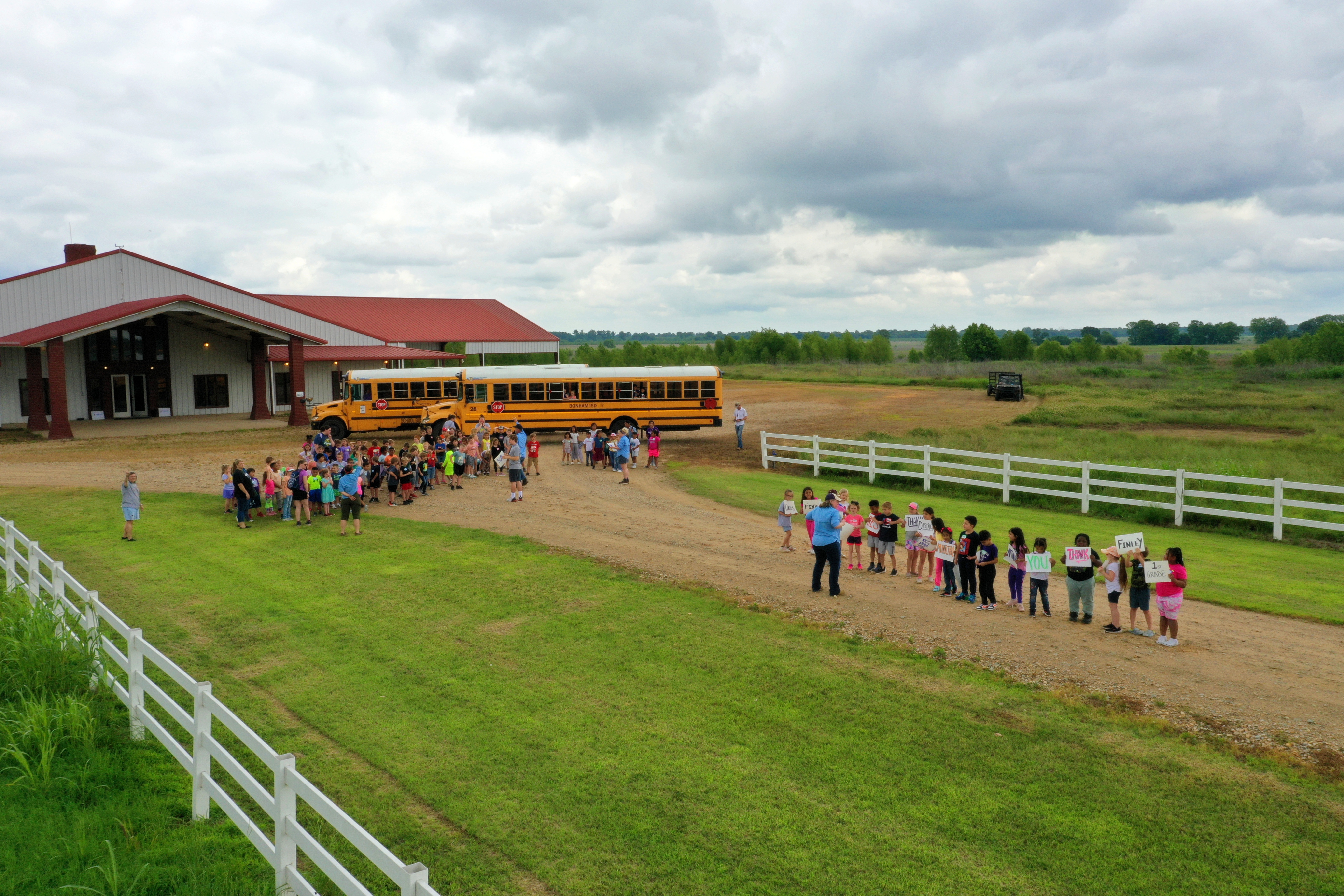
Local partnership and long-term stewardship: RES engaged local subconsultants for permitting, design, monitoring, and maintenance.
Conservation easements were placed with the Lowcountry Land Trust, and two properties were transferred to long-term stewardship: the Dean Swamp property, donated to Audubon, and the Bannister tract, deeded to the South Carolina Department of Natural Resources.
The Outcome
With a clear, executable mitigation plan in hand, the State of South Carolina and the Department of Commerce secured Volvo’s investment. The project advanced without permitting delays. Today the Volvo manufacturing plant operates outside Charleston, along Interstate 26, and the conservation network built to make it possible continues to work for the watershed, held in trusted local hands for the long term.
Download the full RES Volvo South Carolina Case Study
What This Means for Your Project
The mitigation strategy did more than clear a permit. It removed the uncertainty that had Volvo looking at Georgia, and it left behind a durable conservation asset for the Charleston region. Compliance became a competitive advantage.
Whether you’re siting a data center, a utility corridor, or an industrial facility, the same lessons hold. Certainty and speed are what give regulators and investors the confidence to move forward.
-
Mitigation can make or break a project. Environmental permitting can derail even a strong opportunity. A sound mitigation strategy keeps the project viable and the timeline intact.
-
Early engagement is decisive. Had South Carolina waited to bring in a mitigation partner, Volvo may have chosen Georgia. Aligning early preserves momentum and reduces risk.
-
PRM offers flexibility at scale. When standard off-the-shelf mitigation credits fall short, a custom permittee-responsible mitigation approach can deliver scale, compliance, and speed in tandem.
-
A clear path to permitting accelerates execution. A proactive mitigation plan signals to regulators and investors that the project is ready to move — and readiness attracts investment.
Facing permitting uncertainty or site-readiness questions on a large-scale project? The right mitigation plan could be what unlocks your next project.
Request a large-scale site mitigation assessment →
READ NEXT → How private companies are putting wetlands back onto the landscape