What "Water Positive" actually means, and why most companies get it wrong
"Water positive" has become a sustainability goal for major developers and large-scale industrial projects, from data centers to manufacturing campuses. But the term is widely misunderstood. Most companies think it's about on-site water efficiency—using less water through fixtures, recycling, and conservation. It's not.
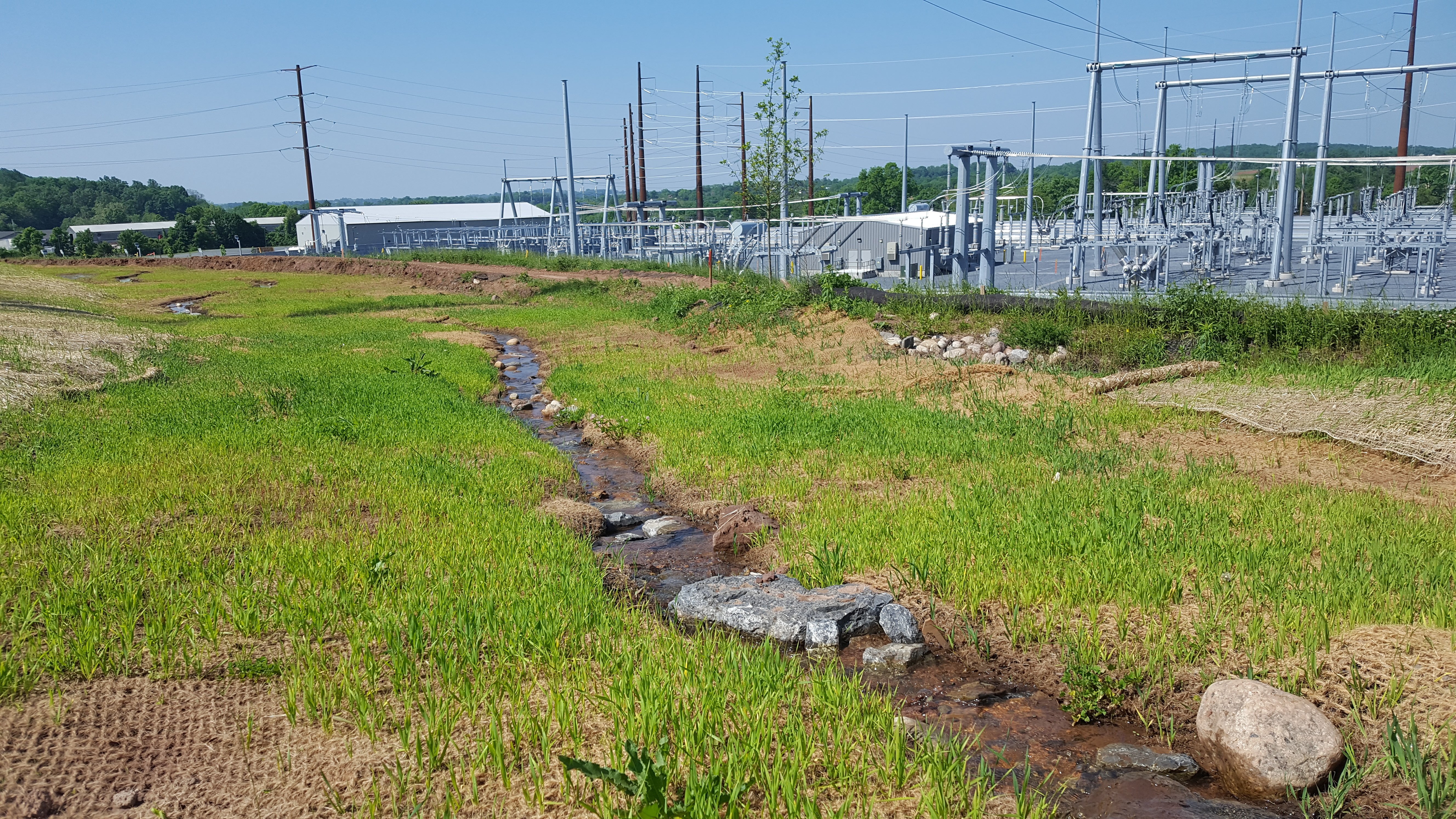
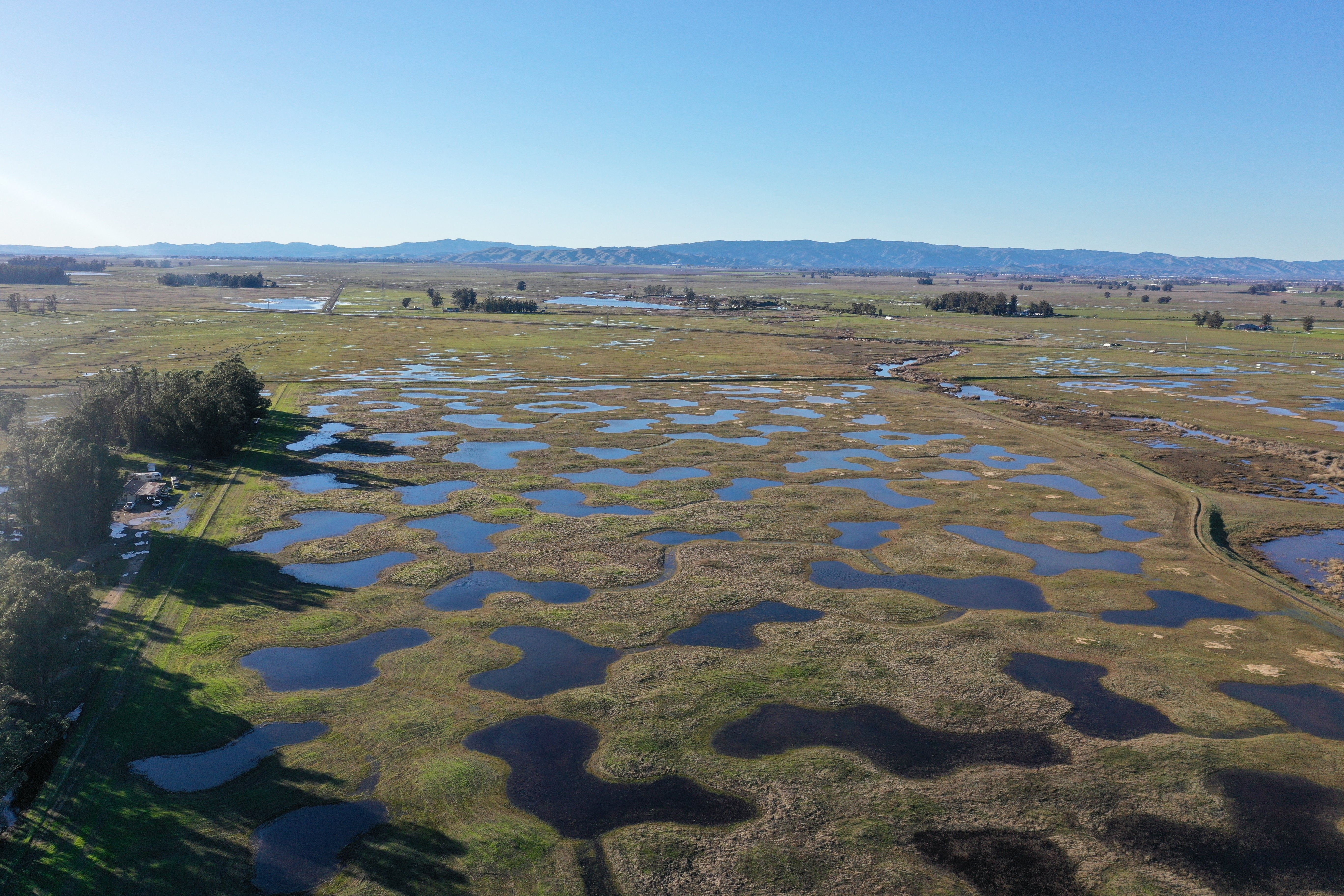
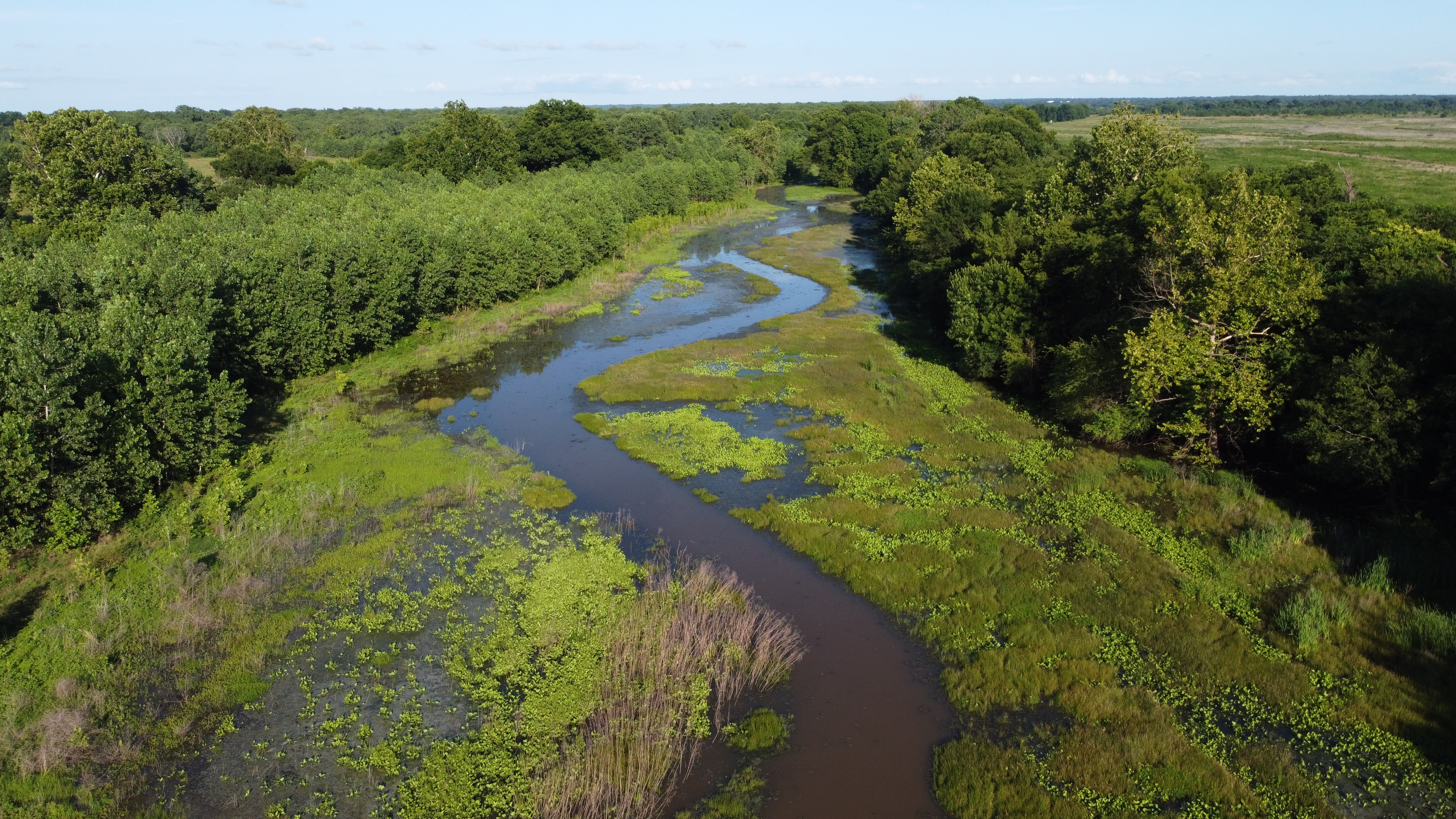
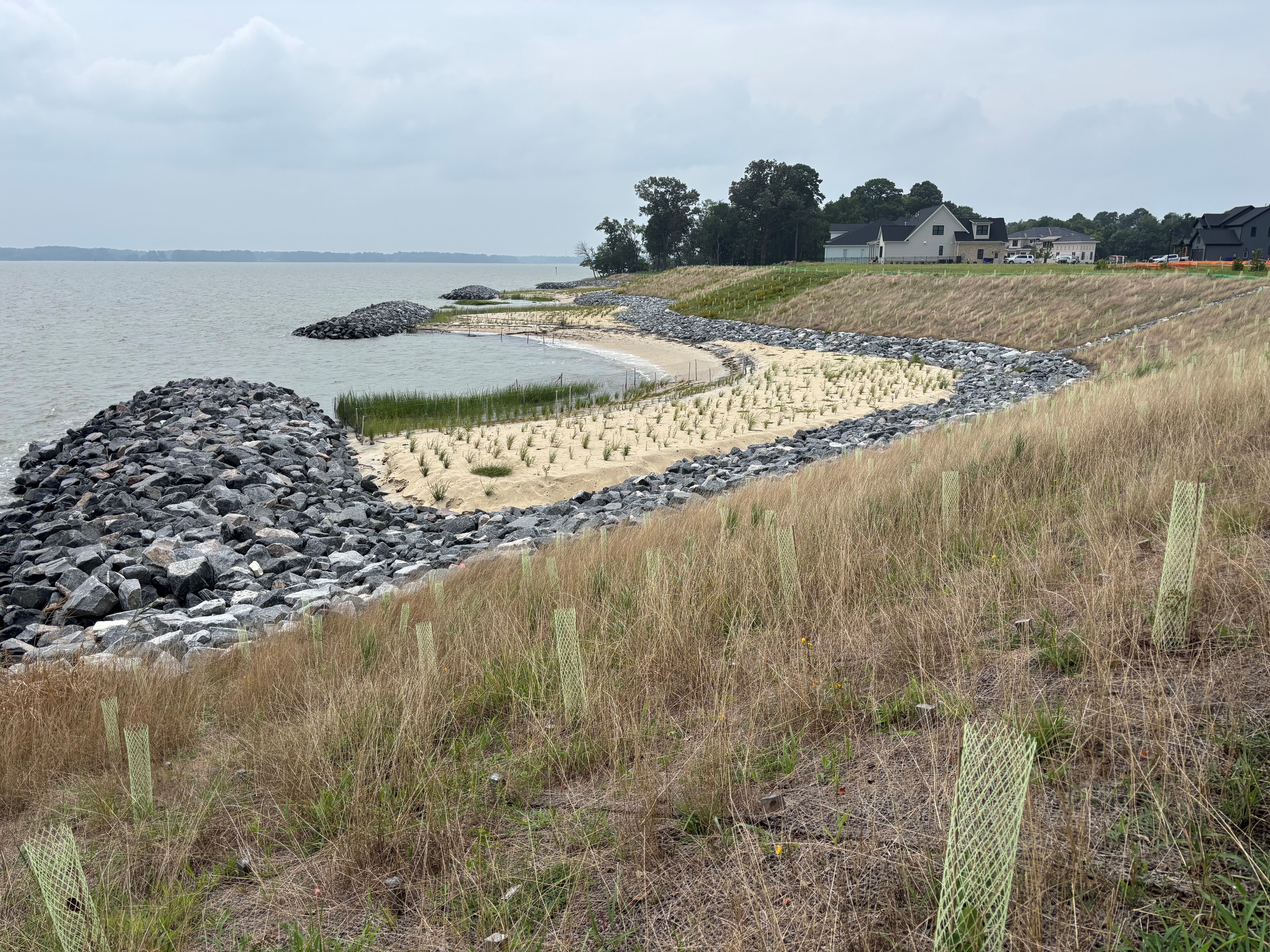
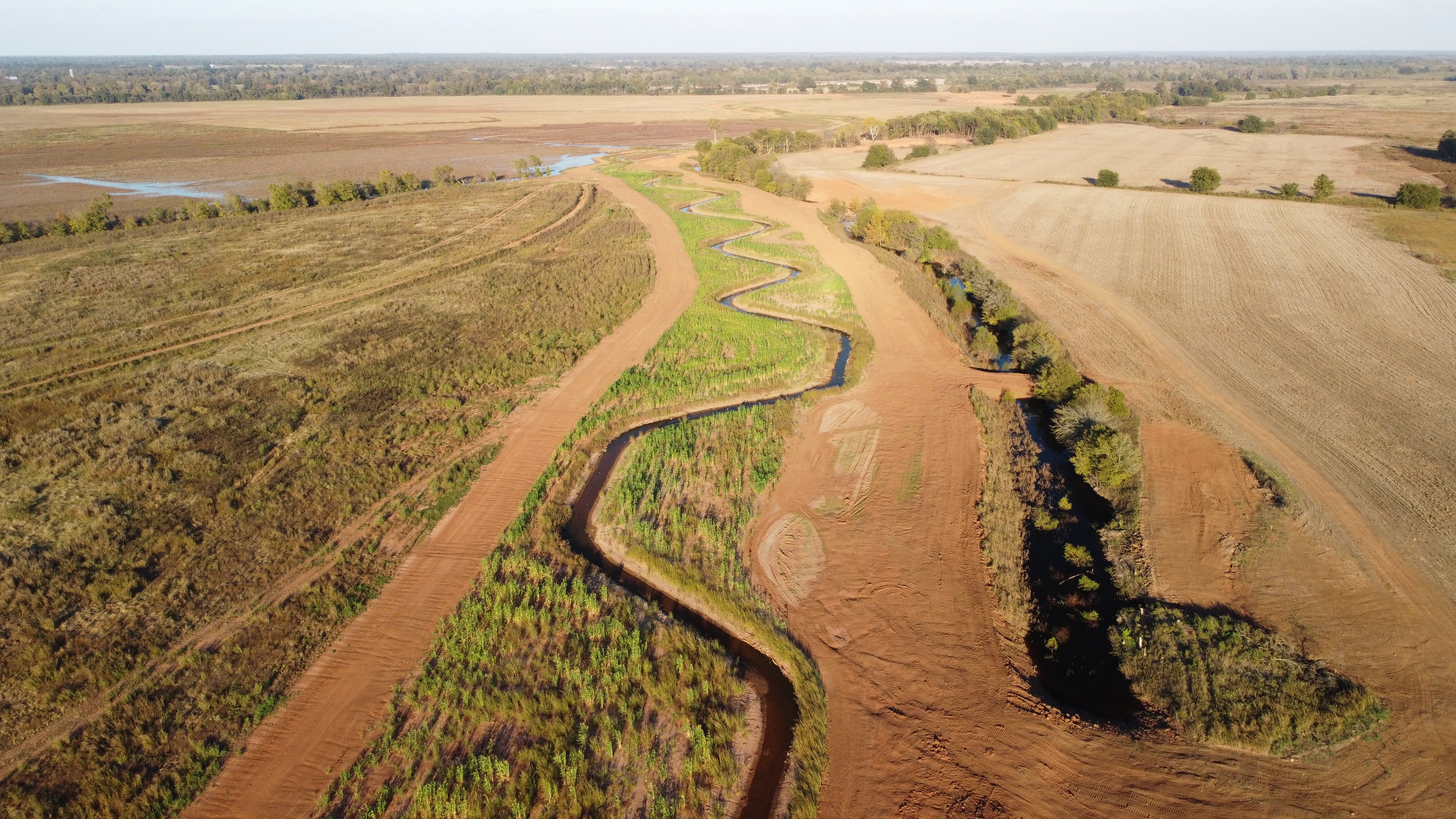
Being water positive means restoring more water to the environment than a facility consumes. That's a fundamentally different challenge. It requires looking beyond the property boundary to pursue watershed-scale restoration: stream restoration, wetland creation, and agricultural runoff reduction. A facility might reduce its own consumption to near zero and still not be water positive if it hasn't addressed the health of the watershed it sits in. As companies race to meet ambitious 2030 water stewardship commitments, this distinction matters—because greenwashing doesn't hold up under scrutiny.
What separates credible water-positive claims from aspirational ones? Independent, third-party verification. Rigorous, science-based confirmation is what gives a commitment real weight. For large-scale development, this verification is no longer optional—it's becoming the standard. Water positive, done right, is a measurable investment in healthier watersheds, backed by credible data and the accountability that comes with it.
In the video below, Tim Kelly, RES Director of Engineering, breaks down what water-positive actually requires and why watershed restoration is table stakes for credible 2030 commitments.
- Environmental Mitigation (48)
- Video (47)
- Natural Resource Restoration (37)
- Article (36)
- Landscape-scale Restoration (36)
- Species & Habitats (31)
- Water Quality (24)
- Resiliency (22)
- Texas (17)
- Virginia (16)
- California (15)
- Pennsylvania (15)
- Technology & Innovation (13)
- Regulatory (12)
- Water Quantity (12)
- Klamath (10)
- Research (10)
- Louisiana (9)
- Oregon (9)
- Procurement (9)
- Storymap (9)
- Nature-based Solutions (8)
- Florida (6)
- Presentation (6)
- Case Studies (5)
- Corporate Sustainability (5)
- Jon Kasitz (5)
- Bob Siegfried (4)
- Coastal Resiliency (4)
- Large-scale Development (4)
- Maryland (4)
- Urban Renewal (4)
- Dam Removal (3)
- Ecological Site Solutions (3)
- Mary Szafraniec (3)
- North Carolina (3)
- Stormwater Management (3)
- Studies & Reports (3)
- Bailey Wilfong (2)
- Bois Darc (2)
- Dylan Keel (2)
- Economic Development (2)
- Environmental Restoration (2)
- Federal (2)
- Flooding (2)
- Georgia (2)
- Illinois (2)
- Indiana (2)
- Justin Freedman (2)
- Matt Stahman (2)
- Milwaukee (2)
- Mine Reclamation (2)
- Mitigation credits (2)
- Podcast Audio (2)
- South Carolina (2)
- Stewardship (2)
- Tennessee (2)
- Volumetric Water Benefits (2)
- Water Stewardship (2)
- Webinar (2)
- Whitepaper (2)
- Wisconsin (2)
- Alabama (1)
- Brandon Hall (1)
- Caitlin Burke (1)
- Carpentersville Dam (1)
- Conservation Bank (1)
- Data Centers (1)
- Desmond Duke (1)
- Innovation Leadership Program (1)
- Kathy Hoverman (1)
- Larsen McBride (1)
- Michigan (1)
- New York (1)
- North Dakota (1)
- Ohio (1)
- Patrick Daniels (1)
- Paul Braun (1)
- Robin Bedenbaugh (1)
- Solar (1)
- Suburban Chicago (1)
- Tree Planting (1)
- Wesley Hayes (1)
- West Virginia (1)
- August 2026 (3)
- July 2026 (5)
- June 2026 (3)
- May 2026 (2)
- April 2026 (4)
- March 2026 (1)
- February 2026 (3)
- January 2026 (2)
- December 2025 (1)
- November 2025 (1)
- September 2025 (2)
- August 2025 (3)
- June 2025 (1)
- May 2025 (3)
- March 2025 (3)
- February 2025 (2)
- January 2025 (20)
- December 2024 (10)
- November 2024 (31)
- October 2024 (7)
- August 2024 (2)