Environmental strategy is no longer a compliance obligation. It is your competitive advantage if you get the timing right.
Data center delays were not supposed to happen. You have capital. You have power. You have demand from hyperscalers fighting over capacity. Yet projects across the industry are stalled, not for weeks, but for months or years.
The cause is not capital. It is not compute demand. It is community opposition tied to water, land, and environmental impact, and the problem is growing faster than most developers expected.
What is different now is that this opposition is not a one-off act of activism. It is organized. It is bipartisan. It is increasingly sophisticated. More than 300 data center bills have been filed across 30 or more states, and moratorium proposals have reached core data center corridors including New York and Oklahoma. These are not fringe markets. This is where your capital is sitting idle.
Why past approaches failed
For decades, traditional data center development followed a familiar sequence: acquire land, announce the project, manage the backlash. By the time opposition organizes, your timeline is already at risk. Sustainability efforts, even strong ones, look like damage control. The result is 6 to 12 months added to your timeline, with all the cost escalation that entails.
Community sentiment now directly influences approvals and permitting. Regulatory expectations are expanding. Approval processes are less predictable and more politically influenced. The gap between what communities expect and what traditional development offers has become a project risk factor.
The timing shift that changes everything
What if environmental and community strategy was not something you addressed after project parameters were set, but before? Here’s what changes. Instead of fighting opposition that is already organized, you prevent it from forming. Instead of negotiating under pressure, you negotiate from a position of visibility and credibility. Instead of seeking mitigation sources after announcing impacts, you have already secured them.
The difference is timing. It is structural, not incremental.
In a proactive model, nature-based strategy is integrated before the public announcement. Community-facing benefits are visible from day one. Environmental commitments are measurable and credible. Stakeholders and regulators are enrolled early. By the time competing projects are still in the initial opposition phase, you are already in the permitting phase.
This is not environmental philosophy. It is a move toward schedule certainty. And in an AI-driven market where time-to-market is a competitive factor, schedule certainty is a significant advantage.
READ NEXT > Environmental due diligence for data center site selection: How early advisory prevents delays
Four integrated steps, one competitive approach
Environmental and community strategy comprises four integrated steps that work together to accelerate approvals and reduce the risk of delays.
Advisory services are the foundation. Early environmental assessment, covering site selection, regulatory pathway evaluation, water analysis, and mitigation strategy planning, converts complex risk into decision-ready insight before site selection is finalized. This determines which solutions you need and accelerates everything that follows.
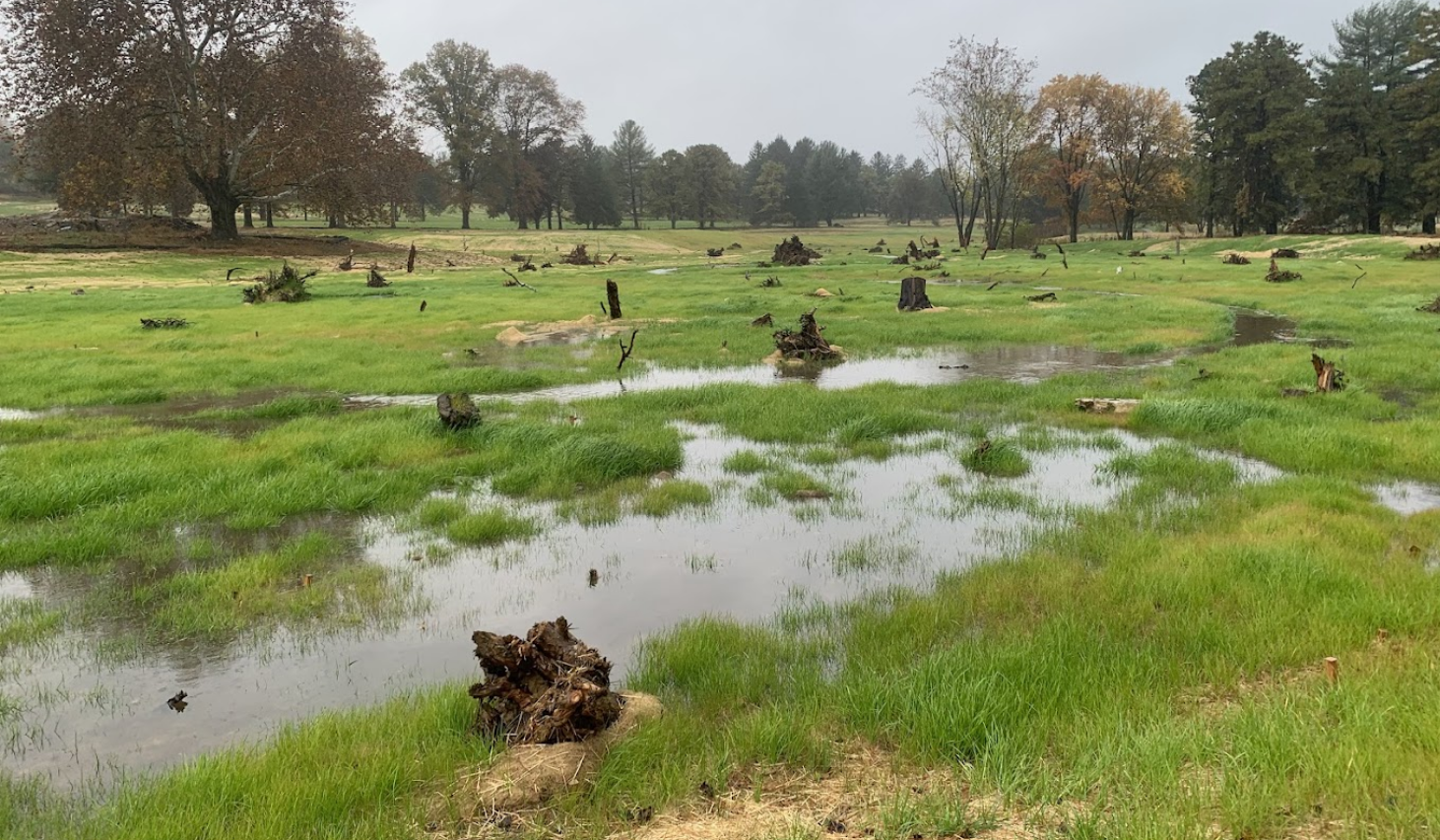
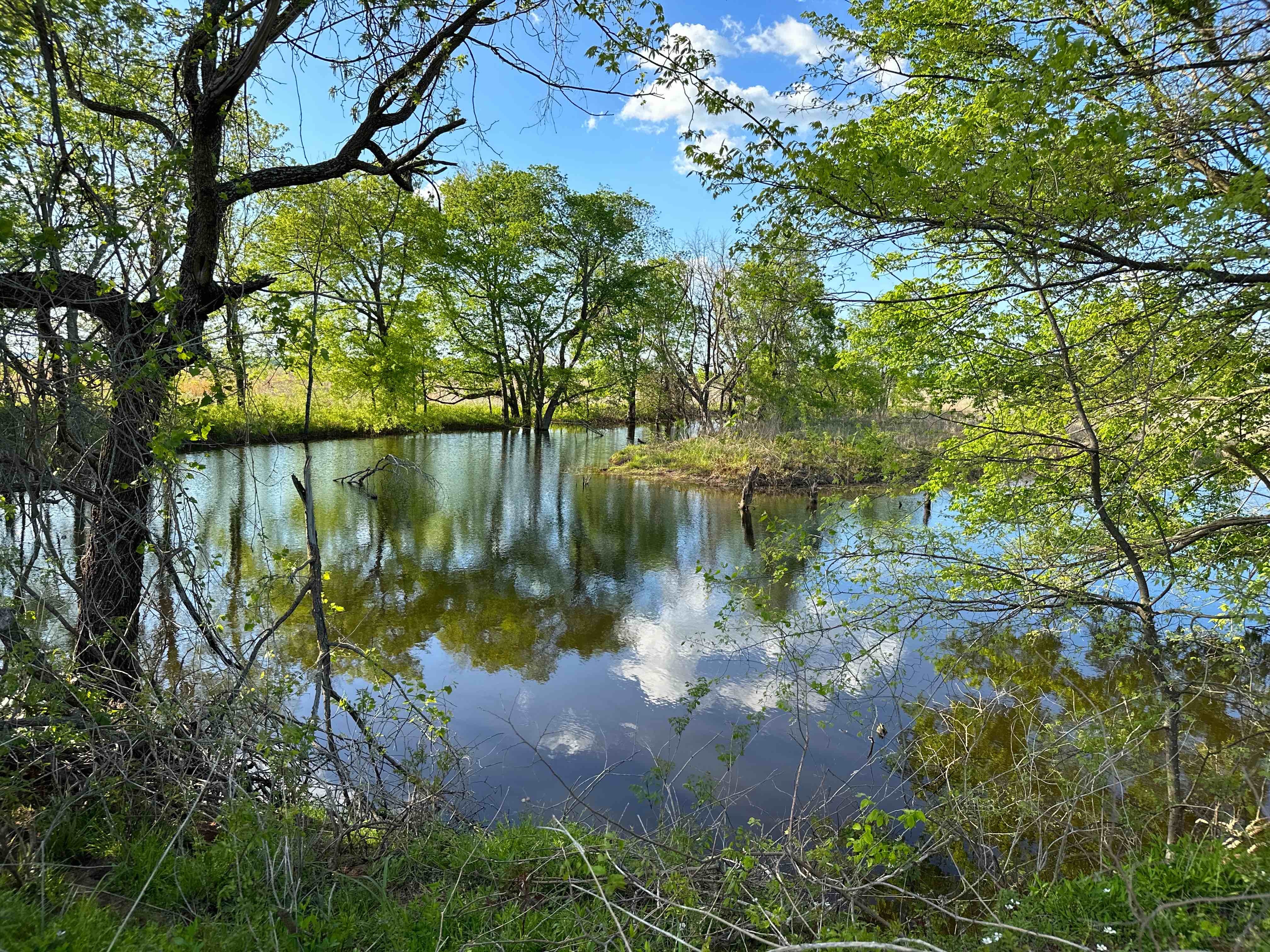
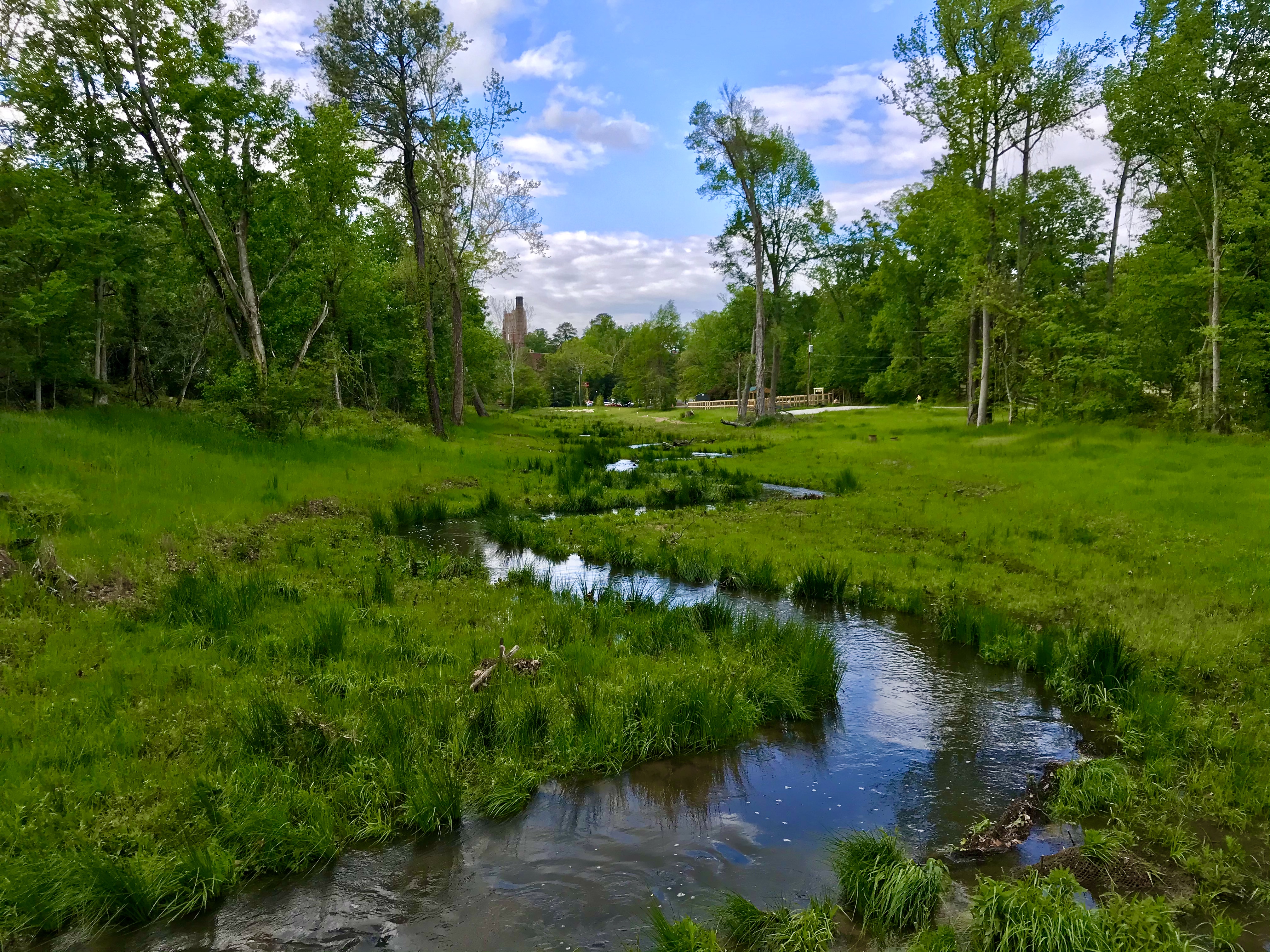
 Ecological Site Solutions (ESS) transform the exterior of your facility into engineered ecological infrastructure that delivers visible community benefits from day one: native habitat, stormwater management, recreational access. This is how you turn what could be community opposition into community advocacy.
Water stewardship quantifies and verifies water replenishment through watershed-scale restoration. Communities are demanding transparency on water and power use. This approach turns water into a measurable asset, and the results are third-party verified, which adds credibility with regulators and local officials.
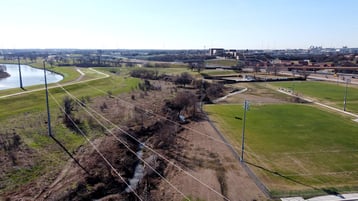 Environmental mitigation addresses regulatory requirements that cannot be avoided. When mitigation planning is integrated early into site selection, you secure pathways before constraints emerge. This converts regulatory obligations into schedule advantages.
The key is that these four work together. Early engagement with advisory assessment means everything that follows, including ESS design, water strategy, and mitigation planning, is informed and strategic rather than reactive. Early integration means fewer surprises, fewer delays, and a more predictable path to approval.
READ NEXT > Ecological site solutions for data centers: how site design builds community support
The real competition is not what you think
Leading hyperscalers and anchor tenants are embedding water stewardship and environmental performance requirements directly into site selection criteria and lease agreements. They want to know whether you can demonstrate verified water replenishment, whether you have documented environmental outcomes, and whether your nature-based strategy is credible to the community.
Developers who can answer these questions are attracting the anchor tenants that drive portfolio economics.
READ NEXT > Data center water usage: how verified water stewardship accelerates community approvals
Start earlier in the development cycle than you think
The difference between delayed and accelerated projects is not discovered during permitting. It is established during site selection and initial planning.
Site selection should include environmental due diligence: watershed risk, wetland presence, mitigation availability, community political context, and regulatory complexity. Not as a separate track, but as part of the core decision.
This seems obvious in retrospect. In practice, environmental strategy is still introduced after key development decisions have been made. At that point, options are limited, and timelines are already at risk.
READ NEXT > Wetland mitigation credits for data centers: how early planning becomes a schedule advantage
The insight to carry forward is this. Environmental strategy is no longer a reporting function. It is a development accelerator, and the most decisive variable is timing.
Ready to evaluate your site through this lens? Learn more about Nature-based Solutions for Data Centers in our Resource Center
FAQs
What causes most data center permitting delays?
Community opposition tied to water, land, and environmental impact, rather than capital or power availability. More than 300 data center bills have been filed across 30 or more states, and approval processes are increasingly politically influenced. RES typically sees 6 to 12 months added to the timeline when environmental strategy is completed after site selection.
When should environmental strategy be introduced in a data center project?
During site selection, before public announcement. Once land is secured and impacts are announced, mitigation options narrow and any sustainability commitment reads as damage control. Early integration means environmental assessment informs the site choice rather than contradicting it.
What are the four nature-based steps for data center development?
Advisory services, Ecological Site Solutions, water stewardship, and environmental mitigation. Advisory is the foundation that determines which of the other three matter for a given site. RES delivers all four with a single multidisciplinary team, which allows them to be sequenced rather than stacked.