The difference between a project people push back against and one they advocate for can come down to visible, tangible community benefits.
When ESS stops being landscaping
Ecological Site Solutions (ESS) are engineered ecological systems designed to serve development goals while delivering community benefits that are visible, measurable, and permanent.
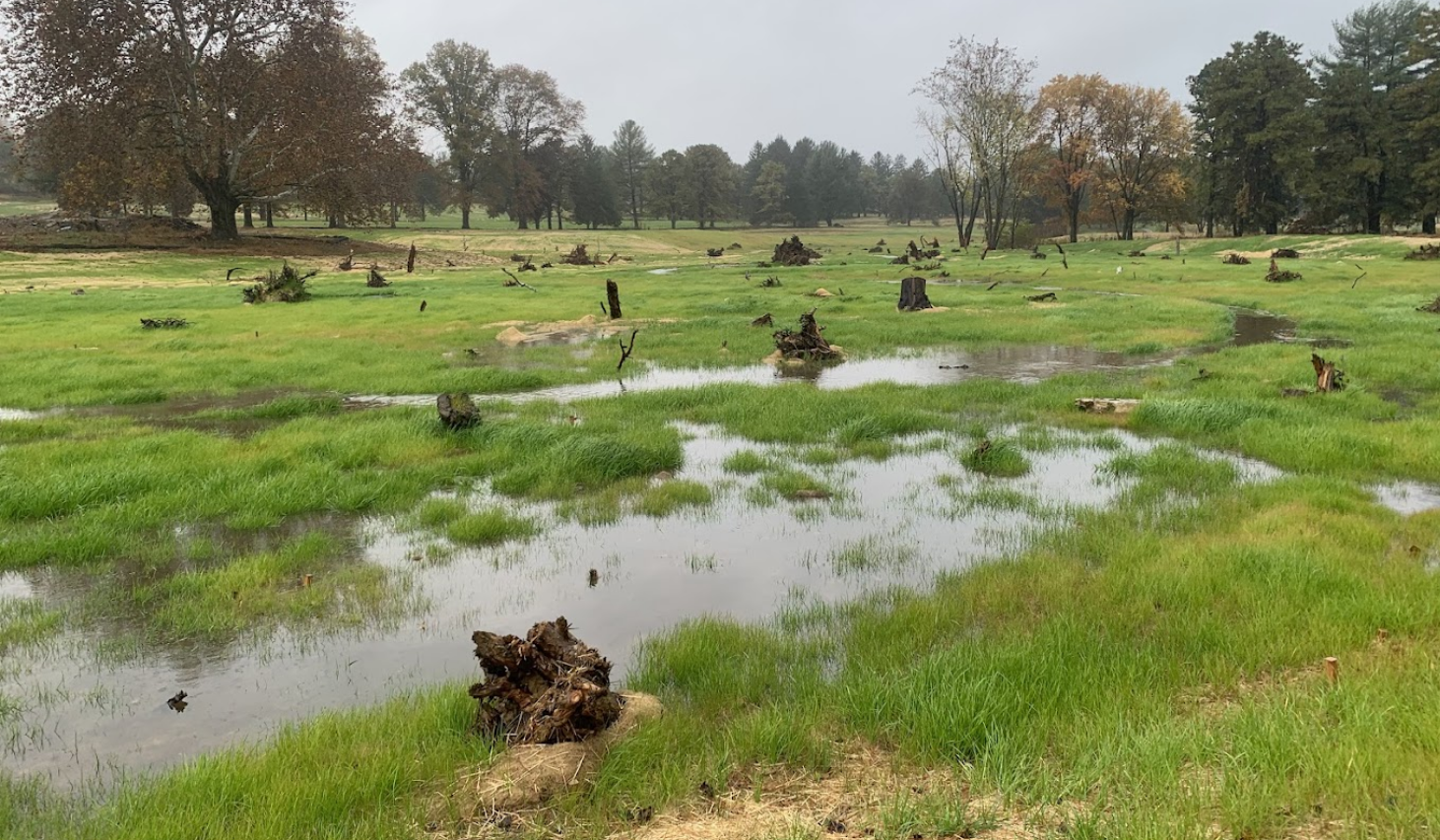
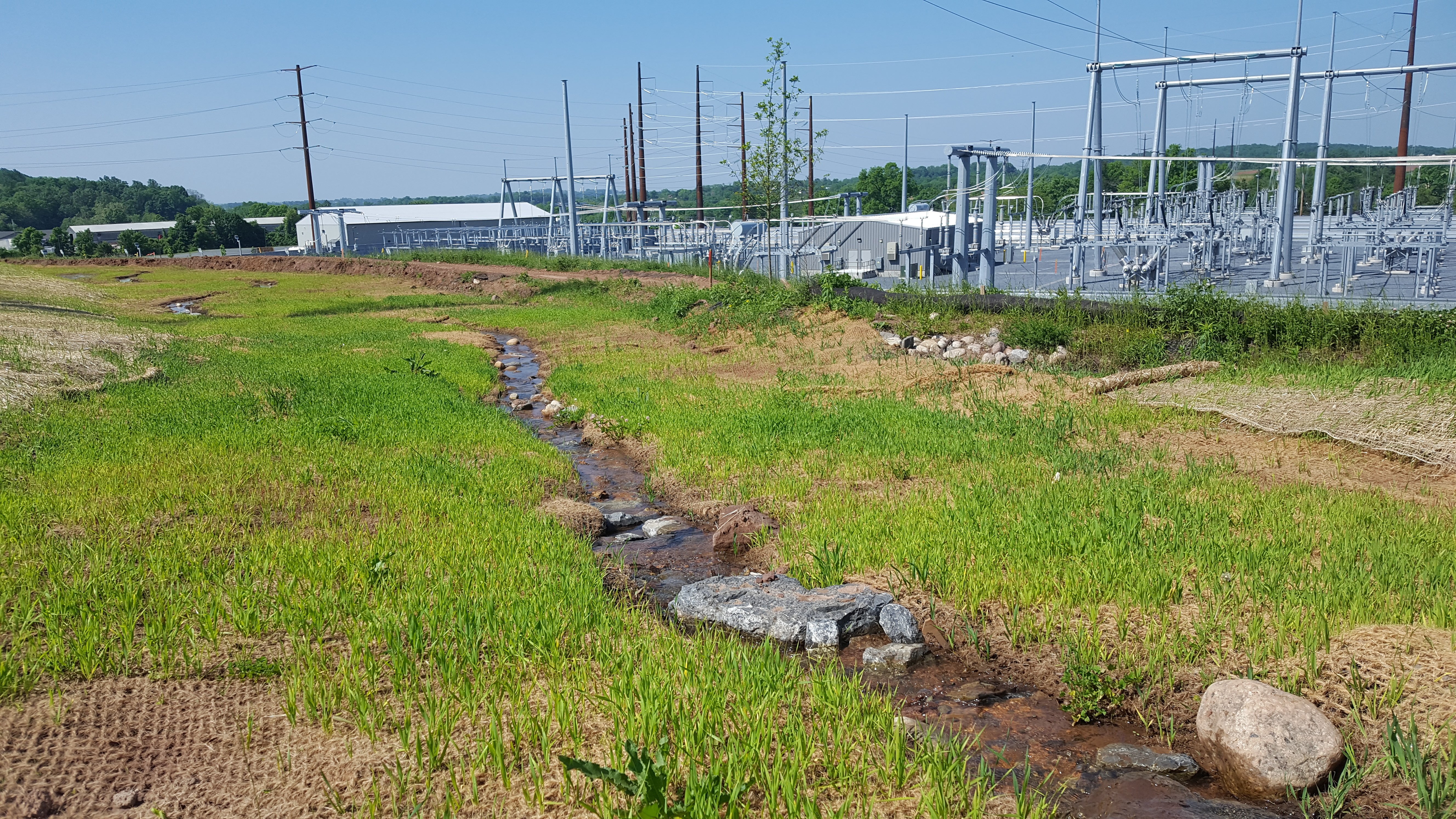
It is essentially the opposite of traditional landscaping. On-site ESS includes native vegetation, habitat corridors, natural water management systems, stream restoration, pollinator habitat, recreation trails, and carbon sequestration through the strategic establishment of forests and meadows. Every element serves a specific function: stormwater management, heat mitigation, biodiversity uplift, and community engagement.
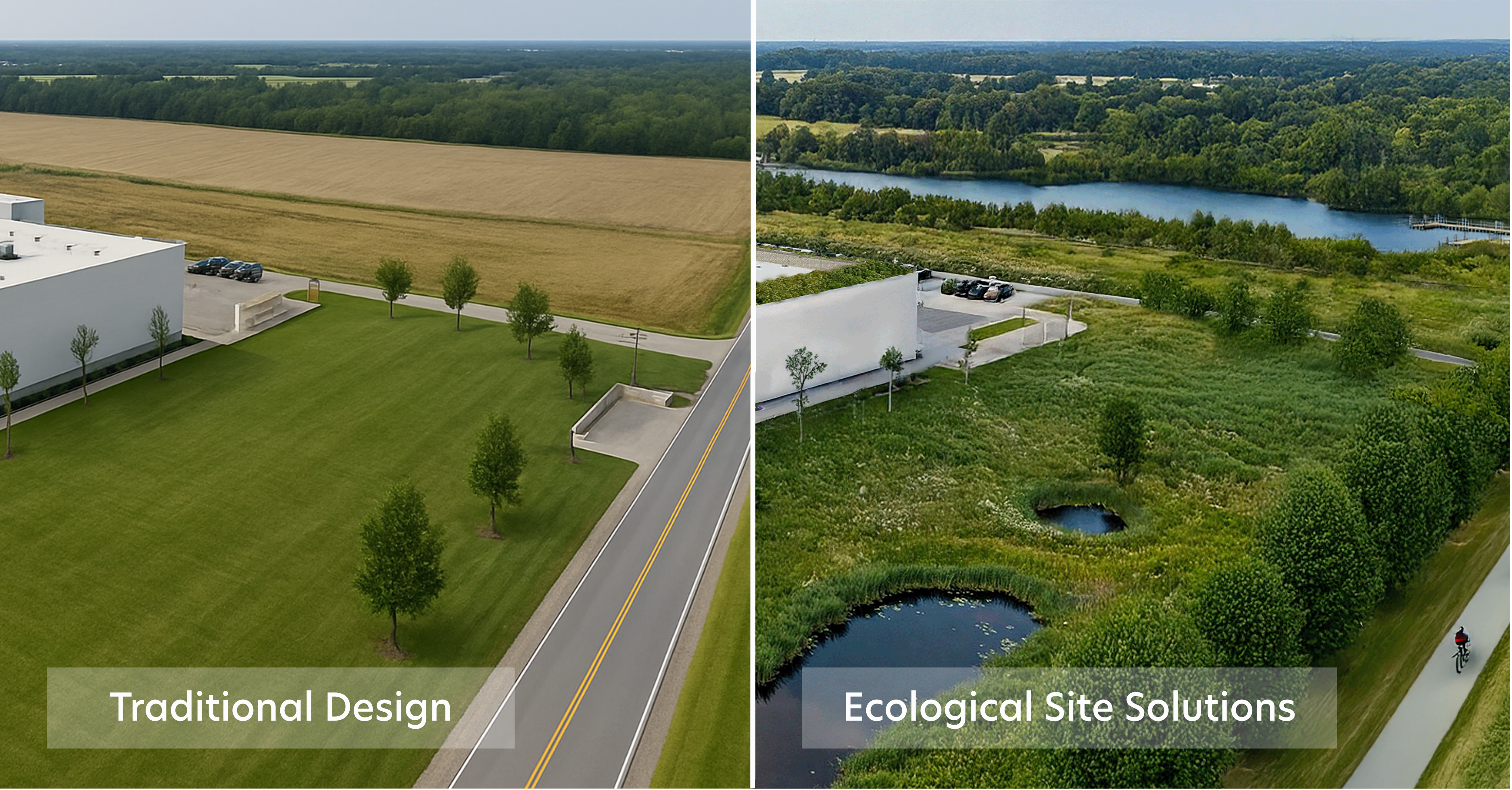
This distinction matters because traditional landscaping is invisible to most communities. It is mowed grass and ornamental plantings. ESS is infrastructure that communities can see, walk through, and understand as a genuine addition to their area.
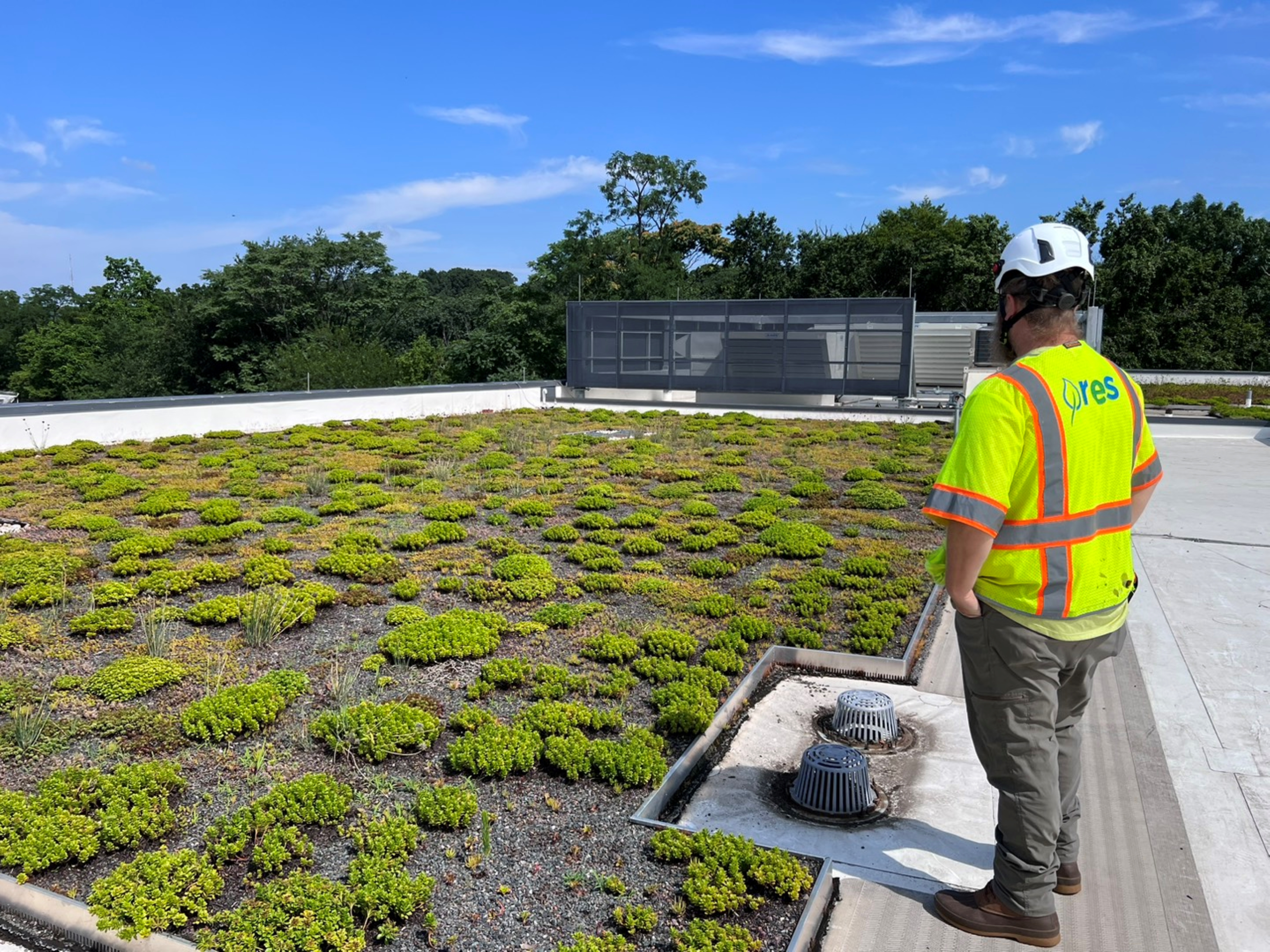
CASE EXAMPLE The Theodore Roosevelt Presidential Library in North Dakota illustrates this. Rather than treating ecological performance as an afterthought, RES integrated a 40-acre native landscape restoration and a 2-acre green roof directly into the design phase. Native plants were custom grown and genetically sourced for North Dakota’s harsh climate. Water management systems were built into the architecture. The result was a zero-waste landscape meeting SITES v2 Platinum certification, delivered on schedule, with ecological infrastructure that became part of the visitor experience.
.jpg?width=579&height=434&name=TRPL_Ground_June%202026%20(26).jpg)
The Theodore Roosevelt Presidential Library living roof.
The key insight is that when ecological design is embedded from the start, it demonstrates generous intent and neutralizes opposition before it can organize.
READ NEXT > Environmental due diligence for data center site selection: how early advisory prevents delays
How ESS becomes a community asset
The pattern across projects is consistent. When ESS is designed with forethought and the community in mind, communities notice and respond.
CASE EXAMPLE
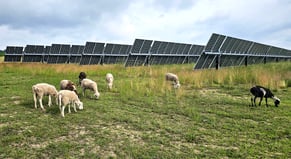 Mammoth Solar in Indiana did not just plant native species to check a permitting box. RES developed a comprehensive vegetation and soil management plan featuring native pollinator species, 13 miles of landscape screening, and tall-grass prairie habitat. The county and the community welcomed it. The project won Dual Use Plan of the Year at the North American Agrivoltaic Awards.
CASE EXAMPLE
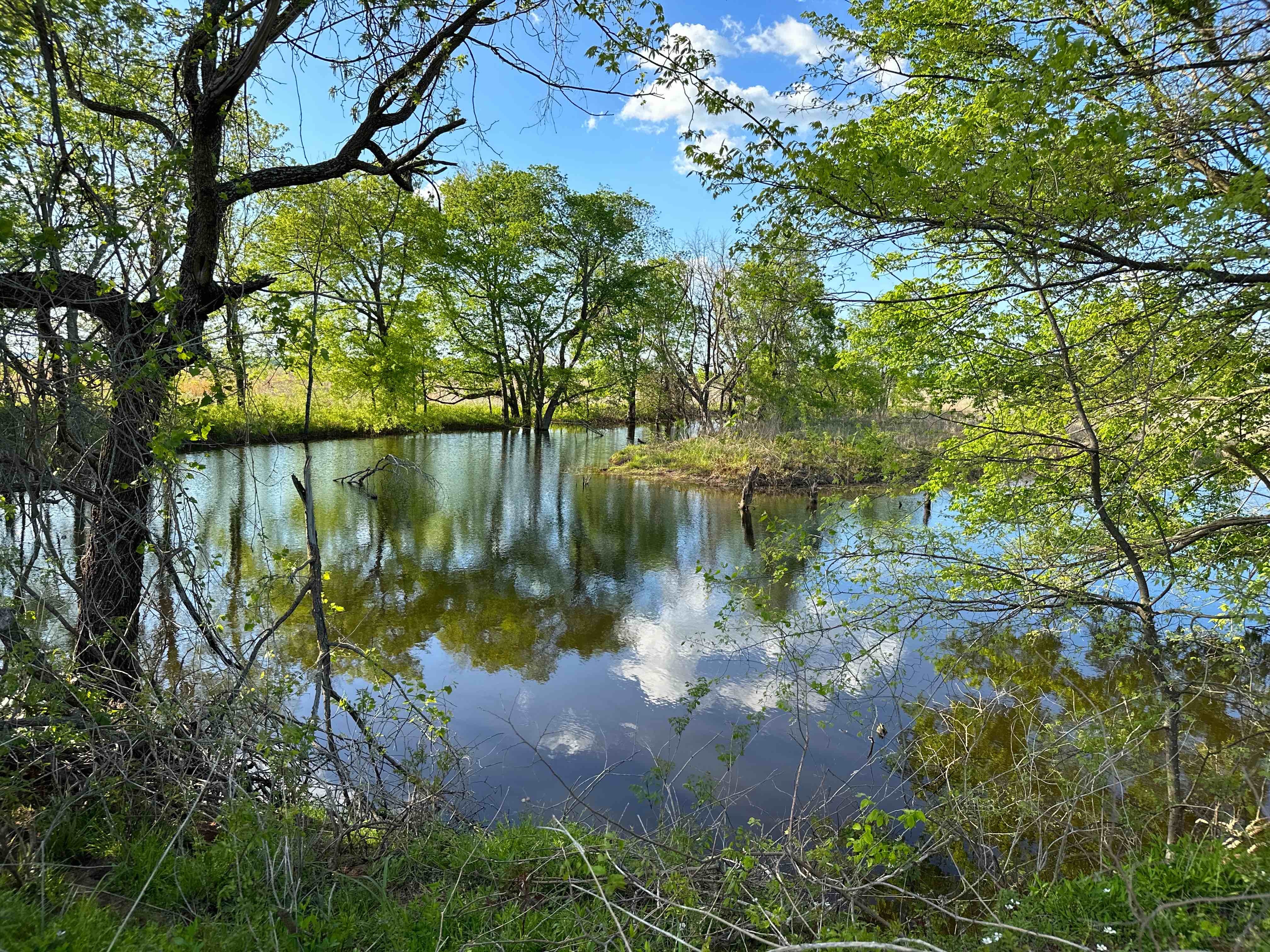
At the Mississippi River Museum in Iowa, 17,000 native plant plugs and 200 trees and shrubs were installed around a wetland. Museum visitors now walk through the restored habitat on boardwalks. It is not a compliance project. It is a living educational exhibit.
CASE EXAMPLE
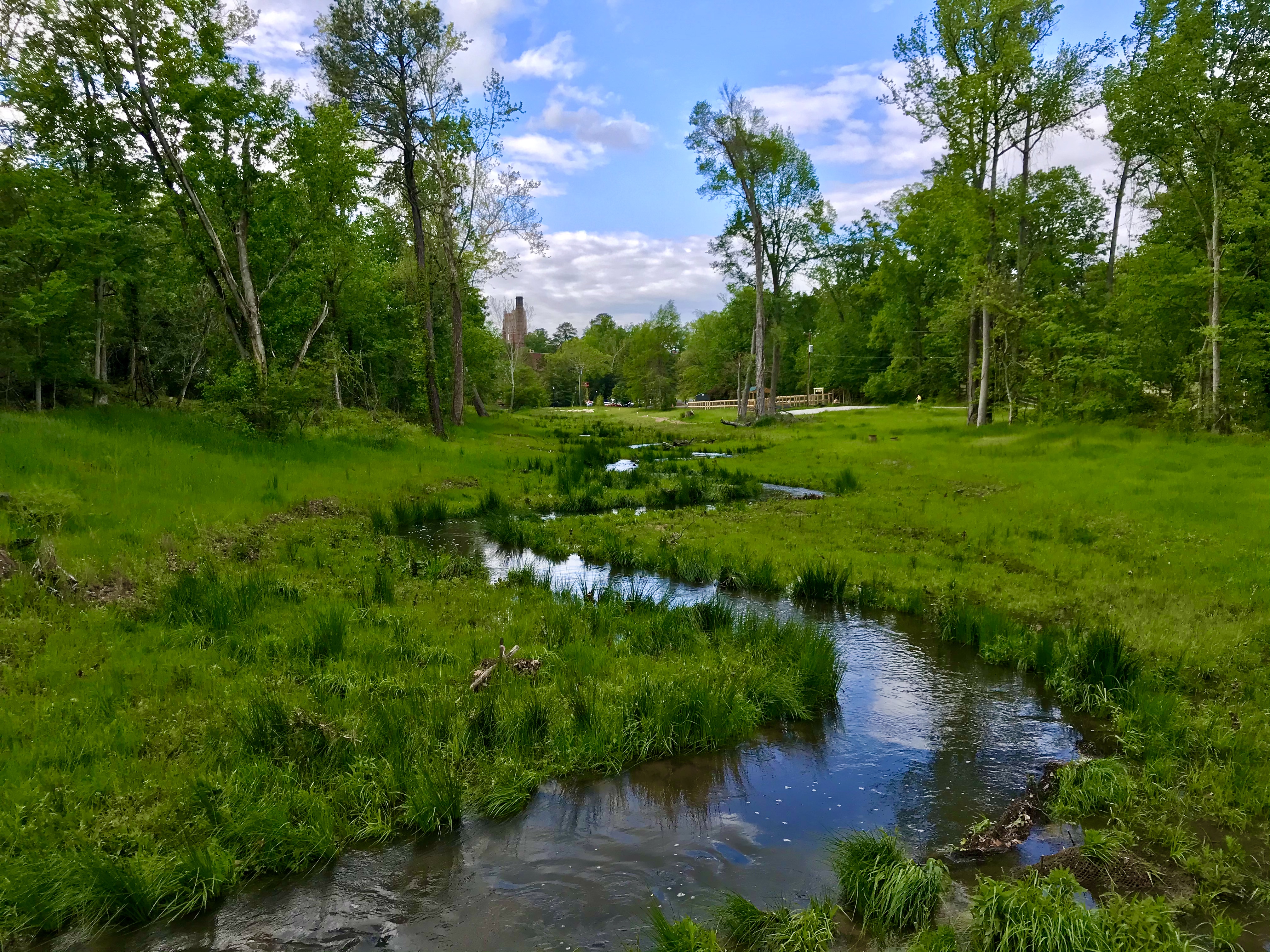
 The North Carolina Museum of Art restored 2,500 feet of eroded stream habitat, reconnecting floodplains and adding cobble riffles and woody debris. The community got a healthier watershed and a richer park experience.
READ NEXT > Wetland mitigation credits for data centers: How early planning becomes a schedule advantage
Cost efficiency and community support that justifies early integration
Hyperscale operators have run the numbers. A global hyperscaler undertaking portfolio-wide native habitat restoration across their data center facilities reports annual savings of $500 to $5,000 per acre compared with traditional landscaping. These are not one-time cost reductions – they are recurring operational savings from reduced irrigation, maintenance, and pest management.
Add stormwater management benefits and lower compliance costs, fire and drought risk reduction, and biodiversity uplift, and the business case is clear. ESS makes financial sense.
These operators didn’t do this because they had to. They did it because it makes business sense and because anchor-tenant requirements are making environmental performance non-negotiable.
ESS delivers these benefits only if it’s integrated early, ideally during the design phase and definitely before public announcement, rather than as an afterthought during permitting. When ecological systems are planned from the beginning, they are cheaper to build, more effective, and genuinely visible as community assets. When they are added late, they look like damage control.
READ NEXT > Data center permitting delays: how nature-based solutions accelerate approvals
How ESS supports your schedule
Visible community benefits lead to reduced opposition and greater stakeholder alignment.
When municipal officials see documented environmental benefits, they have credible political cover to vote for approval. When residents see a project designed to improve their local environment rather than extract from it, opposition tends to shift toward advocacy.
This alignment does not happen overnight. It requires ESS to be visible and credible from the moment the project becomes public, which is why ecological design must be integrated early in the development process rather than layered on after site selection.
READ NEXT > Data center water usage: How verified water stewardship accelerates community approvals
ESS works best alongside water stewardship and mitigation
Ecological site solutions are most powerful as part of a comprehensive strategy. ESS addresses community concerns and delivers visible benefits. Water stewardship, through verified watershed restoration, addresses water risk and regulatory requirements. Environmental mitigation, when planned early, removes permitting constraints and accelerates the schedule.
Integrated together, these three address every stakeholder concern at once: community, regulatory, and operational. ESS is often the most visible element, the part that builds community advocacy. It works best alongside proven water stewardship and early mitigation planning.
If ESS aligns with your site’s environmental context and community landscape, the most effective time to integrate it is before site selection is finalized.
Ready to explore ESS for your next project? See examples and get started.
FAQs
What is the difference between ecological site solutions and landscaping?
Landscaping is mowed grass and ornamental planting that most communities never notice. Ecological Site Solutions are engineered ecological systems where every element performs a function: stormwater management, heat mitigation, biodiversity uplift, or public access. RES defines ESS specifically as the on-site pillar of nature-based solutions.
Do ecological site solutions cost more than conventional landscaping?
Operators running portfolio-wide native habitat restoration report annual savings of $500 to $5,000 per acre versus traditional landscaping, from reduced irrigation, maintenance, and pest management. Those are recurring savings rather than one-time reductions.
When should ESS be designed into a data center project?
At the design phase, before public announcement. Early integration is cheaper to build and reads as intent. Late integration reads as damage control, which is the opposite of the effect you are paying for.