A Volumetric Water Benefit, or VWB, is a measurable volume of water returned to a watershed through restoration, quantified in defined units over time and confirmed by independent verification. When it comes to large-scale construction, a Volumetric Water Benefit is how a facility answers that concern with evidence rather than assurances.
What does it mean to be “water-positive”?
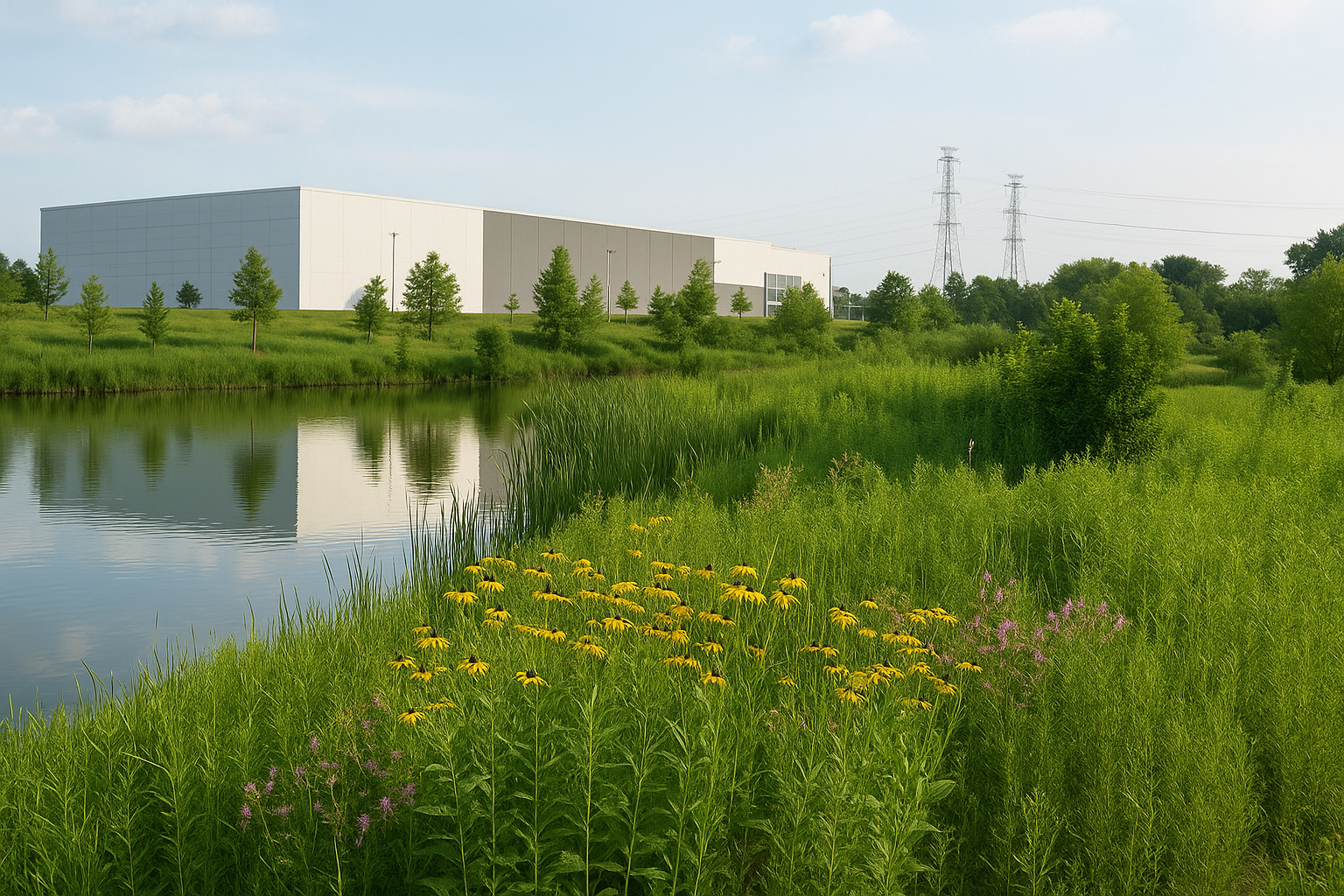
Water-positive does not mean using less water, being water-positive means restoring more water to the environment than a facility consumes in operation. On-site efficiency reduces a footprint, but it cannot replace what is drawn. The volume that closes that gap has to come from beyond the property line.
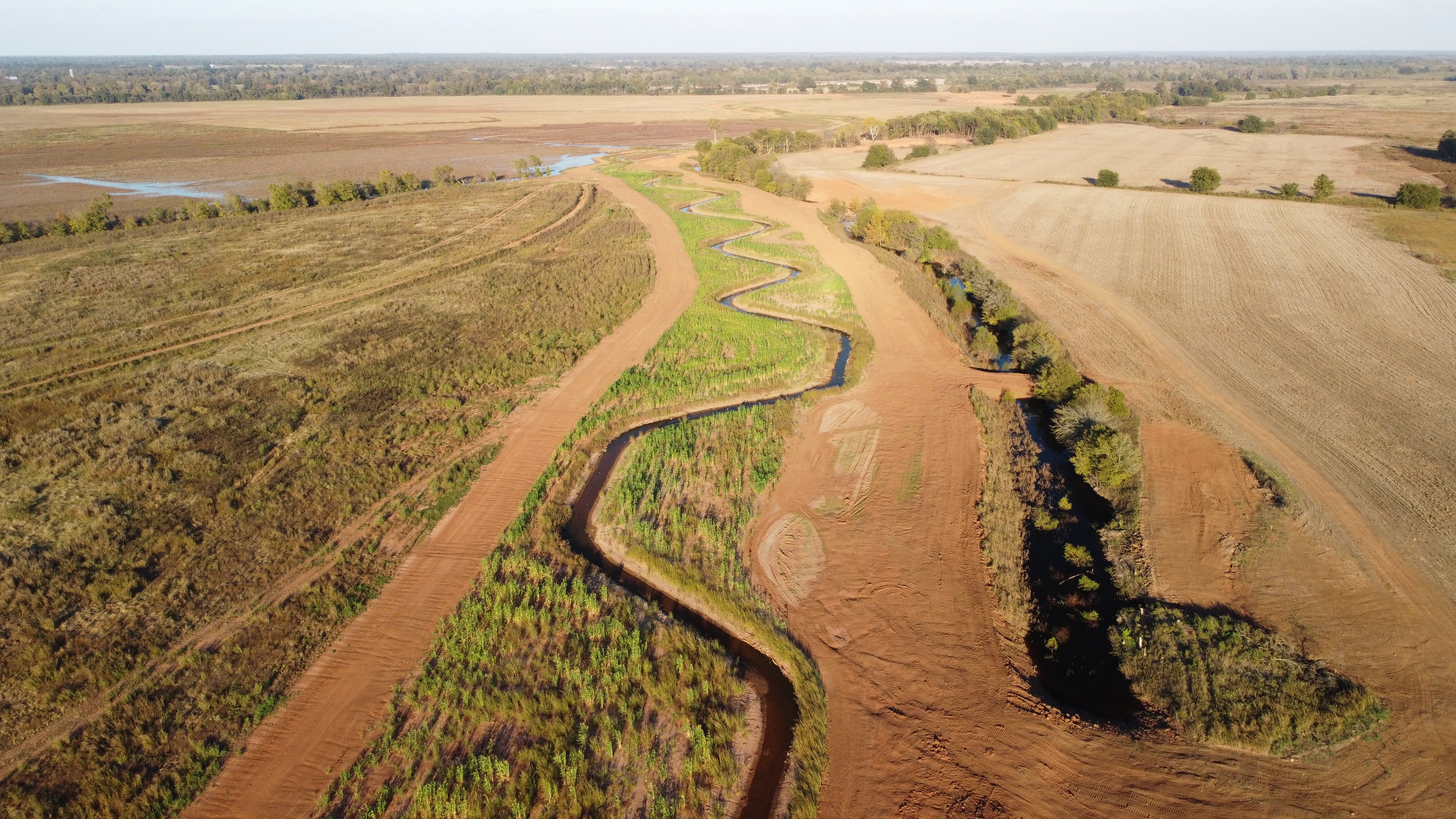
VWBs are not required by regulation; what they measure is entirely voluntary, not compliance-based. Companies generate VWBs to meet their own stewardship commitments, and because the benefit is expressed as a specific volume over a specific period, it can be tracked rather than asserted. The work happens at watershed scale, where RES land teams secure suitable ground, on-site or off-site private land, and then design projects that slow water across the topography, so it collects and recharges the aquifers that a community depends on. RES will actively tailor the project design criteria to the watershed issues.
DOWNLOAD WHITE PAPER> Ecological Considerations for Sustainable Data Center Development
Why is independent verification the backbone?
A project cannot count toward a water-use commitment simply because it benefits the watershed. The benefit must be quantified using an accepted methodology and expressed in clear units over time, which is the function of Volumetric Water Benefit Accounting. These are not theoretical practices; they have been studied and applied for decades in programs such as the Chesapeake Bay Program, one of the largest water quality initiatives in United States history, and that research record is what makes a stewardship claim defensible. Independent third-party verification is the final safeguard, confirming the benefits are real, measurable, and transparently documented. For companies pursuing 2030 water commitments, accountability is now the standard.
READ NEXT> Why Nature-based Solutions are becoming essential for large-scale development
How are high-impact VWB projects identified?
Every watershed is different, so there is no universal hierarchy of project types. The process begins by understanding how water moves through the watershed, where water-related challenges are most acute, and which local conditions may support meaningful intervention. Potential projects are then evaluated for their anticipated water benefits, technical feasibility, long-term durability, and alignment with community and ecological needs.
Watershed science, engineering, and ecological expertise guide project selection and design. Projects must also produce benefits that can be credibly quantified, monitored over time, and independently verified. This place-based approach helps ensure that investments address the watershed’s specific needs and deliver measurable, lasting outcomes.
WATCH NOW> What types of projects generate VWBs?
VWBs mean goodwill for a community
Because they are voluntary, VWBs signal something a permit cannot. They show a company investing in the place where it operates, rather than only drawing from it. A well-designed program can return more water to the watershed than a facility uses, which builds trust in communities through its practical value. It helps mitigate community pushback, speeds up the permitting process, and converts a stewardship pledge into verified impact. For a sustainability leader weighing entry into a water-stressed region, a VWB program is one of the clearest ways to arrive as a partner from the start.
Planning a large-scale campus with water stewardship goals? Contact one of our water specialists for a free site assessment.
Ask RES: FAQs
Are Volumetric Water Benefits required by regulation?
No. VWBs are voluntary and are not compliance-based. Companies pursue them to meet their own water stewardship or water positive goals, which is part of why host communities tend to welcome them.
How is a Volumetric Water Benefit measured?
Through Volumetric Water Benefit Accounting, which quantifies the water returned to a watershed in defined units over a defined period using an accepted methodology, and then confirms it through independent third-party verification.
Which projects create the largest benefits?
Nature-based projects such as stream and floodplain restoration, aquifer recharge, agricultural improvements on working landscapes, and green stormwater infrastructure. A single well-sited project can support a large share of a company's annual water stewardship goal.