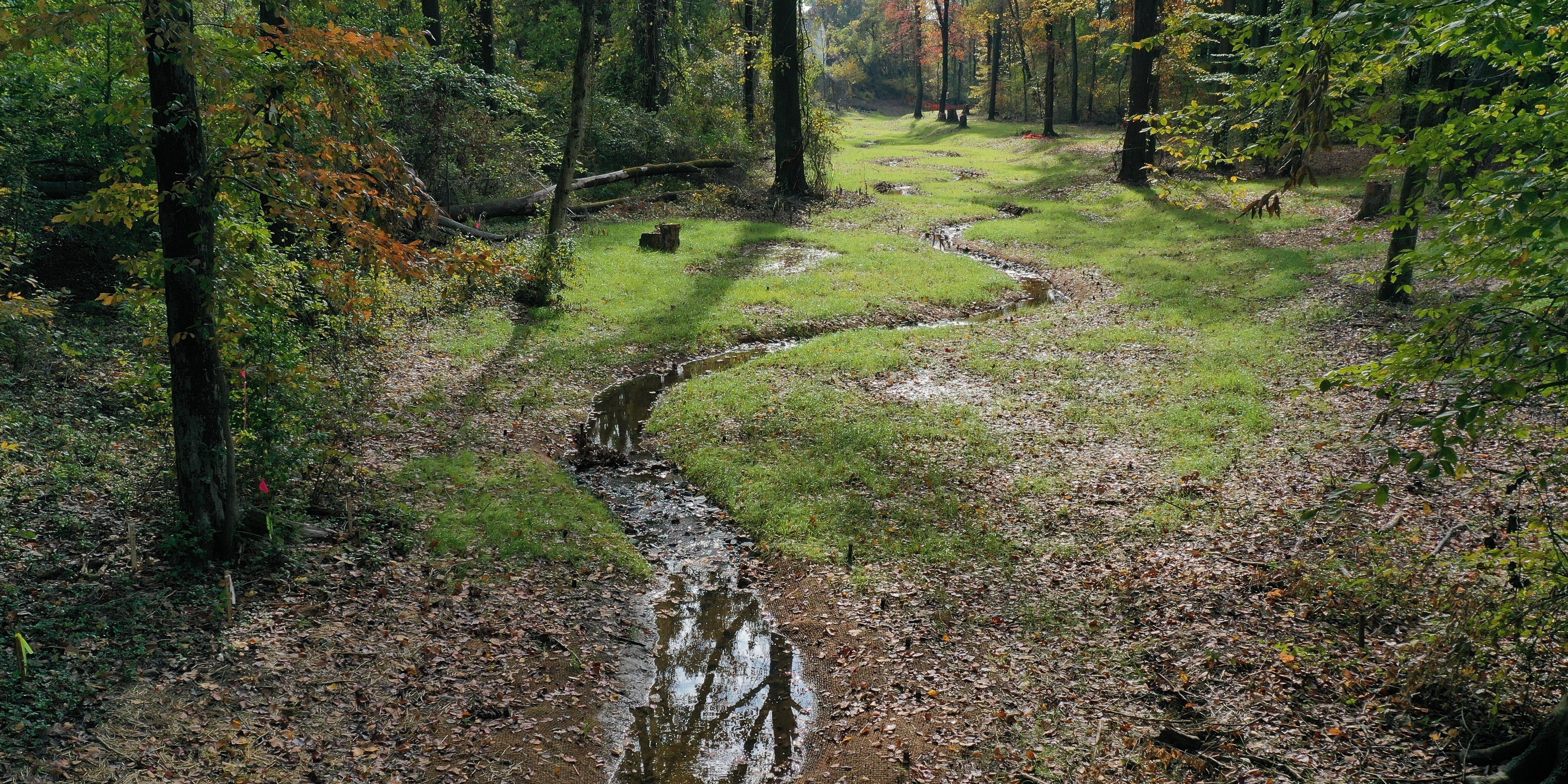
One Water is an approach to managing all water – drinking water, wastewater, stormwater, and natural surface and groundwater – as a single, connected resource rather than in separate silos. In practice, it means coordinating land use planning, water quality, and ecological restoration so that one project can deliver flood protection, cleaner water, and habitat at the same time. In Florida and beyond, public-private partnerships are emerging as a key way to fund and accelerate One Water projects.
Communities across the country are being asked to do more with the same water – protecting supply, meeting water-quality targets, and absorbing more frequent flooding, often with shrinking public budgets. The One Water approach treats these as one connected problem rather than three separate ones. In this compelling panel discussion on the future of water and energy resources, moderated by Eric Draper, Water Policy Consultant, City of Winter Haven, expert panelists Pete Sechler, GAI Community Solutions Group; Ansley Tilley, Keeli Carlton, Water Policy Program Manager, Seminole County; and Mary Szafraniec Ph.D., RES Director of Water Quality Initiatives, discuss how integrated planning and public-private partnerships are making large-scale water projects faster, cheaper, and more durable.
The session underscored the importance of breaking down silos between environmental, agricultural, and urban water needs to create holistic, “One Water” solutions.
Mary's presentation provided actionable insights on overcoming barriers to large-scale water quality and restoration projects. Here are the key takeaways from her segment:
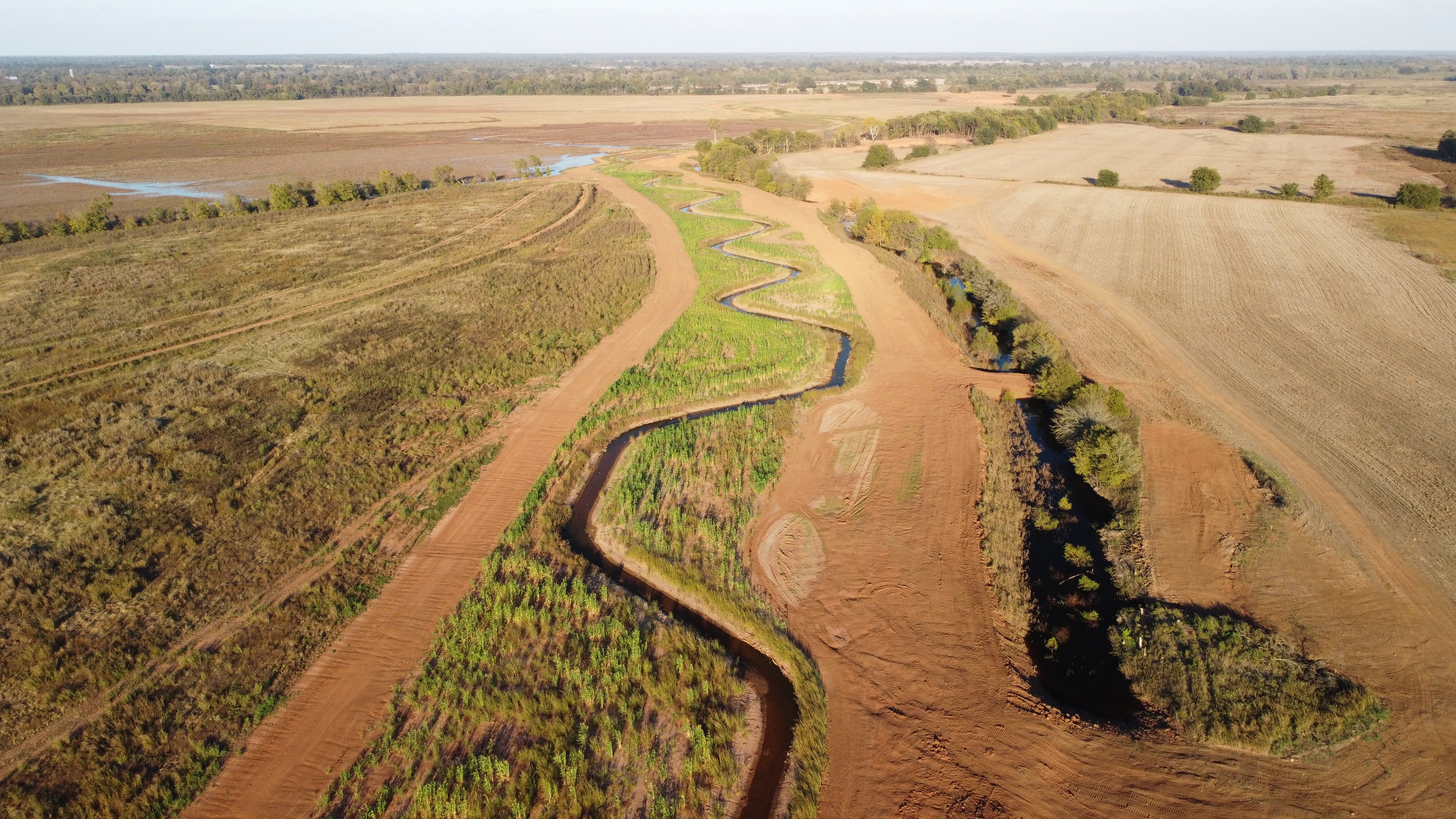
Public-Private Partnerships (P3s): Mary highlighted Florida’s unique legislative framework that allows P3s to expedite project timelines, mitigate risks, and leverage private funding for public benefit. She cited the Wilson Ranch project as a prime example, where a turnkey approach ensures nutrient reduction and long-term ecological success.
Integrated Delivery Models: Emphasizing efficiency, she advocated for alternative delivery approaches that combine planning, feasibility studies, and execution under one umbrella. This method reduces project costs by 30-40% annually and accelerates implementation.
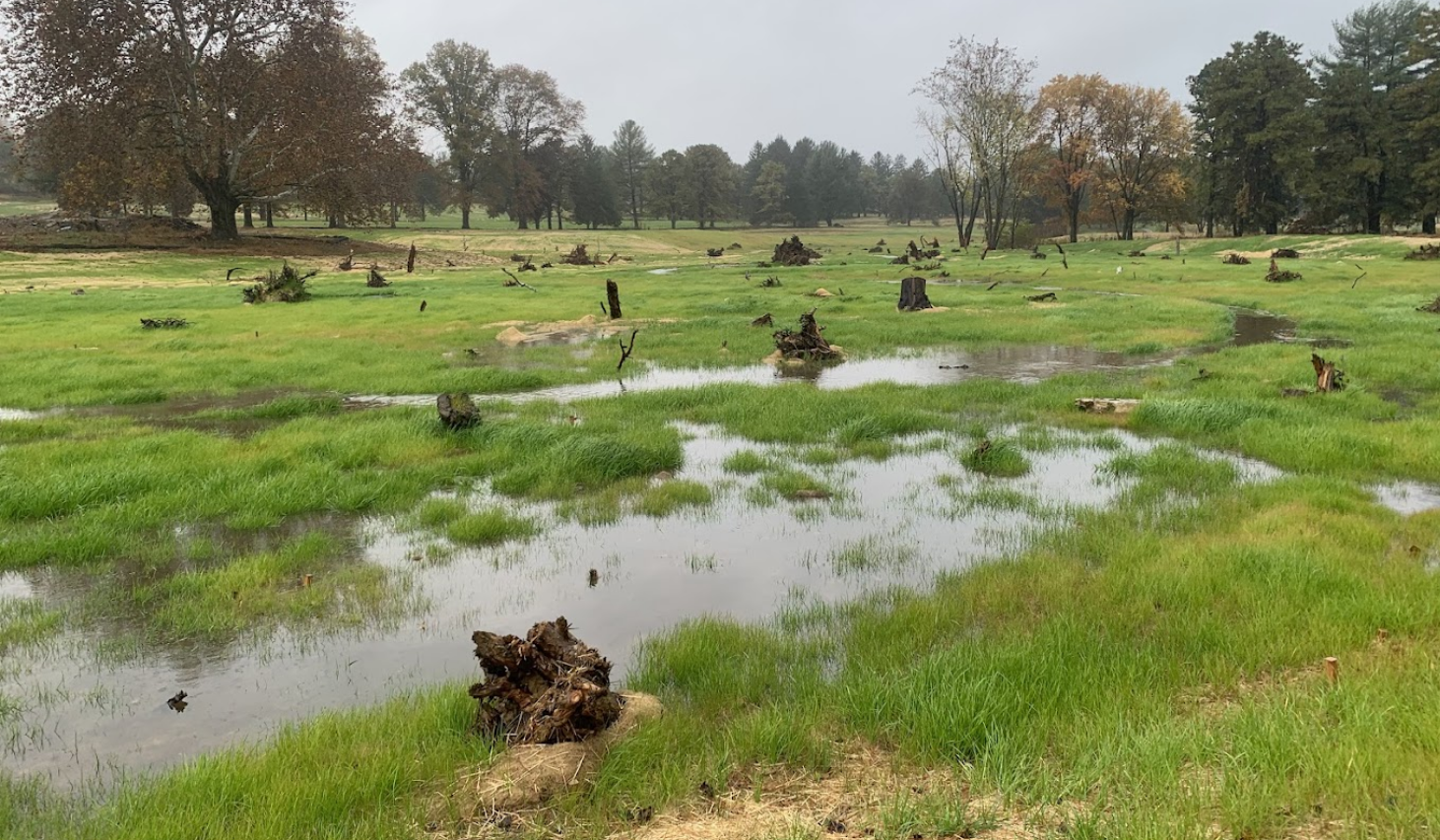
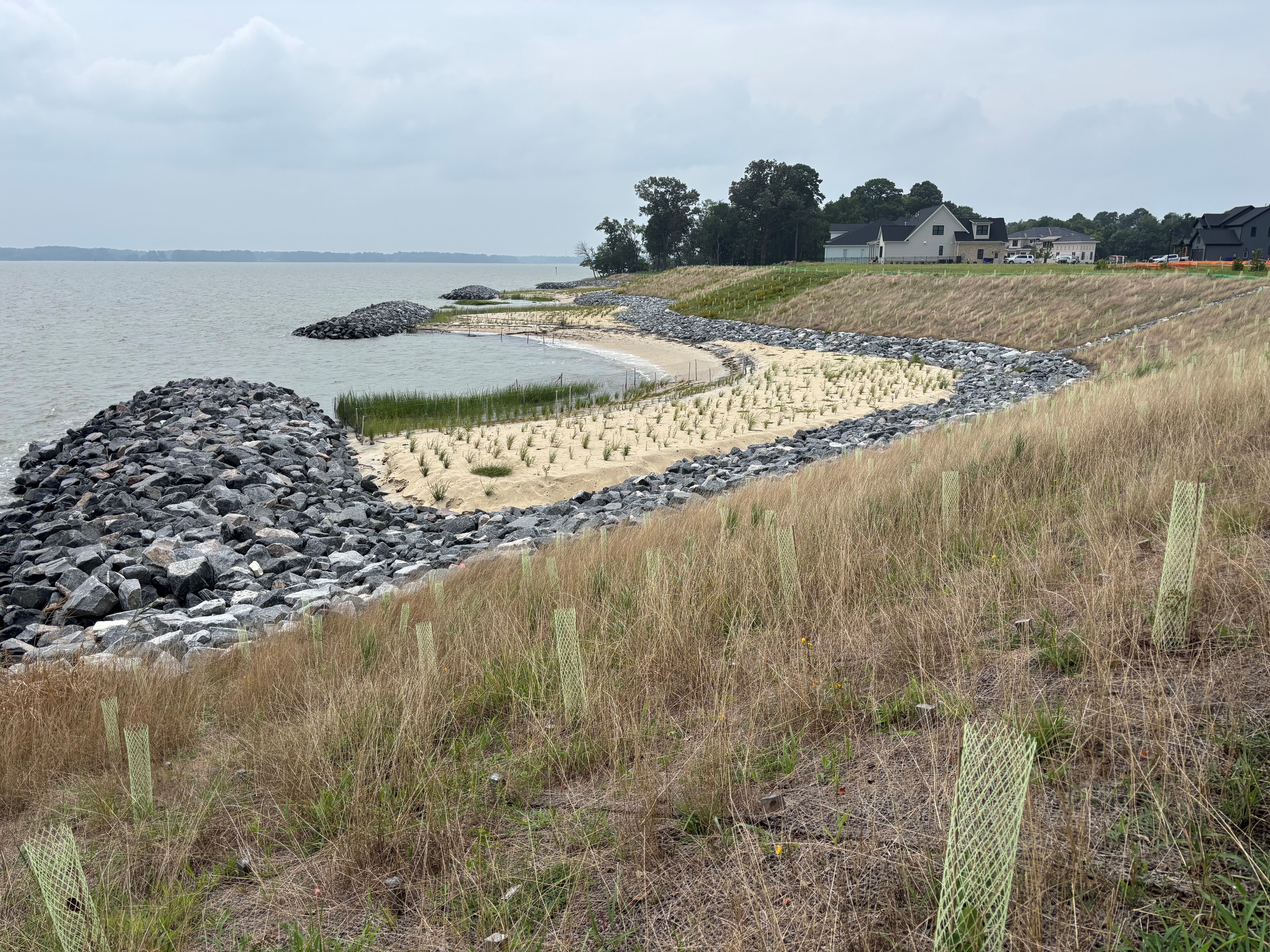
Ecologically Engineered Solutions: Mary called for a shift towards “ecologically engineered” projects that integrate green infrastructure, such as restored wetlands and multi-stage channels, to maximize water quality and habitat benefits. These solutions align environmental and community needs while addressing challenges like nutrient overload and flooding.
The Role of Private Entities: She underscored the necessity of private-sector involvement in land acquisition, funding, and project maintenance, especially as public agencies face resource constraints.
Education and Conservation: Mary emphasized the critical role of education in promoting water conservation and influencing community behavior. She advocated for integrating conservation efforts into every project, highlighting their cost-effectiveness and long-term impact.
Measurable Outcomes: She stressed the importance of setting quantifiable goals, such as nutrient load reductions and biodiversity enhancements, to ensure project success and accountability.
The throughline is simple: when water is managed as one resource and the right partners share the work, restoration stops being a cost and becomes infrastructure. RES brings the planning, funding models, and ecological engineering to make that shift real on the ground.
Planning a water project where supply, quality, and community all have to win? Speak with a RES Water Specialist in your state.