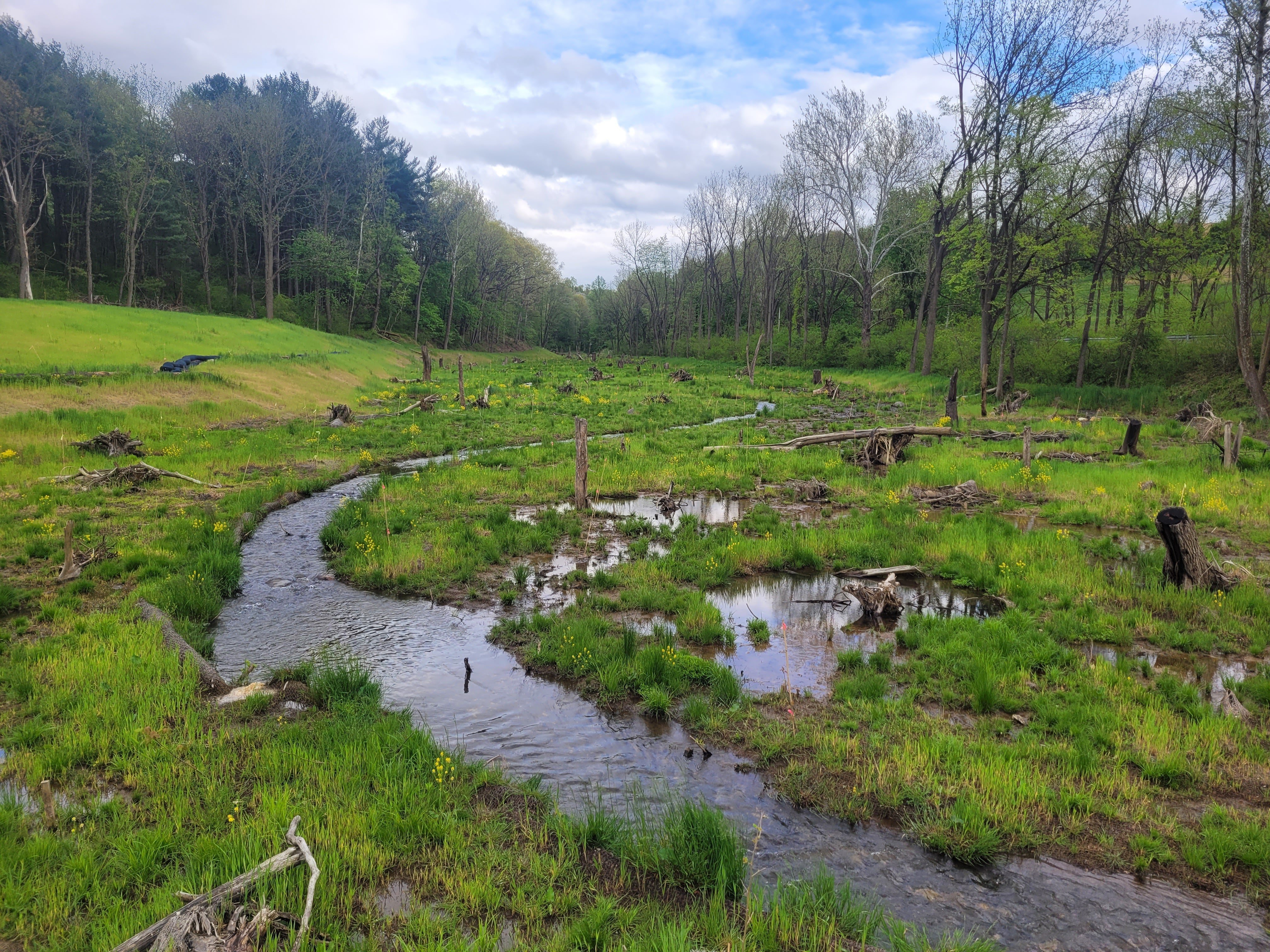
Dam removal as compensatory mitigation: How it works and what it takes
Dam removal can now generate stream mitigation credits. That is the short answer to a question more developers should be …
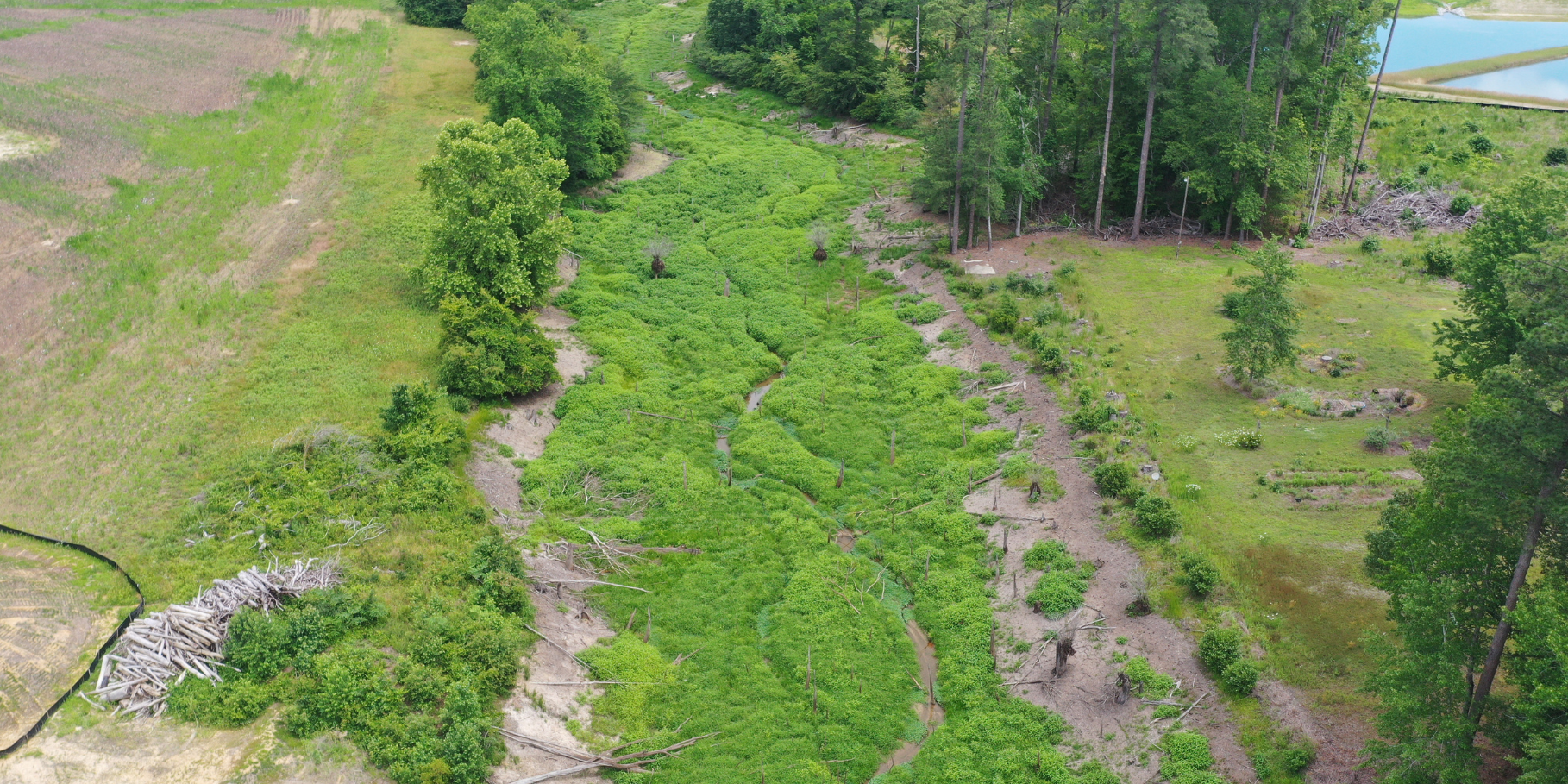
Why “Bare” Stream Restoration Sites Often Tell the Wrong Story
If you visit a stream restoration site shortly after construction, it can be hard to see the end result. That moment, wh …
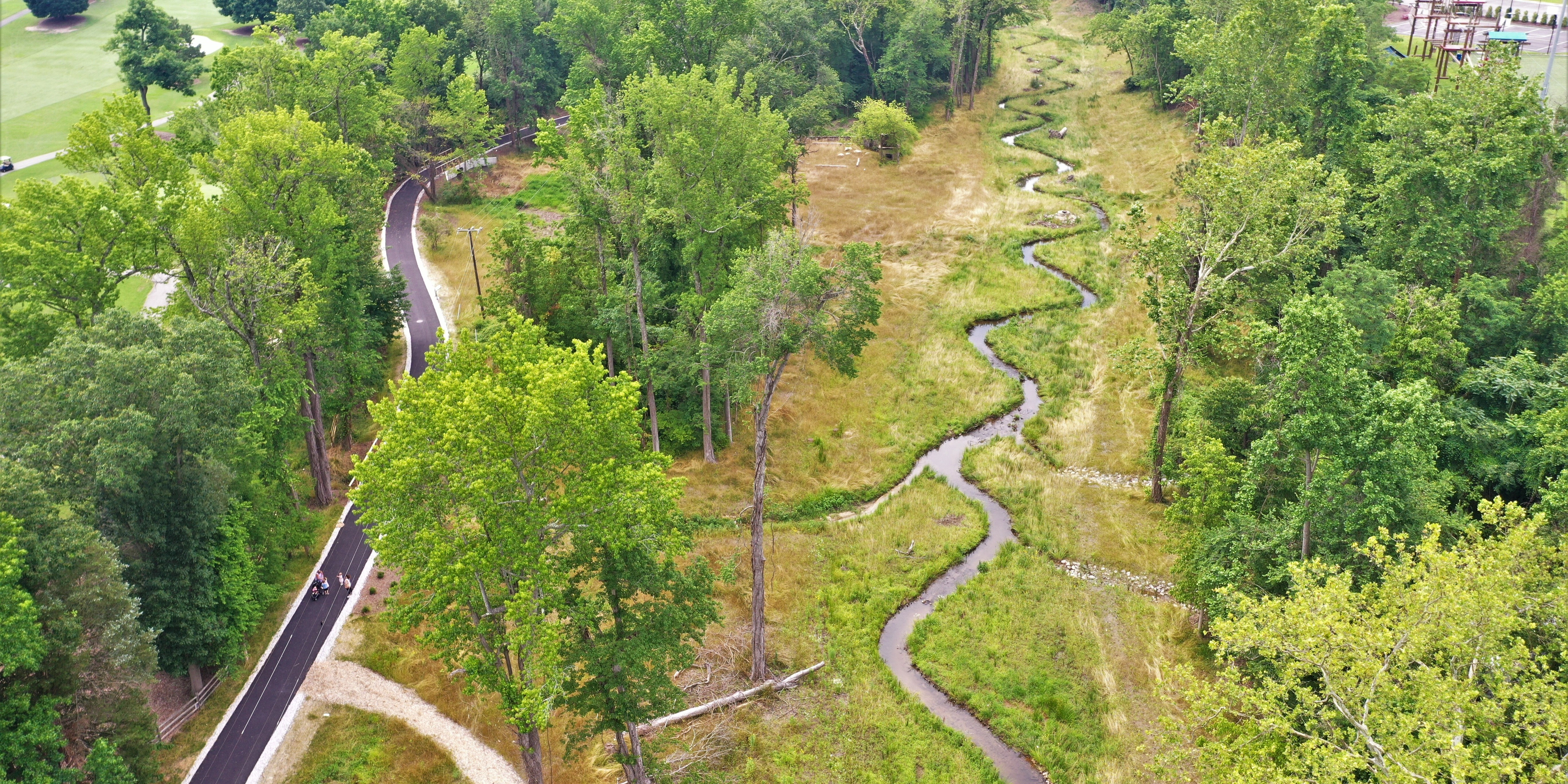
From degraded stream to pollinator habitat: Little Westham Creek
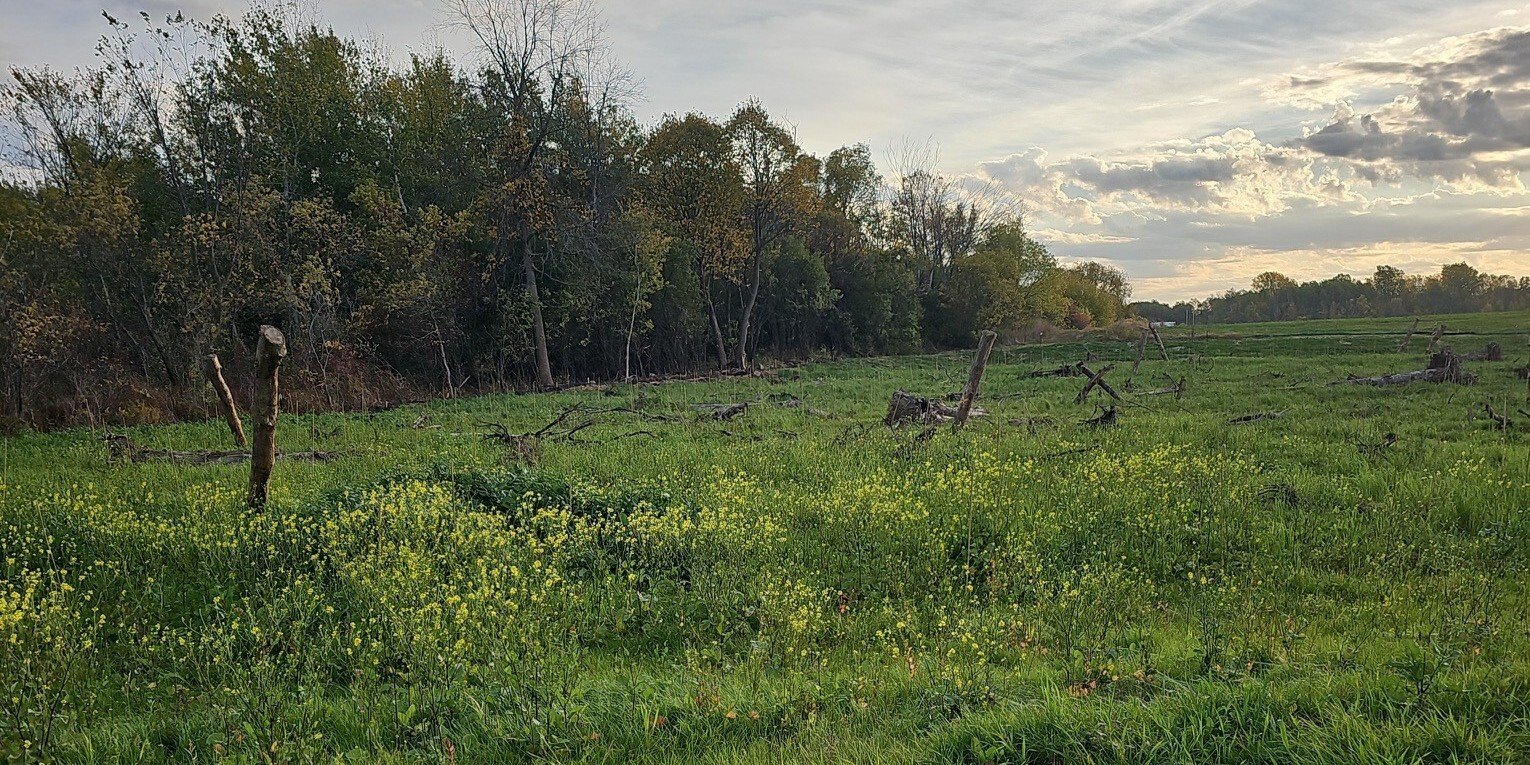
Stream restoration projects are often judged too early. Immediately after construction, sites can appear cleared and exp …

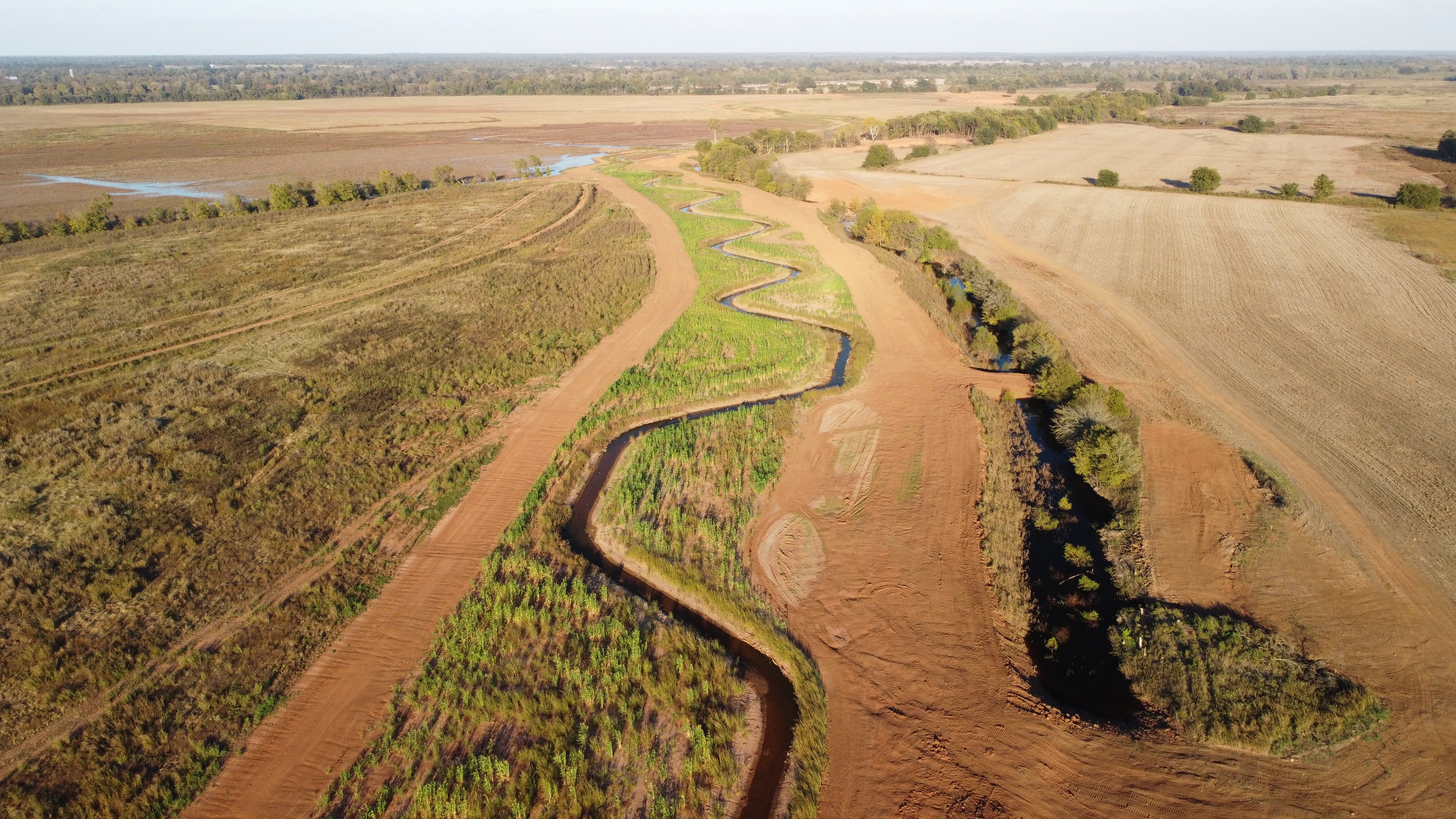
It’s all about the water: How restoring hydrology at Riverby Ranch brought a Texas landscape back to life Storymap
The largest Permittee-Responsible Mitigation project in the country is restoring approximately 17,000 acres in North Tex …
Why Nature-based Solutions are becoming essential for large-scale development
Nature-based Solutions are rapidly becoming essential for large-scale development. As projects grow in size, speed, and …
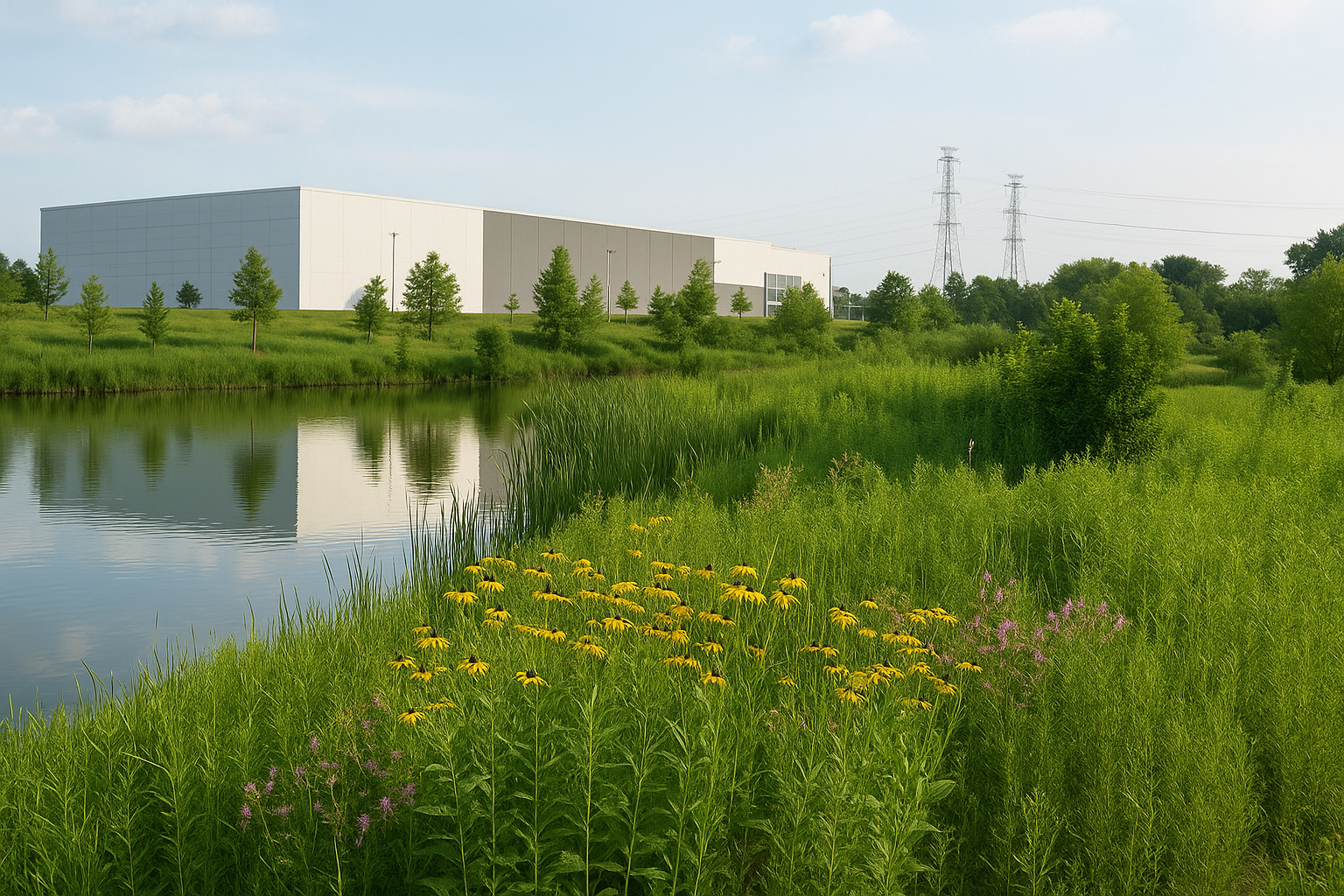
Three floodplain restoration projects highlight the power of collaboration under Pennsylvania’s clean water procurement framework
Follow the link to a Chesapeake Bay Program blog post, authored by Marisa Baldine, that covers three restoration project …
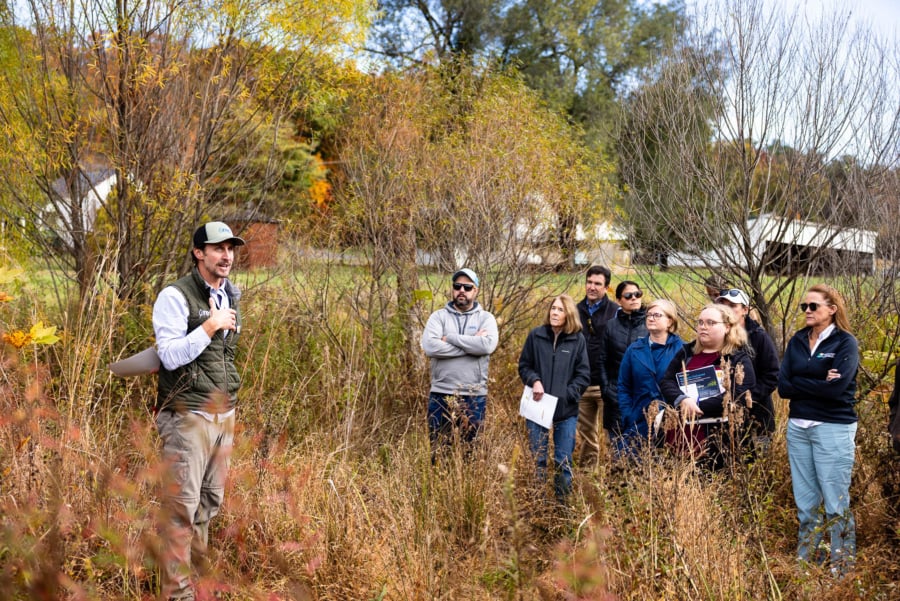
When wetland mitigation becomes a critical path solution
Wetland mitigation is a complex and highly regulated component of federal infrastructure delivery that must be carefully …
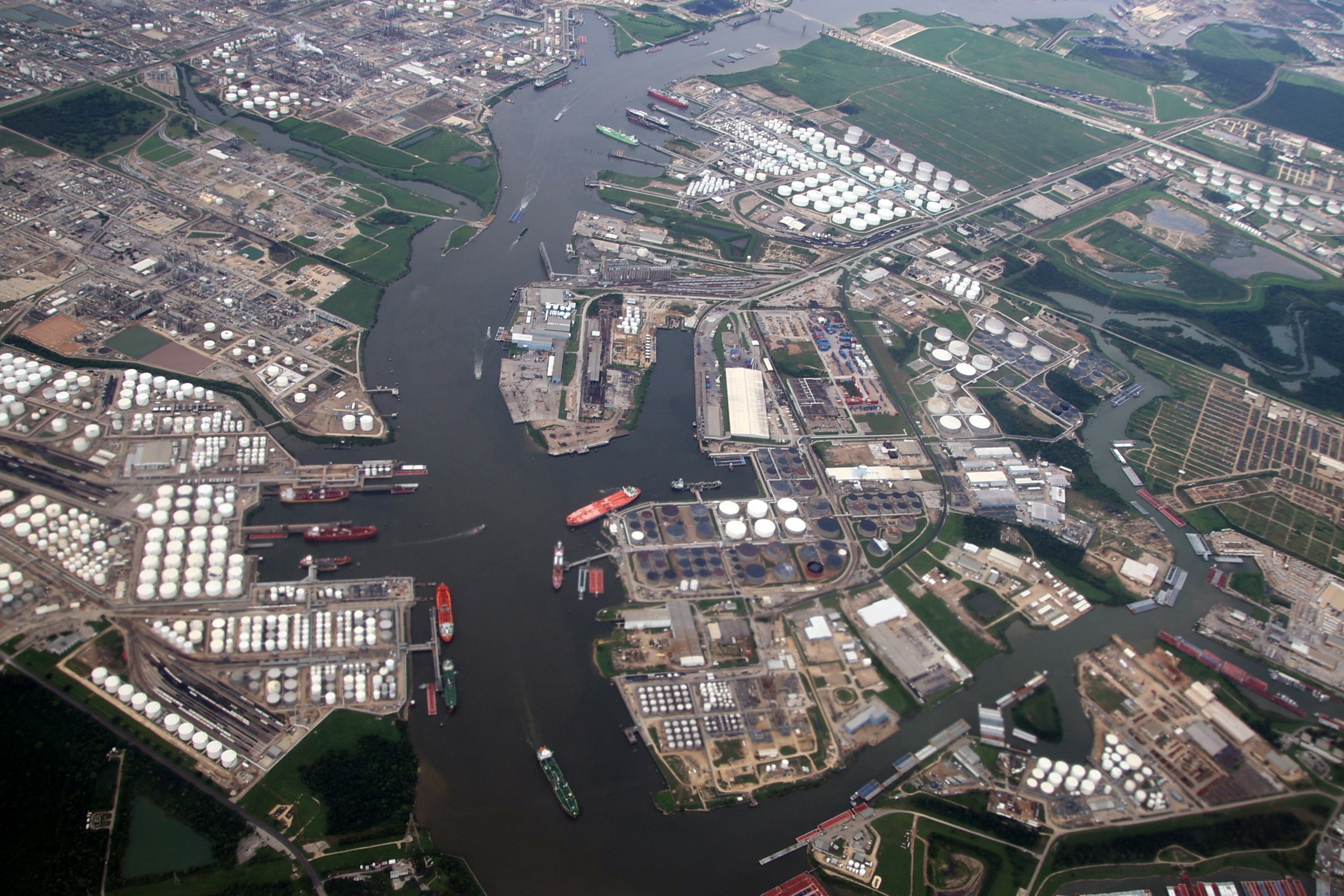
Turning sediment into sustainability: Using dredge material to restore landscapes
As maritime activity increases along the coasts, the accumulation of dredged sediment is rising, and traditional placeme …
Restore the stream, restore the valley StoryMap
What happens when restoring a stream means you are actually restoring an entire valley? The benefits extend far beyond t …