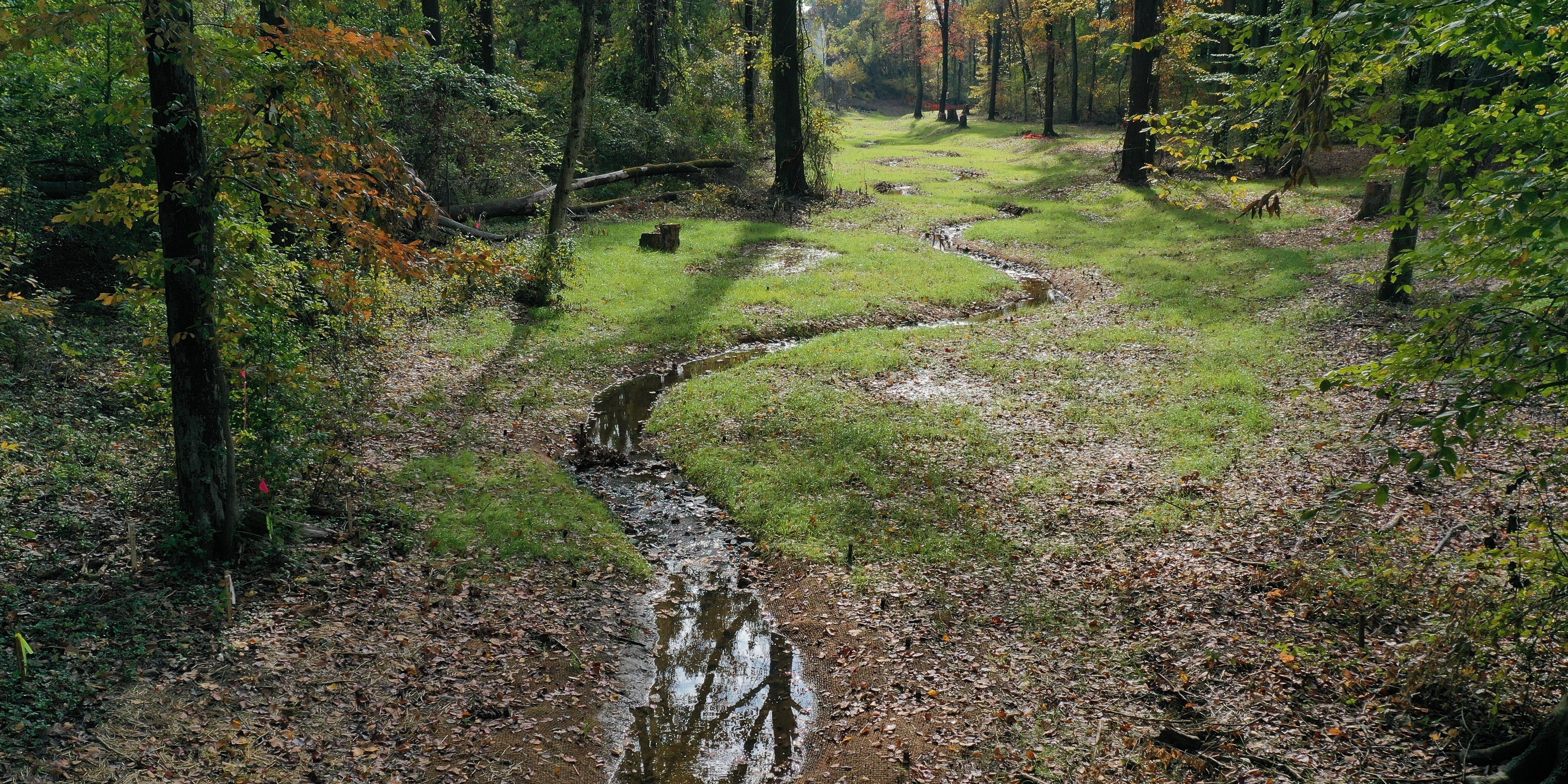
Finding the right stream restoration sites in an urban setting can be like repairing an old quilt. You can’t replace the whole thing. And you can’t cut out large sections with treasured, vintage patterns. You can only restore the integrity of the whole by rehabilitating a few clusters of squares with the most damage.

Phase I of the Paxton Creek restoration project threaded this needle of site selection, not only improving water quality and delivering required MS4 credits but also demonstrating that high-quality, ecologically meaningful projects can be accomplished in urban watersheds through the power of collaboration.
Working with PennDOT and the Paxton Creek Collaborative—which includes Capital Region Water, Lower Paxton Township, and Susquehanna Township—RES was able to obtain the rights to implement three separate stream restoration projects on both public and private land, strategically selecting the sites most likely to deliver lasting, successful outcomes.
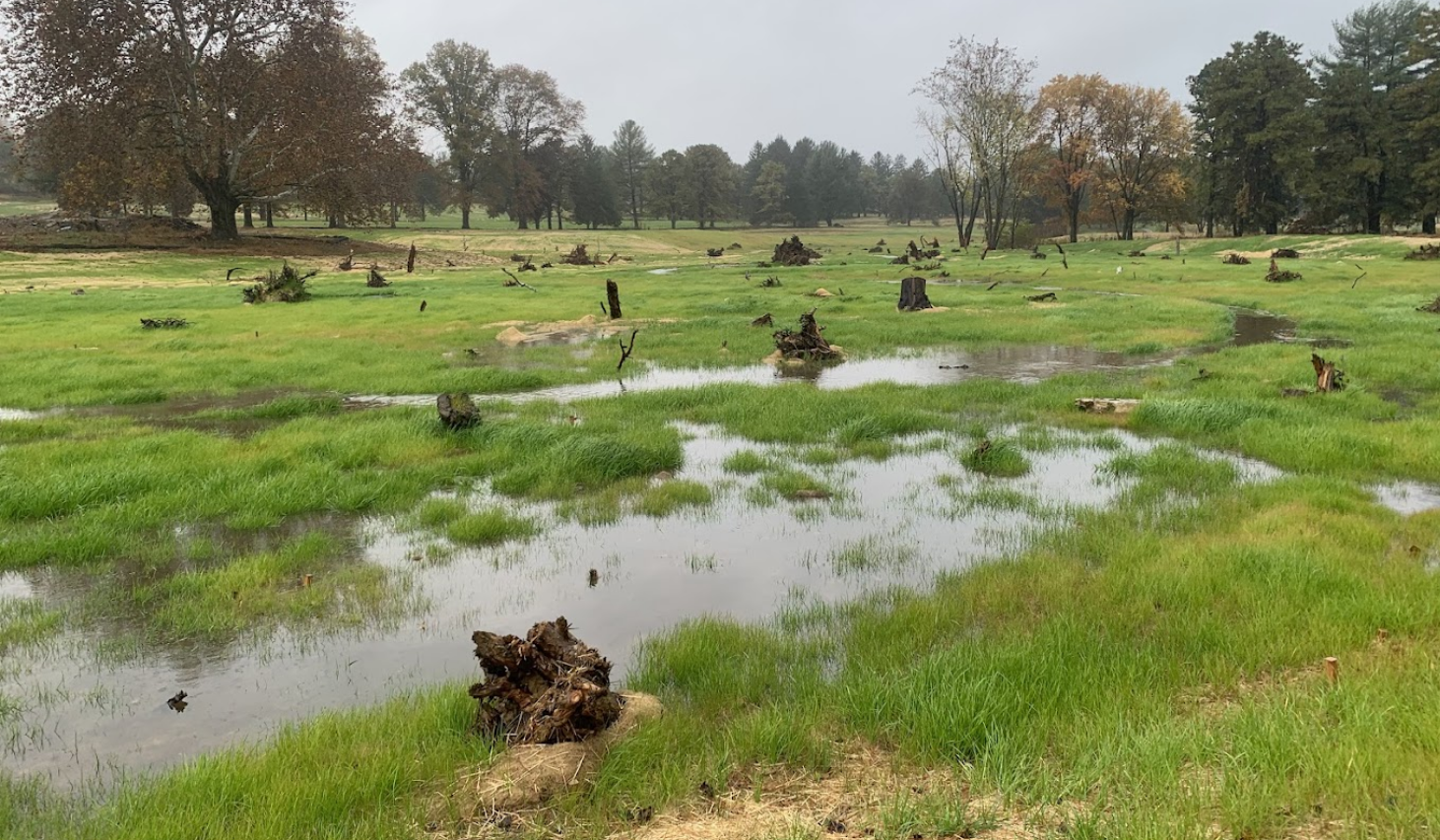
RES guaranteed the turnkey delivery of over 800,000 pounds of sediment reduction, derived from 5,400 linear feet of stream restoration and five acres of wetland restoration. The projects improve water quality and manage stormwater in the headwaters of the Paxton Creek watershed, which eventually drains into the Susquehanna River and the Chesapeake Bay.
Based on the success of Phase I, additional sites were added, enabling the Collaborative to achieve watershed-scale restoration benefits.
READ NEXT → Restore the stream, restore the valley: Three case studies of watershed-scale restoration in Pennsylvania
Learn more about the project and how this collaborative approach can serve as a model for improving water quality in a challenging urban setting.
Key Takeaways:
- Site selection is critical, and even more challenging in urban settings
- RES helped drive a site selection process including public and private land, working collaboratively with partners
Interested in improving water quality and reducing flooding in your area? Speak with a mitigation specialist on our team →



_2_1.jpg)