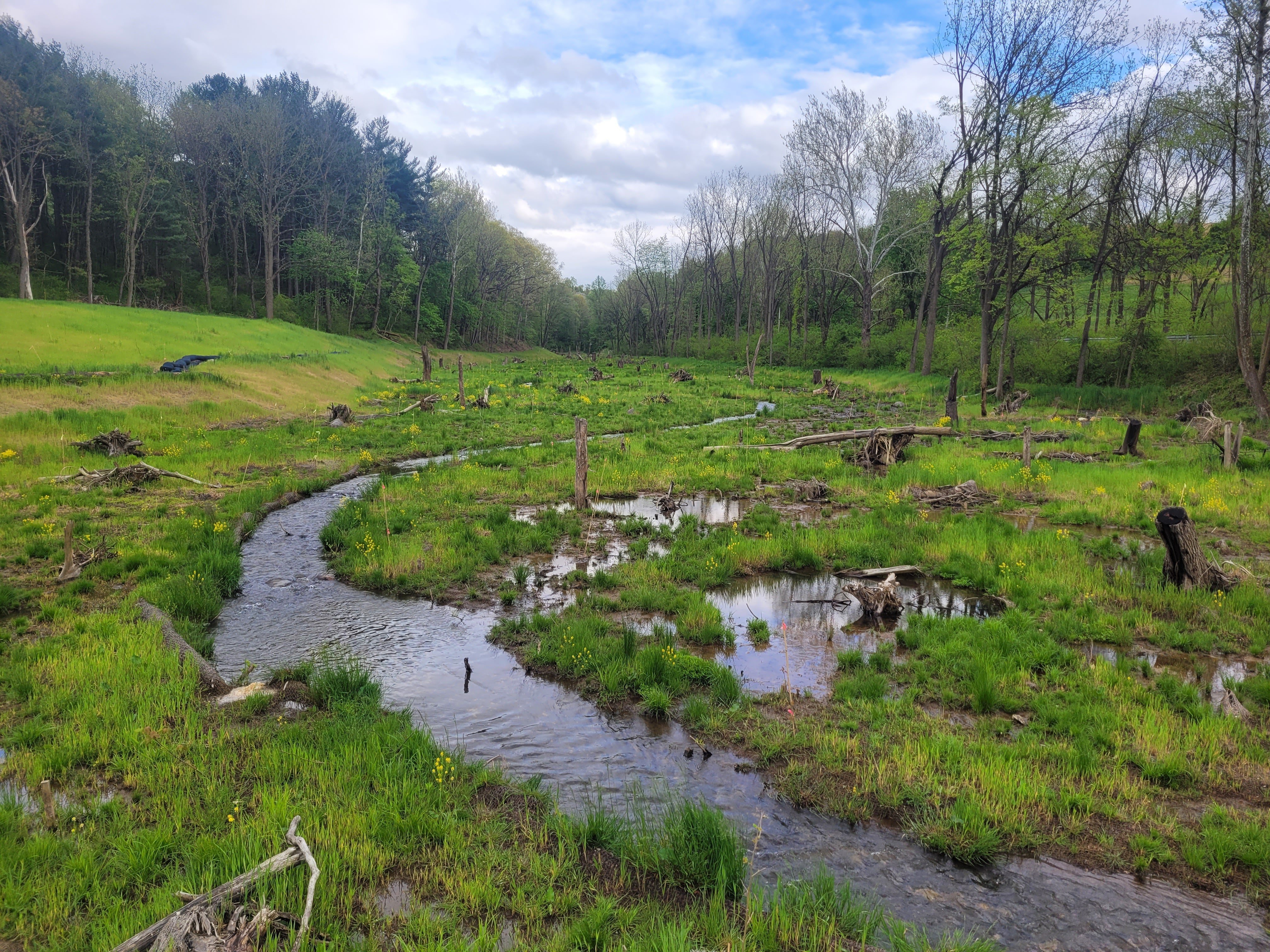
Assisted sediment evacuation at the Klamath River restoration
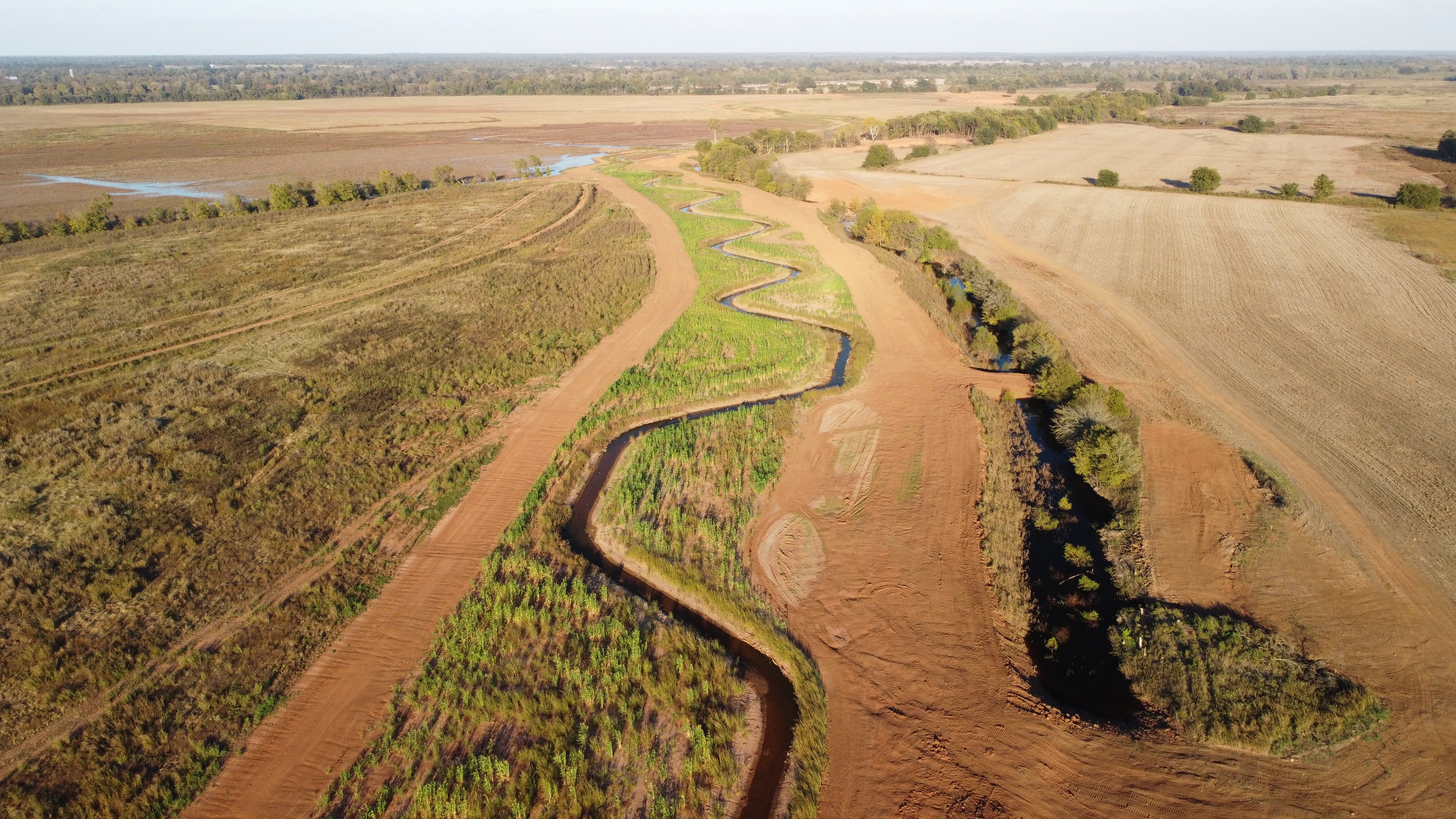
At Jenny Creek, the largest tributary to the Klamath River upstream of Iron Gate Dam, a groundbreaking restoration project is underway. This effort focuses on assisted sediment evacuation to address decades of sediment buildup caused by the reservoir established in the 1960s. Known as the Jenny Creek Delta, this area has accumulated vast amounts of sand, gravel, cobble, and boulders as the creek’s flow meets the reservoir footprint.
The project tackles three main objectives:
- Reestablishing the Creek’s Former Channel: Over time, Jenny Creek’s water has flowed over delta deposits rather than its original pre-reservoir channel. Rediscovering and restoring this channel is a crucial first step.
- Grading the Floodplain: The team is beginning to shape the landscape to promote a functional connection between the creek and its future floodplain, ensuring long-term stability.
- Recycling High-Quality Sediments: The sediment deposits in the delta are rich in sand, gravel, and cobble, materials vital to the aquatic health of the Klamath River. These sediments are being strategically relocated downstream to benefit the river and support future habitat restoration.
This innovative approach marks a major milestone as the first large-scale earth-moving effort in the restoration of tributaries within former reservoir footprints. If left untouched, the sediment-laden deltas would hinder the development of dynamic floodplain systems, leading to unstable streams with poor habitat conditions.
Unusually for restoration projects, this effort involves putting sediment into the river system rather than keeping it out. The timing aligns with the planned drawdown of three major reservoirs, designed to minimize downstream impacts while supporting the river’s natural sediment transport. Jenny Creek’s work has had no measurable effects on downstream water quality, thanks to the Klamath River’s substantial flow capacity, which far surpasses that of its tributaries.

- Video (47)
- Environmental Mitigation (46)
- Natural Resource Restoration (34)
- Landscape-scale Restoration (32)
- Species & Habitats (30)
- Article (27)
- Water Quality (23)
- Resiliency (19)
- Texas (17)
- California (15)
- Pennsylvania (15)
- Virginia (15)
- Technology & Innovation (12)
- Regulatory (11)
- Research (10)
- Water Quantity (10)
- Klamath (9)
- Oregon (9)
- Procurement (9)
- Louisiana (8)
- Storymap (7)
- Florida (6)
- Presentation (6)
- Case Studies (5)
- Jon Kasitz (5)
- Coastal Resiliency (4)
- Maryland (4)
- Bob Siegfried (3)
- Mary Szafraniec (3)
- Nature-based Solutions (3)
- North Carolina (3)
- Studies & Reports (3)
- Urban Renewal (3)
- Corporate Sustainability (2)
- Dam Removal (2)
- Dylan Keel (2)
- Ecological Site Solutions (2)
- Economic Development (2)
- Environmental Restoration (2)
- Flooding (2)
- Illinois (2)
- Indiana (2)
- Matt Stahman (2)
- Milwaukee (2)
- Podcast Audio (2)
- South Carolina (2)
- Tennessee (2)
- Webinar (2)
- Wisconsin (2)
- Alabama (1)
- Bailey Wilfong (1)
- Bois Darc (1)
- Brandon Hall (1)
- Caitlin Burke (1)
- Carpentersville Dam (1)
- Conservation Bank (1)
- Desmond Duke (1)
- Federal (1)
- Georgia (1)
- Justin Freedman (1)
- Kathy Hoverman (1)
- Large-scale Development (1)
- Larsen McBride (1)
- Michigan (1)
- Mine Reclamation (1)
- Mitigation credits (1)
- New York (1)
- Ohio (1)
- Patrick Daniels (1)
- Robin Bedenbaugh (1)
- Solar (1)
- Suburban Chicago (1)
- Tree Planting (1)
- Volumetric Water Benefits (1)
- Water Stewardship (1)
- Wesley Hayes (1)
- West Virginia (1)
- May 2026 (2)
- April 2026 (4)
- March 2026 (1)
- February 2026 (3)
- January 2026 (2)
- December 2025 (1)
- November 2025 (1)
- September 2025 (2)
- August 2025 (3)
- June 2025 (1)
- May 2025 (3)
- March 2025 (3)
- February 2025 (2)
- January 2025 (20)
- December 2024 (10)
- November 2024 (31)
- October 2024 (7)
- August 2024 (2)